

-
Understanding the Importance of BS10 Table D Flanges in Construction
Date:
23 May,2025
Understanding the Importance of BS10 Table D Flanges in Construction Table of Contents 1. Introduction to BS10 Table D Flanges 2. What Are BS10 Table D Flanges? 3. Applications of BS10 Table D Flanges in Construction 4. Advantages of Using BS10 Table D Flanges 5. Installation Best Practices for BS10 Table D Flanges 6. Maintenance and Inspection of BS10 Table D Flanges
Understanding the Importance of BS10 Table D Flanges in Construction
Table of Contents
- 1. Introduction to BS10 Table D Flanges
- 2. What Are BS10 Table D Flanges?
- 3. Applications of BS10 Table D Flanges in Construction
- 4. Advantages of Using BS10 Table D Flanges
- 5. Installation Best Practices for BS10 Table D Flanges
- 6. Maintenance and Inspection of BS10 Table D Flanges
- 7. Compliance and Standards for BS10 Table D Flanges
- 8. Common Issues and Solutions Related to BS10 Flanges
- 9. FAQs
- 10. Conclusion
1. Introduction to BS10 Table D Flanges
In the construction and engineering sectors, flanges serve as critical components that facilitate the connection of pipes, valves, pumps, and other equipment. Among the various flange types available, **BS10 Table D flanges** stand out due to their unique specifications and widespread applications. Understanding the significance of these flanges is essential for anyone involved in construction projects, as they directly impact the durability and safety of the infrastructure being built.
2. What Are BS10 Table D Flanges?
BS10 refers to a British Standard that outlines the dimensions, tolerances, and specifications for flanges used in piping systems. Specifically, **Table D flanges** are designed to accommodate various pressures and temperatures, making them suitable for a wide range of applications. These flanges are typically made from materials such as carbon steel, stainless steel, and cast iron, providing versatility in their use.
BS10 Table D flanges feature distinct characteristics, including:
- **Diameter**: The flange's size varies based on the diameter of the pipe it connects to.
- **Thickness**: The thickness of the flange is crucial for ensuring structural integrity and resistance to pressure.
- **Bolt Hole Pattern**: The arrangement of bolt holes allows for secure attachment to other components.
3. Applications of BS10 Table D Flanges in Construction
BS10 Table D flanges are employed in numerous applications throughout the construction industry, including:
3.1 Pipe Connections
Flanges are essential for connecting pipes, allowing for easy disassembly and maintenance. Their design accommodates various pipe sizes and pressures, making them ideal for industrial applications.
3.2 Equipment Mounting
In many installations, flanges are used to secure equipment such as pumps and valves. This ensures that the equipment remains stable during operation, reducing the risk of leaks and failures.
3.3 Structural Support
In some applications, flanges provide structural support for piping systems, distributing weight evenly and enhancing overall stability.
3.4 HVAC Systems
Flanges are commonly used in heating, ventilation, and air conditioning (HVAC) systems to connect ducts and ensure proper airflow.
4. Advantages of Using BS10 Table D Flanges
Incorporating BS10 Table D flanges into construction projects offers numerous advantages:
4.1 Enhanced Durability
The materials used in BS10 Table D flanges are selected for their strength and resistance to corrosion, ensuring longevity in various environments.
4.2 Easier Maintenance
Flanges allow for easy access to pipes and equipment, simplifying maintenance and repairs, which can save time and costs.
4.3 Versatility
These flanges can be used in diverse applications, from residential plumbing to industrial installations, making them a versatile choice for construction professionals.
4.4 Compliance with Standards
Using BS10 Table D flanges ensures compliance with industry standards, enhancing safety and reliability in construction projects.
5. Installation Best Practices for BS10 Table D Flanges
Proper installation of BS10 Table D flanges is crucial for ensuring their effectiveness. Here are some best practices to follow:
5.1 Preparation
Before installation, inspect the flanges and surfaces for any damage or debris. Clean both surfaces thoroughly to ensure a secure fit.
5.2 Aligning the Flanges
Align the flanges accurately during installation to avoid stress on the bolts and prevent leaks. Misalignment can lead to significant issues down the line.
5.3 Bolt Tightening
Follow a star pattern when tightening bolts to ensure even pressure distribution. This minimizes the risk of warping and guarantees a tight seal.
5.4 Use of Gaskets
Incorporating gaskets between flanges can enhance sealing and protect against leaks. Choose the appropriate gasket material based on the application.
6. Maintenance and Inspection of BS10 Table D Flanges
Regular maintenance and inspection of BS10 Table D flanges are vital for ensuring their continued performance. Consider the following:
6.1 Routine Checks
Conduct routine inspections to identify signs of wear, corrosion, or damage. Early detection can prevent costly repairs and downtime.
6.2 Cleaning
Keep flanges clean to prevent buildup that could affect performance. Use appropriate cleaning agents that do not damage the flange material.
6.3 Retightening Bolts
Periodic retightening of bolts may be necessary, especially after initial installation. This helps maintain a secure connection and prevents leaks.
7. Compliance and Standards for BS10 Table D Flanges
Compliance with industry standards is crucial for ensuring safety and reliability. BS10 Table D flanges adhere to specific regulations, which govern their design and use. Understanding these standards can help construction professionals make informed decisions:
7.1 BS Standards
Familiarize yourself with the relevant British Standards and regulations related to flanges, as non-compliance can lead to serious consequences.
7.2 Quality Assurance
Working with reputable suppliers who comply with these standards ensures that the materials used in construction are safe and reliable.
8. Common Issues and Solutions Related to BS10 Flanges
Despite their advantages, BS10 Table D flanges can encounter certain issues. Below are some common problems along with their solutions:
8.1 Leaking Joints
**Issue**: Leaks can occur due to improper installation or worn-out gaskets.
**Solution**: Inspect the installation for misalignment and replace gaskets as needed. Retighten bolts to ensure a secure seal.
8.2 Corrosion
**Issue**: Flanges made of steel can corrode over time, especially in harsh environments.
**Solution**: Regularly inspect flanges and apply protective coatings to minimize corrosion risks.
8.3 Cracked Flanges
**Issue**: Flanges can crack due to excessive pressure or impact.
**Solution**: Replace damaged flanges promptly to prevent further issues and ensure system integrity.
9. FAQs
9.1 What is the primary purpose of BS10 Table D flanges?
The primary purpose of BS10 Table D flanges is to connect pipes and equipment securely, allowing for easy disassembly and maintenance.
9.2 Are BS10 Table D flanges suitable for high-pressure applications?
Yes, BS10 Table D flanges are designed to accommodate various pressures, making them suitable for high-pressure applications.
9.3 How do I choose the right flange for my project?
Consider factors such as the material, pressure rating, and application type when selecting the appropriate flange.
9.4 Can I install BS10 Table D flanges myself?
While it is possible to install them yourself, proper training and knowledge of best practices are essential to ensure a secure and safe installation.
9.5 How often should I inspect my flanges?
Routine inspections should be conducted regularly, ideally every few months, to identify potential issues early.
10. Conclusion
BS10 Table D flanges are indispensable components in the construction industry, providing secure connections between pipes, valves, and equipment. Their durability, versatility, and compliance with industry standards make them a preferred choice for both residential and industrial applications. By understanding their importance and adhering to best practices in installation and maintenance, construction professionals can enhance the safety and reliability of their projects. Investing time in learning about BS10 Table D flanges will undoubtedly pay off in successful project outcomes and long-lasting infrastructure.Related News
04 Dec,2025
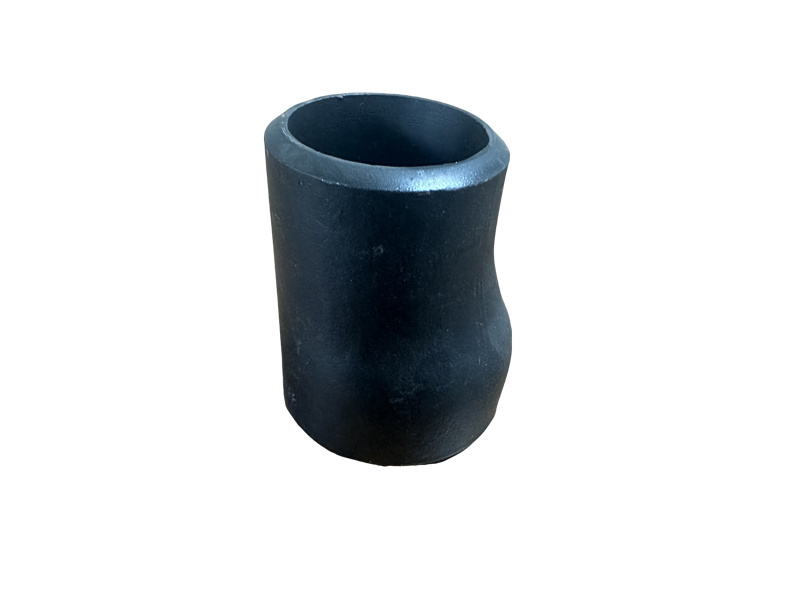
Understanding SS Concentric Reducers: A Critical Component in Pipe Fittings
In the realm of construction and decorative materials, particularly when it comes to pipe fittings, the SS concentric reducer stands out as a vital component. This type of fitting plays a crucial role in the efficient management of fluid flow in piping systems by facilitating the transition between pipes of different diameters. A concentric reducer is designed to connect two pipes with varying dia
02 Dec,2025
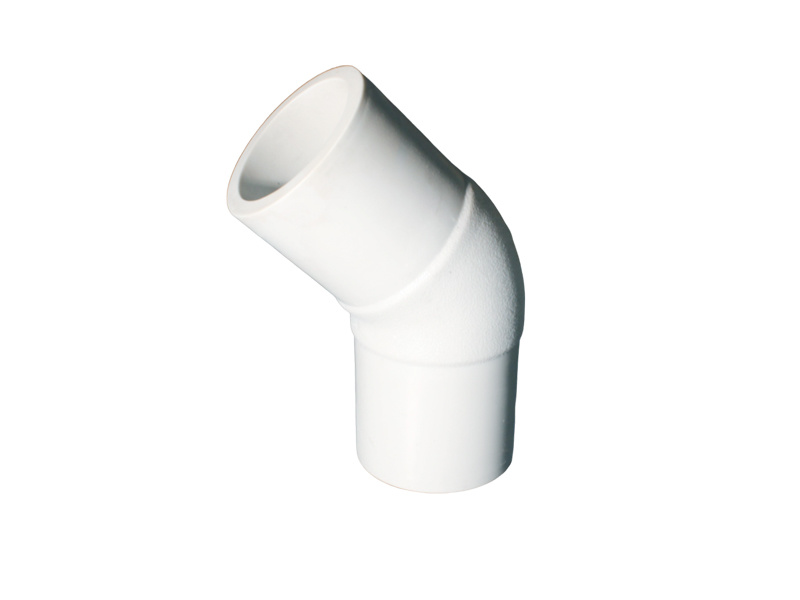
A Comprehensive Guide to Concentric Pipe Fittings: What You Need to Know
A Comprehensive Guide to Concentric Pipe Fittings: What You Need to Know Table of Contents Introduction to Concentric Pipe Fittings What Are Concentric Pipe Fittings? Types of Concentric Pipe Fittings Concentric Elbows Concentric Tees Concentric Reducers Applications of Concentric Pipe Fittings Choosing the Right Materials
30 Nov,2025
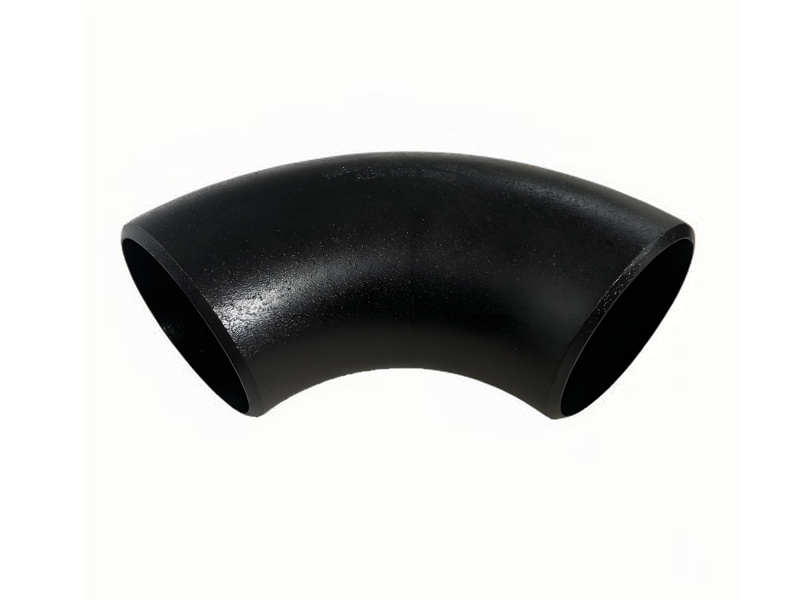
Understanding Forged Steel Elbows: Key Insights for Industry Professionals
Forged steel elbows are critical components in piping systems, particularly in construction and decorative applications where durability and reliability are paramount. These fittings are designed to change the direction of pipe runs, typically at angles of 45 or 90 degrees, effectively managing the flow of fluids or gases through the systems. The manufacturing process involves shaping steel under


Contact information
Address: North Ring Industrial Zone, Mengcun County
Telephone: 86 0317- 6729218 86 0317-6727320
Fax: 0317-6727310
mobile phone: 86 13833761688whatsapp: 86-13780271039
Email: shengyuanflange@163.comLeave Message