

-
How BS10 Table D Flanges Enhance Structural Integrity in Building Projects
Date:
25 May,2025
How BS10 Table D Flanges Enhance Structural Integrity in Building Projects Understanding BS10 Table D Flanges Flanges, specifically BS10 Table D flanges, play a crucial role in the construction and engineering sectors. These flanges are designed to connect various piping systems, ensuring structural integrity in various applications. The British Standard BS10 specifies the dimensions and tolerance
How BS10 Table D Flanges Enhance Structural Integrity in Building Projects
Understanding BS10 Table D Flanges
Flanges, specifically BS10 Table D flanges, play a crucial role in the construction and engineering sectors. These flanges are designed to connect various piping systems, ensuring structural integrity in various applications. The British Standard BS10 specifies the dimensions and tolerances for flanges, covering aspects such as thickness, diameter, and bolt holes.
Defining the Role of Flanges in Construction
Flanges serve as a connection point in piping systems, allowing for the secure joining of different components. Their design ensures that the connections can withstand pressure and stress, making them vital for maintaining the integrity of building structures. In the context of BS10 Table D, these flanges are engineered to meet specific industry standards, providing a reliable solution for construction needs.
The Importance of Structural Integrity in Building Projects
Structural integrity is the ability of a structure to withstand its intended loads without experiencing failure. This is critical in construction, as it affects safety, durability, and functionality. Utilizing the right components, such as BS10 Table D flanges, is essential for ensuring that buildings can endure various stresses over time.
Key Factors Affecting Structural Integrity
Several factors influence the structural integrity of a building, including:
- **Material Quality**: The strength and durability of materials used, including flanges, contribute significantly to overall integrity.
- **Design Principles**: Proper engineering design ensures that structures can effectively distribute loads and resist environmental forces.
- **Installation Procedures**: Correct installation of components, like flanges, is critical to maintain the integrity of the entire system.
Specifications of BS10 Table D Flanges
BS10 Table D flanges come with defined specifications that ensure consistent quality and performance. These flanges typically feature dimensions that accommodate various piping systems, with specific details on bolt hole patterns and thickness.
Dimensions and Tolerances
The dimensions of BS10 Table D flanges are standardized, covering aspects including:
- **Nominal Bore (NB)**: Indicating the internal diameter of the flange connection.
- **Bolt Pattern**: The arrangement of bolt holes, ensuring compatibility with bolts and the adjoining components.
- **Thickness**: Varies based on the size and pressure rating, impacting the flange's ability to withstand stress.
Material Composition
BS10 Table D flanges are often made from materials such as:
- **Carbon Steel**: Commonly used for its strength and affordability.
- **Stainless Steel**: Preferred in environments where corrosion resistance is paramount.
- **Ductile Iron**: Offers improved strength and durability for heavy-duty applications.
Advantages of Using BS10 Table D Flanges
Incorporating BS10 Table D flanges in building projects provides numerous advantages that enhance structural integrity.
Enhanced Durability and Strength
One of the primary benefits of BS10 Table D flanges is their durability. Engineered to withstand high pressure and temperature variations, these flanges offer superior strength, ensuring that connections remain intact under various operating conditions.
Standardization and Compatibility
The standardized design of BS10 Table D flanges promotes compatibility with a wide range of piping systems. This allows for seamless integration and reduces the risk of installation errors, ultimately improving structural reliability.
Cost-Effectiveness
Using BS10 Table D flanges can lead to cost savings in the long run. Their durability means fewer replacements and repairs, while their standardized dimensions simplify procurement and inventory management.
Applications of BS10 Table D Flanges in Construction
BS10 Table D flanges are versatile components widely used across various sectors of construction and engineering.
In Piping Systems
These flanges are commonly employed in connecting pipes in water supply, drainage, and industrial processes. Their ability to handle pressure makes them ideal for critical applications.
In Structural Frameworks
In construction, BS10 Table D flanges can be used to connect structural steel elements. This application is crucial in creating robust frames that can support significant loads.
In HVAC Systems
HVAC systems benefit from the use of BS10 Table D flanges, particularly in ductwork and piping connections. Their reliability helps maintain optimal airflow and efficiency in heating and cooling systems.
Installation Best Practices for BS10 Table D Flanges
Proper installation is essential to realize the full potential of BS10 Table D flanges. Adhering to best practices ensures that these components perform effectively and contribute to overall structural integrity.
Surface Preparation
Before installation, it is crucial to prepare the surfaces of both the flange and the connecting component. This involves cleaning to remove any debris, rust, or contaminants that may hinder a proper seal.
Using Appropriate Gaskets
Selecting the right gasket material is vital for ensuring a tight seal. The gasket should be compatible with the fluids being transported and the operating conditions (temperature and pressure).
Tightening Procedures
Follow a systematic approach to tightening bolts to ensure even distribution of pressure across the flange. This helps prevent leaks and maintains the integrity of the connection.
Common Issues and Solutions with BS10 Table D Flanges
While BS10 Table D flanges are designed for durability, various issues can arise during their use.
Leakage Problems
Leakage around the flange connection can occur due to improper installation or the use of incompatible gaskets. Regular inspection and maintenance can help identify and resolve these issues promptly.
Corrosion Concerns
In environments exposed to moisture or corrosive substances, flanges may suffer from corrosion. Choosing the right material, such as stainless steel, can mitigate this risk.
Fatigue and Wear Over Time
Repeated stress can lead to fatigue in flanges. Monitoring the performance of connections and replacing worn flanges proactively can enhance longevity.
Future Trends in Flange Technology
The construction industry continually evolves, with advancements in flange technology improving structural integrity.
Innovative Materials
The development of new materials with enhanced properties, such as lightweight composites and corrosion-resistant coatings, is set to revolutionize flange applications.
Smart Flange Solutions
Integrating IoT technology into flanges may allow for real-time monitoring of pressure and temperature, enabling proactive maintenance and improved safety.
Frequently Asked Questions (FAQs)
1. What are BS10 Table D flanges?
BS10 Table D flanges are standardized flanges defined by British Standards, used for connecting piping systems and ensuring structural integrity in construction.
2. What materials are commonly used for BS10 Table D flanges?
Common materials include carbon steel, stainless steel, and ductile iron, each chosen based on specific application requirements.
3. How do I ensure proper installation of BS10 Table D flanges?
Proper installation involves surface preparation, choosing the right gasket, and following a systematic bolt-tightening procedure.
4. What are the benefits of using BS10 Table D flanges in construction?
Benefits include enhanced durability, standardization and compatibility, and cost-effectiveness over time.
5. Can BS10 Table D flanges withstand high-pressure environments?
Yes, these flanges are designed to handle high pressure and temperature variations, making them suitable for critical applications.
Conclusion
In conclusion, BS10 Table D flanges are a fundamental component in ensuring structural integrity in building projects. Their standardized specifications, durability, and versatility make them an invaluable asset in various applications. By adhering to proper installation practices and keeping abreast of advancements in flange technology, construction professionals can significantly enhance the safety and reliability of their projects. Investing in quality flanges not only promotes structural integrity but also contributes to the long-term success of building initiatives.Related News
04 Dec,2025
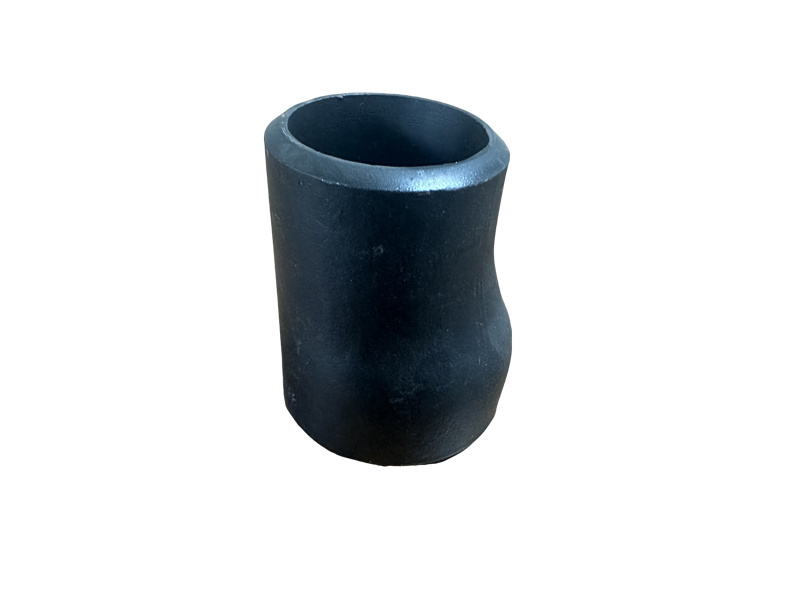
Understanding SS Concentric Reducers: A Critical Component in Pipe Fittings
In the realm of construction and decorative materials, particularly when it comes to pipe fittings, the SS concentric reducer stands out as a vital component. This type of fitting plays a crucial role in the efficient management of fluid flow in piping systems by facilitating the transition between pipes of different diameters. A concentric reducer is designed to connect two pipes with varying dia
02 Dec,2025
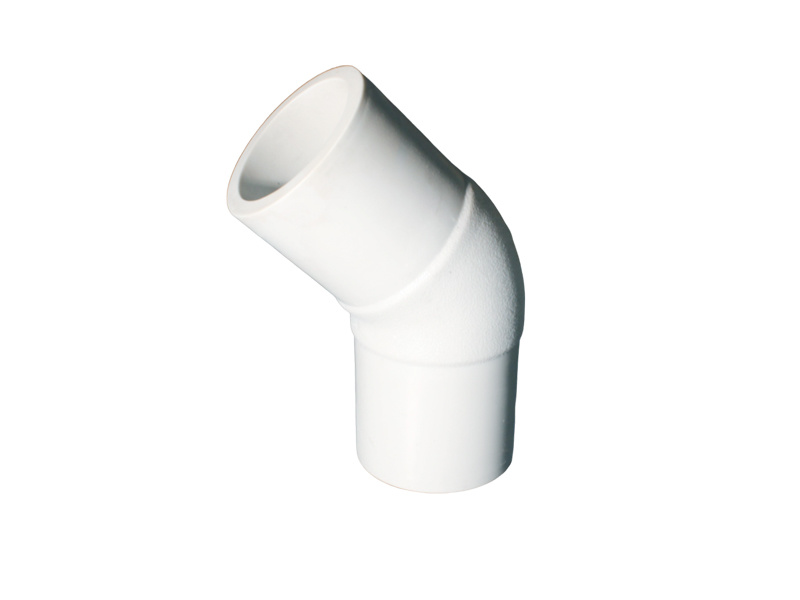
A Comprehensive Guide to Concentric Pipe Fittings: What You Need to Know
A Comprehensive Guide to Concentric Pipe Fittings: What You Need to Know Table of Contents Introduction to Concentric Pipe Fittings What Are Concentric Pipe Fittings? Types of Concentric Pipe Fittings Concentric Elbows Concentric Tees Concentric Reducers Applications of Concentric Pipe Fittings Choosing the Right Materials
30 Nov,2025
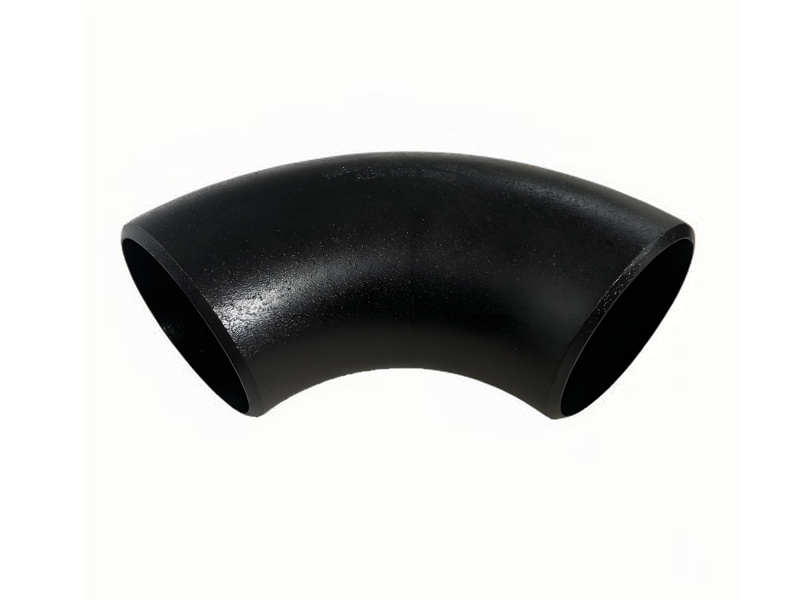
Understanding Forged Steel Elbows: Key Insights for Industry Professionals
Forged steel elbows are critical components in piping systems, particularly in construction and decorative applications where durability and reliability are paramount. These fittings are designed to change the direction of pipe runs, typically at angles of 45 or 90 degrees, effectively managing the flow of fluids or gases through the systems. The manufacturing process involves shaping steel under


Contact information
Address: North Ring Industrial Zone, Mengcun County
Telephone: 86 0317- 6729218 86 0317-6727320
Fax: 0317-6727310
mobile phone: 86 13833761688whatsapp: 86-13780271039
Email: shengyuanflange@163.comLeave Message