

-
Understanding GOST 12820-80 Plate Flanges: A Comprehensive Guide to Specifications, Applications, and Benefits
Date:
31 May,2025
Understanding GOST 12820-80 Plate Flanges: A Comprehensive Guide Table of Contents 1. Introduction to GOST 12820-80 Plate Flanges 2. What are GOST 12820-80 Flanges? 3. Specifications of GOST 12820-80 Plate Flanges 4. Types of GOST 12820-80 Plate Flanges 5. Materials Used in the Manufacturing of GOST 12820-80 Flanges 6. Applications of GOST 12820-80 Plate Flanges 7. Ins
Understanding GOST 12820-80 Plate Flanges: A Comprehensive Guide
Table of Contents
- 1. Introduction to GOST 12820-80 Plate Flanges
- 2. What are GOST 12820-80 Flanges?
- 3. Specifications of GOST 12820-80 Plate Flanges
- 4. Types of GOST 12820-80 Plate Flanges
- 5. Materials Used in the Manufacturing of GOST 12820-80 Flanges
- 6. Applications of GOST 12820-80 Plate Flanges
- 7. Installation and Maintenance Guidelines
- 8. Benefits of Using GOST 12820-80 Plate Flanges
- 9. Conclusion
- 10. Frequently Asked Questions
1. Introduction to GOST 12820-80 Plate Flanges
GOST 12820-80 plate flanges hold a significant position in the realm of construction and decorative materials, particularly in piping systems and structural applications. Established as part of Russian national standards, GOST (which stands for "Gosudarstvennyy Standart") emphasizes quality, safety, and consistency. This guide aims to provide a thorough understanding of GOST 12820-80 plate flanges, covering their specifications, types, materials, applications, and the advantages they offer in various industries.
2. What are GOST 12820-80 Flanges?
GOST 12820-80 flanges are standardized components designed to connect pipes, valves, pumps, and other equipment in a piping system. These flanges are characterized by their flat, circular plates with a raised or flat face that allows for secure connections when bolted together with corresponding flanges. The "80" in the standard refers to the year of establishment, signifying a long-standing regulation aimed at ensuring the reliability and effectiveness of flanges used in various industrial applications.
3. Specifications of GOST 12820-80 Plate Flanges
The specifications of GOST 12820-80 plate flanges include various dimensions, thicknesses, and pressure ratings that cater to different operational needs.
Dimensions and Thicknesses
GOST 12820-80 flanges come in a range of sizes, typically specified in millimeters. Common dimensions include diameters from 10 mm to 1500 mm, with corresponding thicknesses that vary based on the diameter and pressure rating of the flange.
Pressure Ratings
These flanges are available in several pressure ratings, often categorized into PN (Nominal Pressure) ratings such as PN 2.5, PN 6, PN 10, PN 16, and PN 25. The pressure rating indicates the maximum pressure that the flange can withstand during operation.
Face Types
GOST 12820-80 flanges are designed with different face types, including:
- **Flat Face (FF):** Commonly used for low-pressure applications.
- **Raised Face (RF):** Provides a better seal and is suitable for higher pressures.
- **Ring-Type Joint (RTJ):** Used in high-pressure and high-temperature applications.
4. Types of GOST 12820-80 Plate Flanges
Understanding the various types of GOST 12820-80 flanges is crucial for selecting the right components for specific applications. The main types include:
Weld Neck Flanges
Weld neck flanges are characterized by a long neck that allows for a smooth transition from the flange to the pipe. They are ideal for high-pressure applications and are welded directly to the piping system.
Slip-On Flanges
Slip-on flanges are designed to slip over the pipe, making installation simple. They are often used in low-pressure applications due to their lower strength compared to weld neck flanges.
Blind Flanges
Blind flanges are solid discs used to seal the end of a pipe. They are essential in applications where access to the pipe is not required.
Threaded Flanges
Threaded flanges are designed with internal threads that allow for easy installation without welding. They are suitable for lower pressure applications.
5. Materials Used in the Manufacturing of GOST 12820-80 Flanges
The materials used in the production of GOST 12820-80 plate flanges greatly influence their durability, strength, and resistance to corrosion. Common materials include:
Carbon Steel
Carbon steel flanges are widely used due to their excellent strength and cost-effectiveness. They are suitable for various applications, including water and gas pipelines.
Stainless Steel
Stainless steel flanges offer superior corrosion resistance, making them ideal for chemical and food processing industries. They are available in various grades, including 304 and 316.
Alloy Steel
Alloy steel flanges are designed for high-temperature and high-pressure applications. The addition of elements like chromium and molybdenum enhances their mechanical properties.
Plastic and Composite Materials
In specific low-pressure applications, plastic and composite materials provide lightweight and corrosion-resistant alternatives to traditional metals.
6. Applications of GOST 12820-80 Plate Flanges
GOST 12820-80 plate flanges find extensive applications across various industries due to their reliability and versatility. Key applications include:
Piping Systems
In piping systems, flanges serve as critical connectors between pipes and equipment, ensuring leak-proof joints that can withstand high pressure and temperature.
Oil and Gas Industry
In the oil and gas sector, GOST 12820-80 flanges are essential for creating secure connections in pipelines, valves, and other equipment, playing a crucial role in maintaining safety and efficiency.
Water Supply and Sewage Systems
Flanges are widely used in municipal water supply and sewage systems to connect pipes and facilitate the transport of water and waste materials.
Food and Beverage Industry
In food processing and beverage manufacturing, stainless steel GOST 12820-80 flanges are preferred for their hygienic properties and resistance to corrosion.
Pharmaceutical Applications
In the pharmaceutical industry, flanges are essential for maintaining sterile environments, ensuring that piping systems remain contamination-free.
7. Installation and Maintenance Guidelines
Proper installation and maintenance of GOST 12820-80 plate flanges are essential to ensure long-term performance and safety.
Installation Steps
1. **Preparation:** Ensure that the flange faces are clean and free of debris.
2. **Alignment:** Align the flanges carefully to avoid stress on the bolts.
3. **Bolting:** Use the correct number and size of bolts, tightening them evenly in a star pattern to achieve a proper seal.
4. **Testing:** Once installed, conduct pressure testing to check for leaks.
Maintenance Tips
- Regularly inspect flanges for signs of wear or corrosion.
- Replace any damaged gaskets or bolts immediately.
- Keep the flanges and surrounding areas clean to prevent contamination.
8. Benefits of Using GOST 12820-80 Plate Flanges
Choosing GOST 12820-80 plate flanges offers numerous advantages, making them a preferred choice for many industries.
Reliability
GOST 12820-80 flanges are designed to provide secure, leak-proof connections, ensuring the reliability of the entire piping system.
Standardization
Being based on national standards ensures consistency in quality and compatibility with other components, simplifying procurement and installation.
Versatility
With various types, sizes, and materials available, GOST 12820-80 flanges can be used in a wide range of applications, from low-pressure water systems to high-pressure oil and gas pipelines.
Cost-Effectiveness
The variety of materials and designs available ensures that there are options to fit any budget without compromising quality and safety.
9. Conclusion
Understanding GOST 12820-80 plate flanges is crucial for professionals involved in construction, engineering, and manufacturing. By recognizing their specifications, types, materials, and applications, stakeholders can make informed decisions that enhance the safety and efficiency of their systems. The benefits of using these standardized flanges speak to their reliability and versatility across multiple industries. As the demand for high-quality piping components continues to grow, GOST 12820-80 plate flanges will remain an essential element in ensuring the functionality and safety of modern infrastructure.
10. Frequently Asked Questions
1. What is the main purpose of GOST 12820-80 plate flanges?
The main purpose of GOST 12820-80 plate flanges is to connect pipes, valves, and pumps, ensuring secure and leak-proof joints in various piping systems.
2. What materials are commonly used for GOST 12820-80 flanges?
Common materials include carbon steel, stainless steel, alloy steel, and plastic or composite materials, each chosen based on specific application requirements.
3. How do I determine the right type of flange for my application?
The right type of flange depends on factors such as pressure rating, temperature, and the specific materials being transported through the piping system.
4. Are GOST 12820-80 flanges interchangeable with other flange standards?
While they can be compatible with certain other standards, it's essential to verify dimensions, pressure ratings, and materials to ensure a proper fit and seal.
5. What maintenance is required for GOST 12820-80 plate flanges?
Regular inspections for wear and corrosion, immediate replacement of damaged components, and keeping the flanges clean are critical for maintaining their performance.Related News
04 Dec,2025
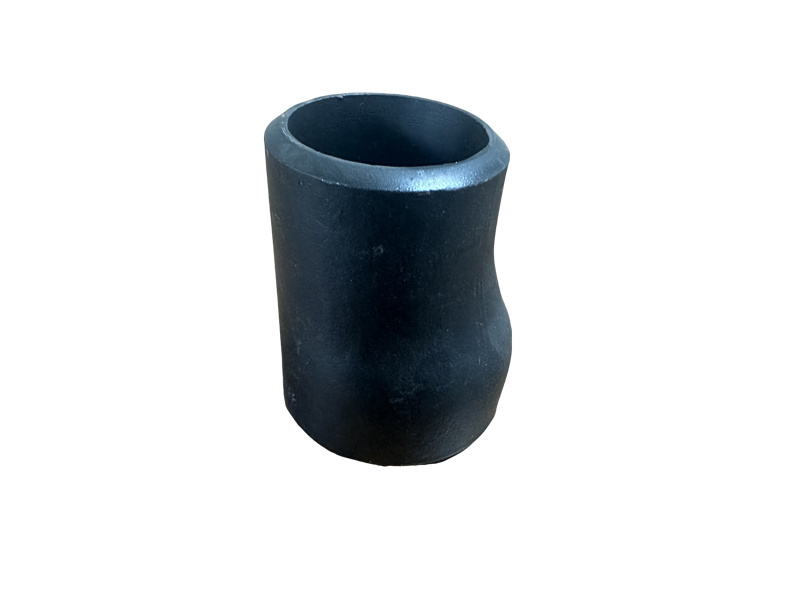
Understanding SS Concentric Reducers: A Critical Component in Pipe Fittings
In the realm of construction and decorative materials, particularly when it comes to pipe fittings, the SS concentric reducer stands out as a vital component. This type of fitting plays a crucial role in the efficient management of fluid flow in piping systems by facilitating the transition between pipes of different diameters. A concentric reducer is designed to connect two pipes with varying dia
02 Dec,2025
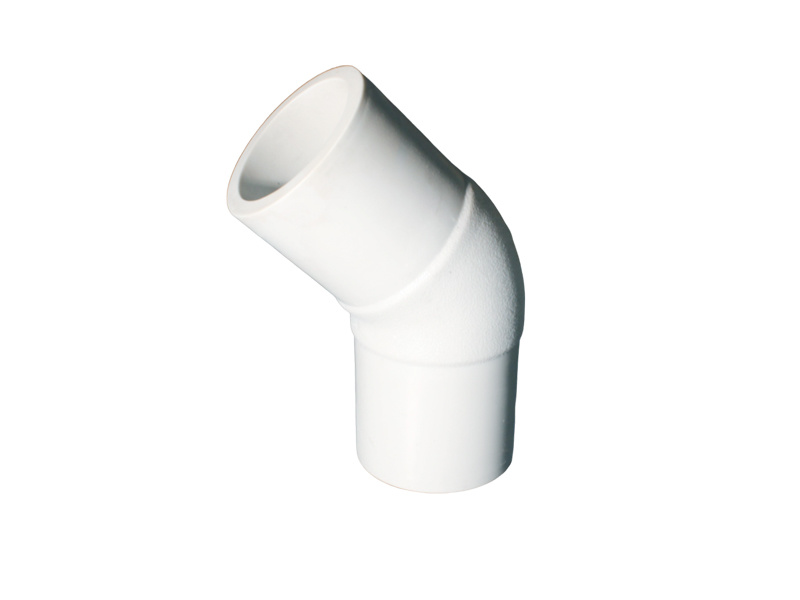
A Comprehensive Guide to Concentric Pipe Fittings: What You Need to Know
A Comprehensive Guide to Concentric Pipe Fittings: What You Need to Know Table of Contents Introduction to Concentric Pipe Fittings What Are Concentric Pipe Fittings? Types of Concentric Pipe Fittings Concentric Elbows Concentric Tees Concentric Reducers Applications of Concentric Pipe Fittings Choosing the Right Materials
30 Nov,2025
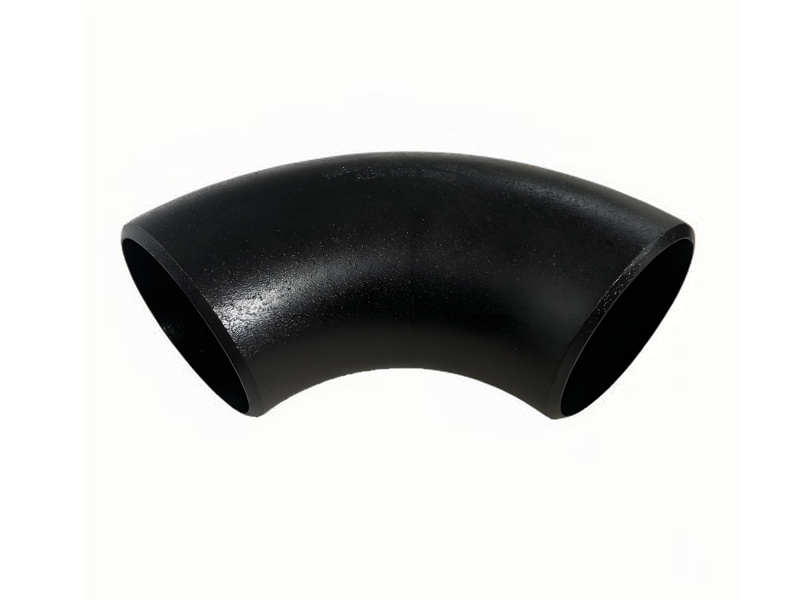
Understanding Forged Steel Elbows: Key Insights for Industry Professionals
Forged steel elbows are critical components in piping systems, particularly in construction and decorative applications where durability and reliability are paramount. These fittings are designed to change the direction of pipe runs, typically at angles of 45 or 90 degrees, effectively managing the flow of fluids or gases through the systems. The manufacturing process involves shaping steel under


Contact information
Address: North Ring Industrial Zone, Mengcun County
Telephone: 86 0317- 6729218 86 0317-6727320
Fax: 0317-6727310
mobile phone: 86 13833761688whatsapp: 86-13780271039
Email: shengyuanflange@163.comLeave Message