

-
Exploring the Benefits of GOST Slip-On Flanges in Modern Construction
Date:
16 Jun,2025
Exploring the Benefits of GOST Slip-On Flanges in Construction In the ever-evolving world of construction, the choice of materials and components plays a critical role in ensuring project success. Among the many options available, **GOST slip-on flanges** stand out as a preferred choice in piping systems. This article aims to explore the multifaceted benefits of GOST slip-on flanges, examining the
Exploring the Benefits of GOST Slip-On Flanges in Construction
In the ever-evolving world of construction, the choice of materials and components plays a critical role in ensuring project success. Among the many options available, **GOST slip-on flanges** stand out as a preferred choice in piping systems. This article aims to explore the multifaceted benefits of GOST slip-on flanges, examining their design, functionality, and applications in modern construction.
Table of Contents
1. What Are GOST Slip-On Flanges?
2. Key Benefits of GOST Slip-On Flanges
2.1 Cost-Effectiveness of GOST Slip-On Flanges
2.2 Simplified Installation Process
2.3 Enhanced Durability and Reliability
2.4 Versatility in Applications
3. GOST Standards and Their Importance
4. GOST Slip-On Flanges vs. Other Flange Types
5. Installation Best Practices for GOST Slip-On Flanges
6. Common Applications of GOST Slip-On Flanges
7. Frequently Asked Questions (FAQs)
8. Conclusion
1. What Are GOST Slip-On Flanges?
GOST slip-on flanges are a type of flange used to connect pipes, valves, pumps, and other equipment in a piping system. They are designed to fit over the pipe, allowing a smooth transition and ensuring a secure connection. Manufactured in accordance with the GOST standards, these flanges are widely recognized for their reliability and performance in various industrial applications.
2. Key Benefits of GOST Slip-On Flanges
2.1 Cost-Effectiveness of GOST Slip-On Flanges
One of the primary advantages of GOST slip-on flanges is their cost-effectiveness. Compared to other flange types, slip-on flanges are typically less expensive due to their simpler design and manufacturing process. This cost efficiency makes them an attractive option for construction projects that prioritize budget management without compromising quality.
2.2 Simplified Installation Process
The installation process for GOST slip-on flanges is straightforward, significantly reducing labor time and associated costs. Because they slide over the pipe, they require less precision during alignment compared to other flange types. This ease of installation can lead to quicker project completion times, allowing for faster overall project execution.
2.3 Enhanced Durability and Reliability
GOST slip-on flanges are known for their robust construction, contributing to their durability and long lifespan. Made from high-quality materials, they can withstand varying pressures and temperatures, making them suitable for a wide range of applications. Their reliability minimizes the risk of leaks and failures, enhancing the overall safety of the piping system.
2.4 Versatility in Applications
These flanges are versatile and can be utilized in various industries, including oil and gas, chemical processing, water supply, and construction. Their adaptability to different environments and ease of integration into existing systems make them a popular choice among engineers and contractors alike.
3. GOST Standards and Their Importance
The GOST (Gosudarstvennyy Standart) standards are a set of regulations established in Russia that govern the quality and performance of materials and products used in construction and other industries. GOST slip-on flanges are manufactured to meet these rigorous standards, ensuring that they perform reliably in demanding conditions. Adhering to GOST standards not only guarantees quality but also fosters trust among stakeholders in construction projects.
4. GOST Slip-On Flanges vs. Other Flange Types
When comparing GOST slip-on flanges to other types, such as threaded or weld neck flanges, several distinctions arise. Slip-on flanges are generally easier and quicker to install, while weld neck flanges provide a stronger connection for high-pressure applications. However, slip-on flanges offer a balance of performance and cost, making them suitable for many standard applications.
5. Installation Best Practices for GOST Slip-On Flanges
To maximize the benefits of GOST slip-on flanges, following best practices during installation is crucial. Here are some key points to consider:
1. **Preparation**: Ensure the pipe ends are clean and free from debris before fitting the flange.
2. **Alignment**: Properly align the flange with the pipe to avoid stress on the joint during tightening.
3. **Torque Specifications**: Use the manufacturer’s recommended torque specifications to secure bolts evenly, preventing distortion or damage to the flange.
4. **Sealant Usage**: Depending on the application, consider using an appropriate sealant to enhance leak prevention.
5. **Regular Inspection**: Conduct periodic inspections to check for signs of wear or leakage, ensuring the longevity of the connection.
6. Common Applications of GOST Slip-On Flanges
GOST slip-on flanges find applications across diverse industries. Some common uses include:
- **Pipelines**: Used extensively in oil and gas pipelines for connecting various segments.
- **Water Supply Systems**: Ideal for municipal water supply and distribution systems due to their reliability.
- **Chemical Processing**: Employed in chemical plants for transporting fluids safely and efficiently.
- **HVAC Systems**: Utilized in heating, ventilation, and air conditioning systems for effective fluid transfer.
7. Frequently Asked Questions (FAQs)
**Q1: What materials are GOST slip-on flanges made from?**
A1: GOST slip-on flanges are commonly made from materials such as carbon steel, stainless steel, and alloy steel, depending on the application requirements.
**Q2: How do I choose the right size of GOST slip-on flange?**
A2: Selecting the appropriate size involves considering the pipe diameter and the specific requirements of the piping system, including pressure ratings.
**Q3: Are GOST slip-on flanges suitable for high-pressure applications?**
A3: While GOST slip-on flanges can handle moderate pressures, for high-pressure applications, other flange types like weld neck flanges may be more appropriate.
**Q4: Can GOST slip-on flanges be reused?**
A4: Yes, they can be reused if they are in good condition and have not been subjected to extreme wear or damage.
**Q5: What is the difference between GOST and ANSI flanges?**
A5: GOST flanges follow Russian standards, while ANSI flanges are based on American standards. The two have different design specifications, pressure ratings, and intended applications.
8. Conclusion
In summary, **GOST slip-on flanges** offer numerous benefits that contribute to their popularity in the construction sector. Their cost-effectiveness, ease of installation, durability, and versatility make them an ideal choice for various applications. By adhering to GOST standards, these flanges ensure reliability and safety in piping systems, making them an essential component in modern construction projects. Embracing GOST slip-on flanges can lead to enhanced efficiency and project success, reaffirming their role as a cornerstone in the construction industry.Related News
04 Dec,2025
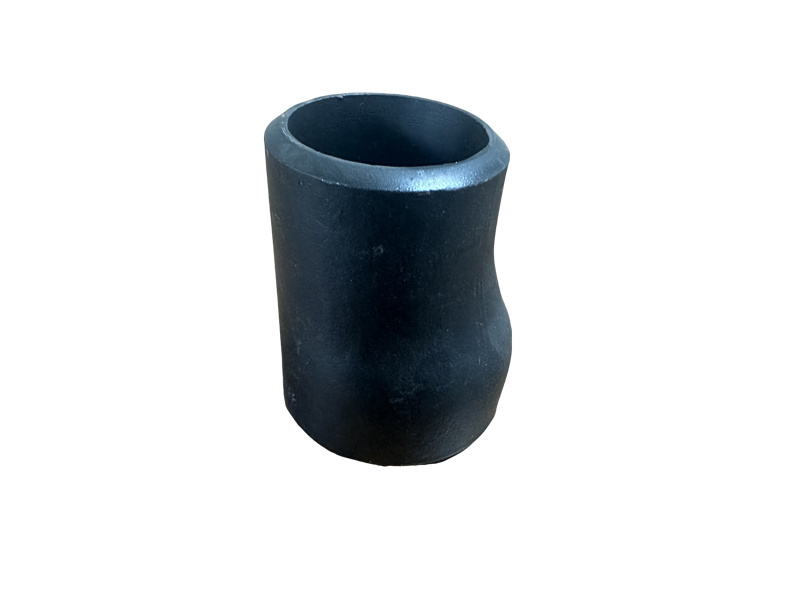
Understanding SS Concentric Reducers: A Critical Component in Pipe Fittings
In the realm of construction and decorative materials, particularly when it comes to pipe fittings, the SS concentric reducer stands out as a vital component. This type of fitting plays a crucial role in the efficient management of fluid flow in piping systems by facilitating the transition between pipes of different diameters. A concentric reducer is designed to connect two pipes with varying dia
02 Dec,2025
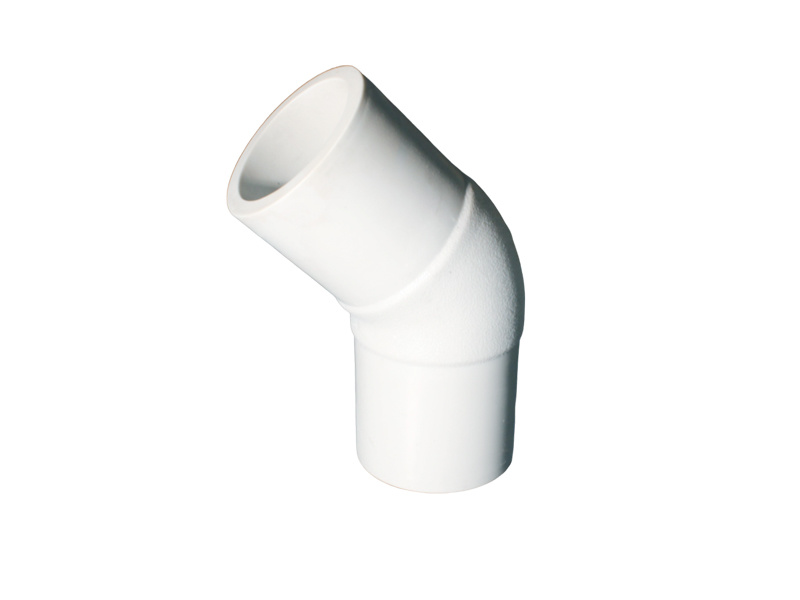
A Comprehensive Guide to Concentric Pipe Fittings: What You Need to Know
A Comprehensive Guide to Concentric Pipe Fittings: What You Need to Know Table of Contents Introduction to Concentric Pipe Fittings What Are Concentric Pipe Fittings? Types of Concentric Pipe Fittings Concentric Elbows Concentric Tees Concentric Reducers Applications of Concentric Pipe Fittings Choosing the Right Materials
30 Nov,2025
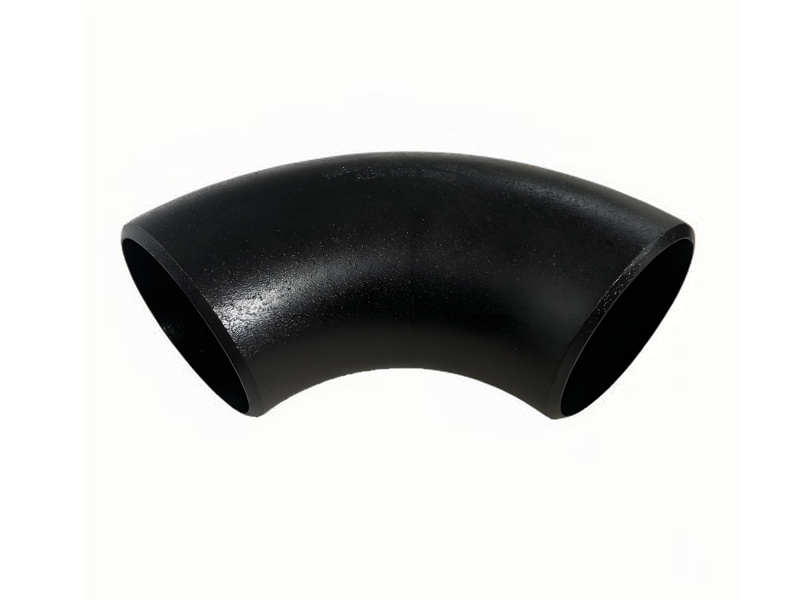
Understanding Forged Steel Elbows: Key Insights for Industry Professionals
Forged steel elbows are critical components in piping systems, particularly in construction and decorative applications where durability and reliability are paramount. These fittings are designed to change the direction of pipe runs, typically at angles of 45 or 90 degrees, effectively managing the flow of fluids or gases through the systems. The manufacturing process involves shaping steel under


Contact information
Address: North Ring Industrial Zone, Mengcun County
Telephone: 86 0317- 6729218 86 0317-6727320
Fax: 0317-6727310
mobile phone: 86 13833761688whatsapp: 86-13780271039
Email: shengyuanflange@163.comLeave Message