

-
Common Mistakes to Avoid When Installing Concentric Reducer Fittings: Ensure a Seamless Transition in Your Piping System
Date:
24 Jun,2025
Common Mistakes to Avoid When Installing Concentric Reducer Fittings Table of Contents 1. Understanding Concentric Reducer Fittings 2. Importance of Proper Installation Techniques 3. Common Mistakes to Avoid 3.1 Ignoring Proper Measurements 3.2 Failing to Use Appropriate Tools 3.3 Neglecting Surface Preparation 3.4 Over-tightening Connections 3.5 Skipping Quality Checks 4. Best Practices for Insta
Common Mistakes to Avoid When Installing Concentric Reducer Fittings
Table of Contents
1. Understanding Concentric Reducer Fittings
2. Importance of Proper Installation Techniques
3. Common Mistakes to Avoid
3.1 Ignoring Proper Measurements
3.2 Failing to Use Appropriate Tools
3.3 Neglecting Surface Preparation
3.4 Over-tightening Connections
3.5 Skipping Quality Checks
4. Best Practices for Installing Concentric Reducer Fittings
4.1 Step-by-Step Installation Guide
4.2 Maintaining System Integrity
5. Frequently Asked Questions (FAQs)
6. Conclusion
1. Understanding Concentric Reducer Fittings
Concentric reducer fittings play a crucial role in piping systems, facilitating a smooth transition between different pipe diameters. These fittings are designed to connect pipes of varying sizes while maintaining a uniform flow path. This design minimizes turbulence and pressure loss, making concentric reducers essential in various applications, from plumbing to industrial processes. Understanding their structure and purpose is the first step toward ensuring a successful installation.
2. Importance of Proper Installation Techniques
Installing concentric reducer fittings correctly is vital for the longevity and efficiency of a piping system. Poor installation can lead to leaks, pressure drops, and even catastrophic failures. By avoiding common mistakes during the installation process, we can ensure that the system operates effectively, reducing maintenance costs and enhancing overall performance.
3. Common Mistakes to Avoid
3.1 Ignoring Proper Measurements
One of the most frequent mistakes made during the installation of concentric reducer fittings is neglecting accurate measurements. **Installing fittings that do not match the pipe sizes** can lead to significant issues, including leaks and alterations in flow dynamics. Always measure the diameter of the pipes and the fittings accurately before proceeding with installation. Utilizing tools like calipers or measuring tapes can help ensure precision.
3.2 Failing to Use Appropriate Tools
Using the wrong tools for installation can result in improper fittings and compromised integrity. **Ensure that you use tools specifically designed for the job**, such as pipe wrenches and fitting connectors. Using makeshift tools can lead to damage of the fittings or pipes, creating future complications.
3.3 Neglecting Surface Preparation
Surface preparation is often overlooked but is essential for a secure connection. **Dirt, rust, and other contaminants** on the surface of the pipes or fittings can prevent a proper seal, leading to leaks. Before installation, clean the surfaces thoroughly using a suitable solvent or cleaning agent. A smooth, clean surface allows for a better fit and a more reliable installation.
3.4 Over-tightening Connections
While it’s important to ensure that fittings are snug and secure, over-tightening can lead to deformation of the fittings or damage to the pipes. **This mistake can create stress points that may lead to failure over time**. Follow the manufacturer’s guidelines for torque settings and use a torque wrench to ensure that connections are tightened appropriately without excess force.
3.5 Skipping Quality Checks
After installation, many tend to overlook the importance of quality checks. Failing to inspect connections can lead to undetected leaks, which might only become evident after significant damage has occurred. **Make it a habit to conduct thorough inspections** of each fitting and its connection to the pipe. Look for signs of leaks and ensure that the flow is consistent with expected outcomes.
4. Best Practices for Installing Concentric Reducer Fittings
To ensure a successful installation of concentric reducer fittings, adopting best practices is essential. Here are some effective strategies:
4.1 Step-by-Step Installation Guide
1. **Gather Necessary Tools and Materials**: Ensure you have all the required tools and concentric reducer fittings on hand before beginning the installation process.
2. **Measure and Cut Pipe**: Carefully measure the length needed for each section of the pipe and cut it accurately. Ensure the edges are smooth to avoid damaging the fittings.
3. **Clean Surfaces**: Use a cleaning agent to prepare the surfaces of the pipes and fittings for installation. Remove any dirt, grease, or rust.
4. **Align Fittings and Pipes**: Carefully align the concentric reducer with the pipes. Ensure that it is positioned correctly to facilitate an efficient flow.
5. **Secure Connections**: Using the appropriate tools, tighten the connections gradually. Follow manufacturer guidelines to avoid over-tightening.
6. **Conduct Quality Checks**: After installation, inspect all connections for signs of leaks and ensure that the flow is unobstructed.
4.2 Maintaining System Integrity
Maintaining the integrity of your piping system goes beyond installation. Regular inspections and maintenance are essential to ensure that concentric reducers and other fittings continue to function properly. **Create a maintenance schedule** that includes routine checks for wear and tear, leaks, and system performance. Address any issues as soon as they arise to prevent larger complications in the future.
5. Frequently Asked Questions (FAQs)
What is a concentric reducer fitting?
A concentric reducer fitting is a type of plumbing fitting used to connect two pipes of different diameters, allowing for a smooth transition in flow.
Why is accurate measurement important for concentric reducer fittings?
Accurate measurement ensures that the fittings will properly connect to the pipes without leaks or pressure loss. Incorrect measurements can lead to significant installation issues.
What tools are recommended for installing concentric reducers?
Recommended tools include pipe wrenches, torque wrenches, measuring tapes, and cleaning agents for surface preparation.
How can I prevent leaks after installation?
Thoroughly clean all surfaces before installation, ensure that fittings are properly aligned and secured, and conduct quality checks after installation.
What maintenance is required for piping systems with concentric reducers?
Regular inspections for leaks, wear and tear, and overall system performance are essential. A scheduled maintenance plan can help identify and address issues promptly.
6. Conclusion
In conclusion, avoiding common mistakes when installing concentric reducer fittings is critical for the efficiency and longevity of your piping systems. By ensuring accurate measurements, using the appropriate tools, and adhering to best practices for surface preparation and connection techniques, we can mitigate the risk of leaks and system failures. Regular maintenance and quality checks are also essential to maintain the integrity of the system over time. By following the guidelines outlined in this article, you can achieve a seamless transition in your piping installation, ultimately enhancing performance and reliability.Related News
04 Dec,2025
Understanding SS Concentric Reducers: A Critical Component in Pipe Fittings
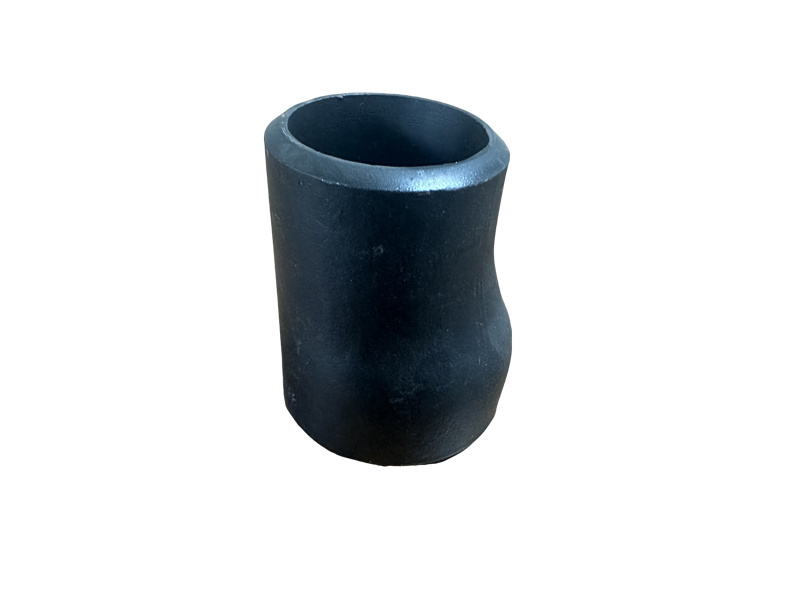
In the realm of construction and decorative materials, particularly when it comes to pipe fittings, the SS concentric reducer stands out as a vital component. This type of fitting plays a crucial role in the efficient management of fluid flow in piping systems by facilitating the transition between pipes of different diameters. A concentric reducer is designed to connect two pipes with varying dia
02 Dec,2025
A Comprehensive Guide to Concentric Pipe Fittings: What You Need to Know
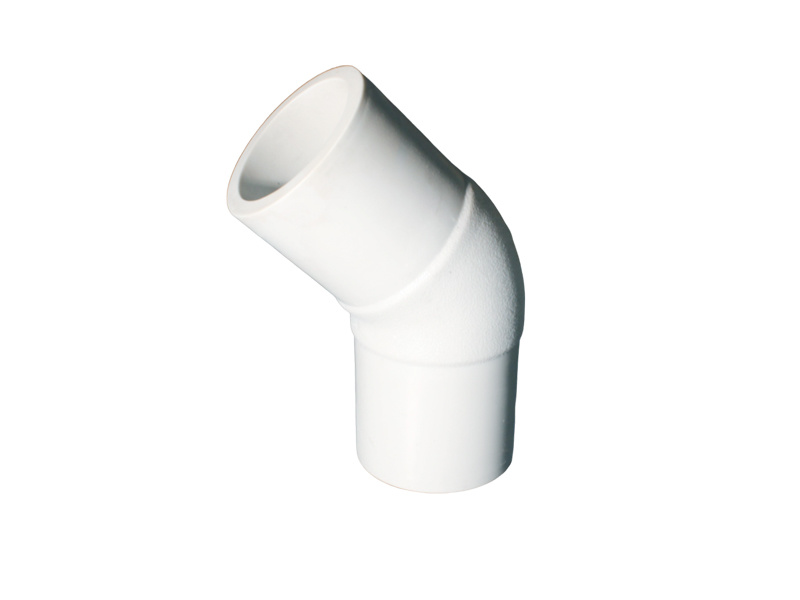
A Comprehensive Guide to Concentric Pipe Fittings: What You Need to Know Table of Contents Introduction to Concentric Pipe Fittings What Are Concentric Pipe Fittings? Types of Concentric Pipe Fittings Concentric Elbows Concentric Tees Concentric Reducers Applications of Concentric Pipe Fittings Choosing the Right Materials
30 Nov,2025
Understanding Forged Steel Elbows: Key Insights for Industry Professionals
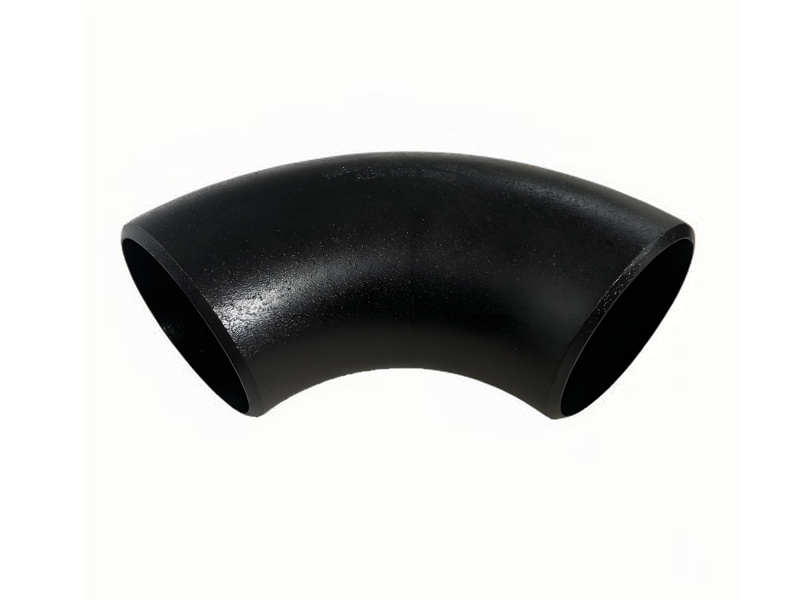
Forged steel elbows are critical components in piping systems, particularly in construction and decorative applications where durability and reliability are paramount. These fittings are designed to change the direction of pipe runs, typically at angles of 45 or 90 degrees, effectively managing the flow of fluids or gases through the systems. The manufacturing process involves shaping steel under


Contact information
Address: North Ring Industrial Zone, Mengcun County
Telephone: 86 0317- 6729218 86 0317-6727320
Fax: 0317-6727310
mobile phone: 86 13833761688whatsapp: 86-13780271039
Email: shengyuanflange@163.comLeave Message