

-
Understanding DIN Weld Neck Flange PN40: Essential Insights for Construction and Decoration Professionals
Date:
01 Jul,2025
DIN weld neck flanges are integral fittings used in various piping applications, particularly within the construction and decoration sectors. The "DIN" prefix refers to the German Institute for Standardization, which establishes guidelines for manufacturing and testing these flanges. A "weld neck" design enhances the strength and support of the piping system, making it ideal for high-pressure envi
DIN weld neck flanges are integral fittings used in various piping applications, particularly within the construction and decoration sectors. The "DIN" prefix refers to the German Institute for Standardization, which establishes guidelines for manufacturing and testing these flanges. A "weld neck" design enhances the strength and support of the piping system, making it ideal for high-pressure environments.
The PN40 designation indicates that the flange is rated for a maximum operating pressure of 40 bar (approximately 580 psi) at a specified temperature. This high-pressure rating is crucial in applications where robust and reliable connections are needed. Understanding the PN40 rating is essential for professionals who must ensure that their systems can handle the required pressures without risk of failure.
One key advantage of using DIN weld neck flanges is their ability to provide a smooth transition from the flange to the pipe. This design minimizes turbulence and enhances flow efficiency, making it suitable for various applications, from water supply systems to chemical processing. Additionally, the weld neck design allows for greater flexibility in alignment during installation, ensuring a secure connection that can withstand thermal expansion and contraction.
When selecting a DIN weld neck flange PN40, it is important to consider the material, which typically includes stainless steel, carbon steel, or alloy steel. Each material offers specific benefits in terms of corrosion resistance, strength, and temperature tolerance. For instance, stainless steel flanges are preferred in corrosive environments, while carbon steel is often used for general applications.
Installation of DIN weld neck flanges requires careful attention to detail, as improper alignment or welding can lead to leaks and system failures. It is advisable to follow industry best practices, including thorough cleaning of surfaces and using appropriate welding techniques. Additionally, proper torque specifications should be adhered to for bolts to ensure a secure and leak-free connection.
In conclusion, DIN weld neck flanges PN40 are essential components in piping systems that demand high pressure and reliability. Their robust design, efficient flow characteristics, and adaptability make them a preferred choice for construction and decorative materials professionals. By understanding their specifications and best installation practices, industry professionals can ensure the long-term performance and integrity of their piping systems.Related News
04 Dec,2025
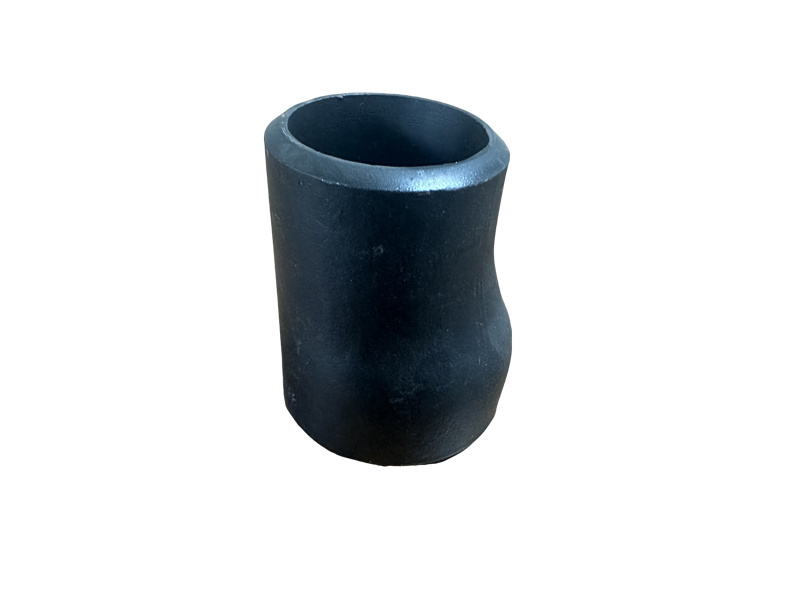
Understanding SS Concentric Reducers: A Critical Component in Pipe Fittings
In the realm of construction and decorative materials, particularly when it comes to pipe fittings, the SS concentric reducer stands out as a vital component. This type of fitting plays a crucial role in the efficient management of fluid flow in piping systems by facilitating the transition between pipes of different diameters. A concentric reducer is designed to connect two pipes with varying dia
02 Dec,2025
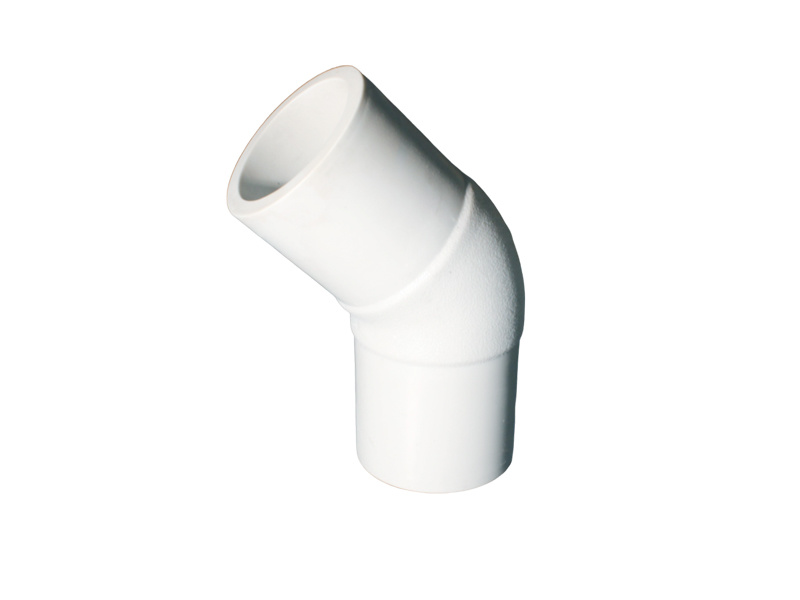
A Comprehensive Guide to Concentric Pipe Fittings: What You Need to Know
A Comprehensive Guide to Concentric Pipe Fittings: What You Need to Know Table of Contents Introduction to Concentric Pipe Fittings What Are Concentric Pipe Fittings? Types of Concentric Pipe Fittings Concentric Elbows Concentric Tees Concentric Reducers Applications of Concentric Pipe Fittings Choosing the Right Materials
30 Nov,2025
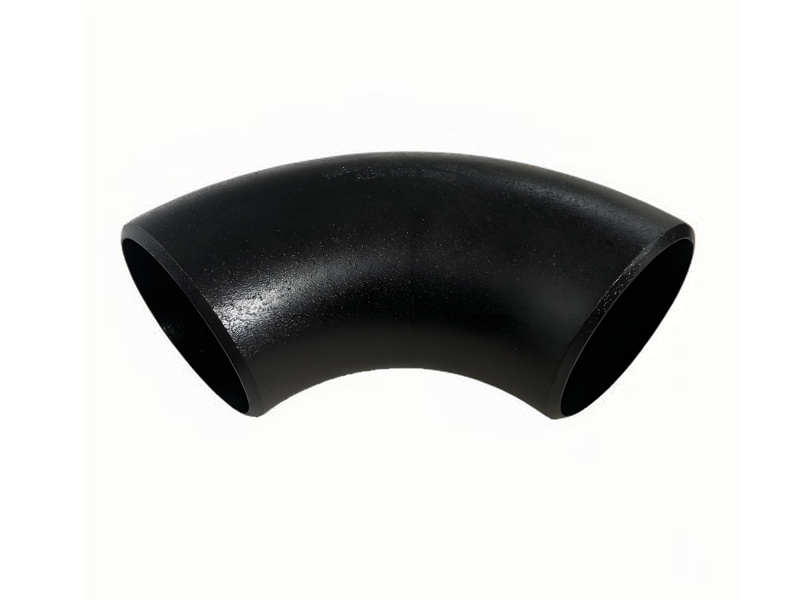
Understanding Forged Steel Elbows: Key Insights for Industry Professionals
Forged steel elbows are critical components in piping systems, particularly in construction and decorative applications where durability and reliability are paramount. These fittings are designed to change the direction of pipe runs, typically at angles of 45 or 90 degrees, effectively managing the flow of fluids or gases through the systems. The manufacturing process involves shaping steel under


Contact information
Address: North Ring Industrial Zone, Mengcun County
Telephone: 86 0317- 6729218 86 0317-6727320
Fax: 0317-6727310
mobile phone: 86 13833761688whatsapp: 86-13780271039
Email: shengyuanflange@163.comLeave Message