

-
Key Benefits of Using BS4504 PN16 Weld Neck Flanges in Industrial Projects
Date:
08 Jul,2025
Key Benefits of Using BS4504 PN16 Weld Neck Flanges in Industrial Projects In the realm of industrial piping systems, the integrity and performance of various components profoundly affect the overall efficiency and reliability of operations. Among these components, **BS4504 PN16 Weld Neck Flanges** stand out due to their robust design and versatile applications. This article delves into the myriad
Key Benefits of Using BS4504 PN16 Weld Neck Flanges in Industrial Projects
In the realm of industrial piping systems, the integrity and performance of various components profoundly affect the overall efficiency and reliability of operations. Among these components, **BS4504 PN16 Weld Neck Flanges** stand out due to their robust design and versatile applications. This article delves into the myriad benefits of utilizing these flanges, particularly in high-pressure environments, while also addressing their technical specifications, installation practices, and maintenance considerations.
Understanding BS4504 PN16 Weld Neck Flanges
BS4504 PN16 Weld Neck Flanges are integral parts of piping systems, designed to provide a strong connection between pipes, valves, and other equipment. They are manufactured to the BS4504 standard, which ensures high quality and durability. The "PN16" designation indicates that these flanges can handle pressures up to 16 bar.
What Makes Weld Neck Flanges Unique?
Weld Neck Flanges feature a long tapered neck that gradually increases in thickness, which provides several advantages over other flange types:
- **Enhanced Structural Integrity**: The design allows for a smooth flow of materials, reducing turbulence and stress concentrations.
- **Ease of Installation**: The flange's neck can be welded directly to the pipe, creating a strong joint that can withstand substantial pressure.
- **Versatility**: Suitable for various applications, they can be used for both high- and low-temperature services.
Key Benefits of BS4504 PN16 Weld Neck Flanges
The following sections outline the primary benefits of incorporating BS4504 PN16 Weld Neck Flanges in industrial projects.
1. Superior Strength and Durability
One of the standout features of BS4504 PN16 Weld Neck Flanges is their superior strength. The welded connection creates a solid joint that is capable of withstanding the demanding conditions often encountered in industrial environments. This durability results in:
- **Reduced Risk of Leaks**: The strong weld joint minimizes the potential for leaks, which is crucial in industries dealing with hazardous materials.
- **Longer Lifespan**: These flanges can endure extreme temperatures and pressures, leading to a longer operational lifespan.
2. Enhanced Flow Characteristics
Weld Neck Flanges facilitate smooth transitions between pipe sections, which is vital for maintaining optimal flow rates. Their design features:
- **Gradual Increase in Diameter**: This design helps to reduce turbulence, allowing for a more efficient flow of liquids and gases.
- **Lower Pressure Drops**: The smooth profile aids in minimizing pressure drops across the flange, improving system efficiency.
3. Versatility Across Various Applications
BS4504 PN16 Weld Neck Flanges are incredibly versatile and can be utilized in a variety of industrial applications, including:
- **Oil and Gas**: Their robust design makes them ideal for high-pressure pipelines in oil and gas extraction and transportation.
- **Chemical Processing**: They can withstand corrosive environments, making them suitable for chemical processing facilities.
- **Water Treatment**: Used in water supply and treatment systems, their durability ensures long-term reliability.
4. Cost-Effectiveness Over Time
While the initial investment in BS4504 PN16 Weld Neck Flanges may be higher than other types of flanges, their long-term benefits justify the costs. Their cost-effectiveness can be attributed to:
- **Reduced Maintenance Needs**: The strength and durability of these flanges result in fewer repairs and replacements over time.
- **Increased Efficiency**: Enhanced flow characteristics contribute to lower energy costs in operational processes.
5. Compatibility with Various Pipe Materials
Another significant advantage of BS4504 PN16 Weld Neck Flanges is their compatibility with a wide range of pipe materials. This flexibility allows for:
- **Seamless Integration**: They can be easily integrated into existing piping systems without extensive modifications.
- **Adaptability to Different Industries**: Their ability to connect with various materials makes them suitable for multiple sectors, from pharmaceuticals to food processing.
Installation Best Practices for BS4504 PN16 Weld Neck Flanges
Proper installation is crucial to fully benefit from the features of BS4504 PN16 Weld Neck Flanges. Here are some best practices to ensure a successful installation:
1. Preparation of Surfaces
Before welding, it is essential to prepare the surfaces of both the flange and the pipe. This involves:
- **Cleaning**: Remove any rust, dirt, or debris to ensure a solid weld.
- **Alignment**: Carefully align the flange with the pipe to prevent stresses during installation.
2. Choosing the Right Welding Technique
Selecting an appropriate welding technique is vital for creating a strong weld joint. Common methods include:
- **TIG (Tungsten Inert Gas) Welding**: Ideal for thin materials, providing a clean and precise weld.
- **MIG (Metal Inert Gas) Welding**: Suitable for thicker materials, offering a faster welding process.
3. Post-Weld Inspection
Once the installation is complete, conducting a post-weld inspection is critical to ensure the integrity of the joint. This can involve:
- **Visual Inspection**: Checking for any obvious defects or misalignments.
- **Non-Destructive Testing (NDT)**: Employing methods such as ultrasonic testing or dye penetrant testing to assess weld quality without damaging the flange or pipe.
Maintenance of BS4504 PN16 Weld Neck Flanges
To maximize the lifespan and performance of BS4504 PN16 Weld Neck Flanges, regular maintenance is essential. Key maintenance practices include:
1. Routine Inspections
Conducting regular inspections can help identify potential issues before they escalate. Focus on:
- **Visual Checks**: Look for signs of corrosion, deformation, or leakage.
- **Pressure Tests**: Regularly perform pressure testing to ensure the integrity of the flange joints.
2. Proper Lubrication
Applying appropriate lubricants can help prevent wear and tear on the flange surfaces, particularly in environments where friction may be a concern.
3. Replacement of Gaskets
If gaskets are used in conjunction with the flanges, ensure they are inspected and replaced as needed to maintain a proper seal.
Common Applications of BS4504 PN16 Weld Neck Flanges
The adaptability of BS4504 PN16 Weld Neck Flanges makes them a preferred choice in various industrial settings. Some common applications include:
1. Petrochemical Industry
In the petrochemical sector, these flanges are essential for safely transporting crude oil and refined products.
2. Water and Wastewater Management
In municipal water systems, they provide a reliable connection for pipelines that transport drinking water and handle wastewater.
3. HVAC Systems
In heating, ventilation, and air conditioning systems, they ensure effective connections between ducts and piping.
FAQs About BS4504 PN16 Weld Neck Flanges
1. What is the difference between Weld Neck Flanges and Slip-On Flanges?
Weld Neck Flanges have a long neck that gradually increases in thickness and provides a stronger joint compared to Slip-On Flanges, which are simply slipped over the pipe and welded.
2. Can BS4504 PN16 Weld Neck Flanges be used in corrosive environments?
Yes, these flanges are designed to withstand various environmental conditions, including corrosive environments, depending on the material used.
3. What materials are commonly used for BS4504 PN16 Weld Neck Flanges?
These flanges are typically made from carbon steel, stainless steel, or alloy steel, depending on the specific application requirements.
4. How do I determine the correct size of Weld Neck Flange for my project?
The correct size depends on the pipe diameter and the pressure rating required for your project. Consulting with a piping engineer can provide clarity.
5. Are there any specific standards for the manufacturing of BS4504 PN16 Weld Neck Flanges?
Yes, these flanges are manufactured according to British Standard 4504, which outlines the specifications for dimensions, materials, and performance characteristics.
Conclusion
Incorporating **BS4504 PN16 Weld Neck Flanges** into industrial projects offers numerous advantages, including enhanced strength, durability, and cost-effectiveness. Their ability to facilitate smooth flow and withstand high-pressure environments makes them a vital component in various applications, from petrochemical to water treatment industries. By adhering to proper installation and maintenance practices, industries can ensure these flanges perform optimally, contributing to the overall efficiency and reliability of their piping systems. Understanding the benefits and best practices associated with these flanges empowers professionals to make informed decisions, ultimately enhancing operational effectiveness in their respective fields.Related News
04 Dec,2025
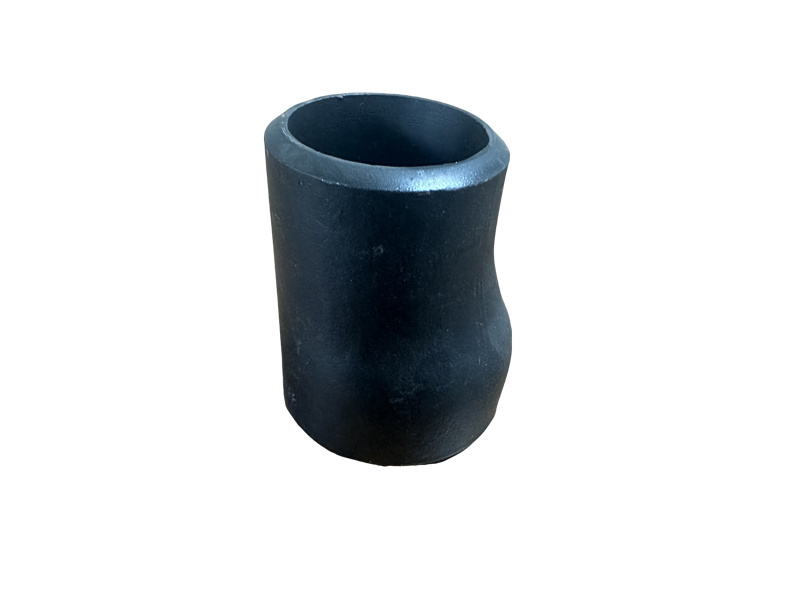
Understanding SS Concentric Reducers: A Critical Component in Pipe Fittings
In the realm of construction and decorative materials, particularly when it comes to pipe fittings, the SS concentric reducer stands out as a vital component. This type of fitting plays a crucial role in the efficient management of fluid flow in piping systems by facilitating the transition between pipes of different diameters. A concentric reducer is designed to connect two pipes with varying dia
02 Dec,2025
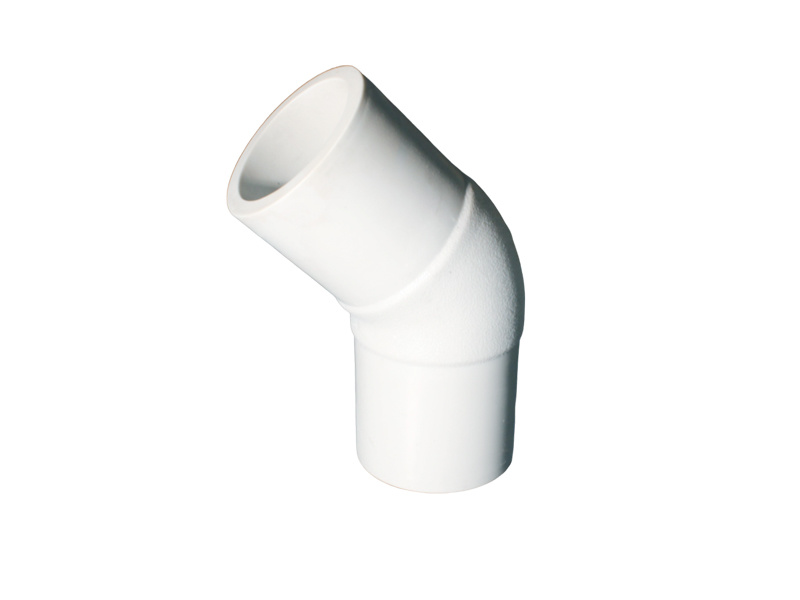
A Comprehensive Guide to Concentric Pipe Fittings: What You Need to Know
A Comprehensive Guide to Concentric Pipe Fittings: What You Need to Know Table of Contents Introduction to Concentric Pipe Fittings What Are Concentric Pipe Fittings? Types of Concentric Pipe Fittings Concentric Elbows Concentric Tees Concentric Reducers Applications of Concentric Pipe Fittings Choosing the Right Materials
30 Nov,2025
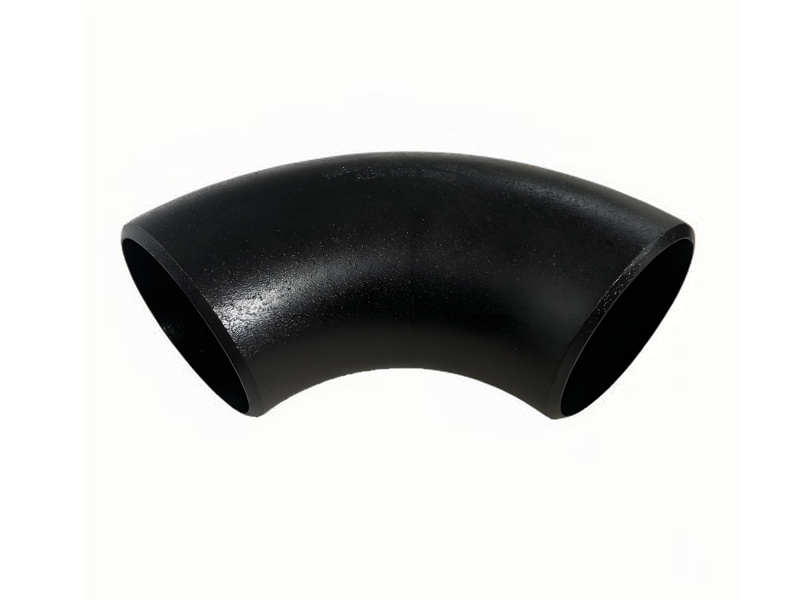
Understanding Forged Steel Elbows: Key Insights for Industry Professionals
Forged steel elbows are critical components in piping systems, particularly in construction and decorative applications where durability and reliability are paramount. These fittings are designed to change the direction of pipe runs, typically at angles of 45 or 90 degrees, effectively managing the flow of fluids or gases through the systems. The manufacturing process involves shaping steel under


Contact information
Address: North Ring Industrial Zone, Mengcun County
Telephone: 86 0317- 6729218 86 0317-6727320
Fax: 0317-6727310
mobile phone: 86 13833761688whatsapp: 86-13780271039
Email: shengyuanflange@163.comLeave Message