

-
How to Properly Maintain Concentric Reducer Fittings for Longevity
Date:
18 Jul,2025
How to Properly Maintain Concentric Reducer Fittings for Longevity Table of Contents 1. Introduction to Concentric Reducer Fittings 2. Understanding Concentric Reducers: What You Need to Know 3. Importance of Maintaining Concentric Reducer Fittings 4. Common Issues with Concentric Reducer Fittings 5. Essential Maintenance Tips for Longevity 6. How to Properly Inspect Conce
How to Properly Maintain Concentric Reducer Fittings for Longevity
Table of Contents
- 1. Introduction to Concentric Reducer Fittings
- 2. Understanding Concentric Reducers: What You Need to Know
- 3. Importance of Maintaining Concentric Reducer Fittings
- 4. Common Issues with Concentric Reducer Fittings
- 5. Essential Maintenance Tips for Longevity
- 6. How to Properly Inspect Concentric Reducer Fittings
- 7. Effective Cleaning Techniques for Fittings
- 8. Preventive Measures to Enhance Durability
- 9. Conclusion
- 10. FAQs about Concentric Reducer Fittings Maintenance
1. Introduction to Concentric Reducer Fittings
Concentric reducer fittings play a critical role in plumbing and piping systems, facilitating the transition between different pipe diameters while maintaining a smooth flow of materials. Their design ensures minimal turbulence and pressure loss, making them a preferred choice for various industrial applications. However, like all components in a piping system, they require regular maintenance for optimal performance and longevity.
2. Understanding Concentric Reducers: What You Need to Know
Concentric reducers are specifically designed to connect pipes with varying diameters, providing a seamless transition that prevents flow disruption. They are typically constructed from materials such as stainless steel, PVC, or carbon steel, depending on the application requirements. Understanding the construction and function of these fittings is vital for effective maintenance.
Types of Concentric Reducers
Concentric reducers come in various types, including:
- **Standard Concentric Reducers**: These are the most common types used in various applications.
- **Custom Concentric Reducers**: Designed to meet specific requirements for unique applications.
3. Importance of Maintaining Concentric Reducer Fittings
Proper maintenance of concentric reducer fittings is paramount for several reasons:
- **Prevents Leaks**: Regular inspections can help detect wear and tear, preventing leaks that could lead to costly repairs or downtime.
- **Enhances Performance**: Well-maintained fittings reduce friction and ensure efficient flow, improving system performance.
- **Extends Lifespan**: Routine care can significantly extend the life of concentric reducers, providing better value for your investment.
4. Common Issues with Concentric Reducer Fittings
Understanding the potential problems that can arise with concentric reducer fittings is essential for effective maintenance.
Corrosion
Corrosion can occur due to exposure to harsh chemicals or moisture, leading to structural weakening.
Blockages
Debris accumulation can obstruct flow, reducing efficiency and increasing pressure within the system.
Wear and Tear
Frequent use can lead to wear, including cracks or deformation, which can compromise the integrity of the fitting.
5. Essential Maintenance Tips for Longevity
Adopting a proactive maintenance strategy is crucial for ensuring the longevity of your concentric reducer fittings. Here are some essential tips:
Regular Inspections
Conduct routine inspections at least once a month. Look for signs of corrosion, cracks, or any deformities. Early detection can save costs and prevent major failures.
Proper Installation
Ensure that fittings are installed according to manufacturer specifications. Improper installation can lead to alignment issues and increased wear.
Use Quality Materials
Always opt for high-quality materials for your concentric reducers. While it may be tempting to choose cheaper options, investing in quality fittings pays off in the long run.
6. How to Properly Inspect Concentric Reducer Fittings
Inspection is a vital step in maintaining concentric reducer fittings. Here’s how to do it effectively:
Visual Inspection
Start with a thorough visual examination. Look for surface defects, discoloration, or signs of leakage.
Check Connections
Ensure that all connections are tight and secure. Loose connections can lead to leaks and decreased efficiency.
Functional Testing
If possible, perform functional tests to ensure that the fitting is performing as expected under operational conditions.
7. Effective Cleaning Techniques for Fittings
Keeping concentric reducer fittings clean is essential for optimal performance. Here are some effective cleaning techniques:
Basic Cleaning
For routine cleaning, a mixture of warm water and mild detergent works well. Use a soft cloth or sponge to avoid scratching the surface.
Deep Cleaning
For tougher stains or buildup, consider using a specialized cleaning solution recommended for the material of your fittings. Always follow the manufacturer’s guidelines.
8. Preventive Measures to Enhance Durability
Implementing preventive measures can significantly enhance the durability of your concentric reducer fittings:
Regular Maintenance Schedule
Establish a maintenance schedule that includes inspections, cleaning, and testing. Consistency is key to preventing larger issues down the line.
Protective Coatings
Consider applying protective coatings to prevent corrosion, especially in environments where fittings are exposed to harsh conditions.
Training Staff
Ensure that all personnel involved in the maintenance of these fittings are adequately trained. Knowledge of proper procedures is crucial for maintaining performance and longevity.
9. Conclusion
Maintaining concentric reducer fittings is essential for ensuring their longevity and performance in various piping systems. By understanding the common issues, implementing regular inspections, and adopting effective cleaning techniques, you can significantly enhance the durability of these crucial components. A proactive maintenance strategy not only saves costs but also contributes to the efficient operation of your entire system.
10. FAQs about Concentric Reducer Fittings Maintenance
Q1: How often should I inspect my concentric reducer fittings?
A1: Routine inspections should be conducted at least once a month, with more frequent checks in high-use applications.
Q2: Can I use any cleaning solution for my fittings?
A2: It’s essential to use cleaning solutions that are compatible with the material of your fittings to avoid damage.
Q3: What signs indicate that my fittings need replacement?
A3: Look for significant corrosion, cracks, or deformation. If the fittings are leaking or not performing as expected, they may need to be replaced.
Q4: Are there specific installation guidelines for concentric reducers?
A4: Yes, always follow the manufacturer’s installation guidelines to ensure proper alignment and prevent premature wear.
Q5: How can I protect my fittings from corrosion?
A5: Applying protective coatings and ensuring proper drainage can help minimize the risk of corrosion in your fittings.Related News
04 Dec,2025
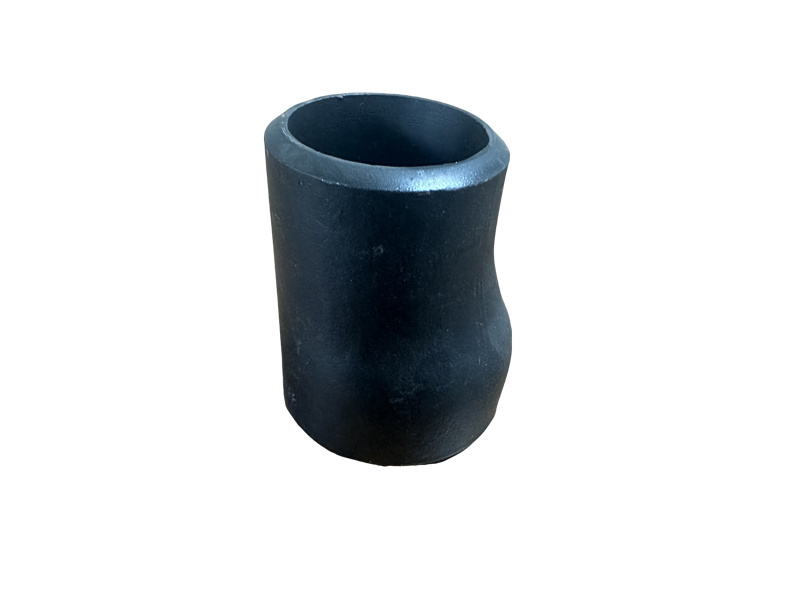
Understanding SS Concentric Reducers: A Critical Component in Pipe Fittings
In the realm of construction and decorative materials, particularly when it comes to pipe fittings, the SS concentric reducer stands out as a vital component. This type of fitting plays a crucial role in the efficient management of fluid flow in piping systems by facilitating the transition between pipes of different diameters. A concentric reducer is designed to connect two pipes with varying dia
02 Dec,2025
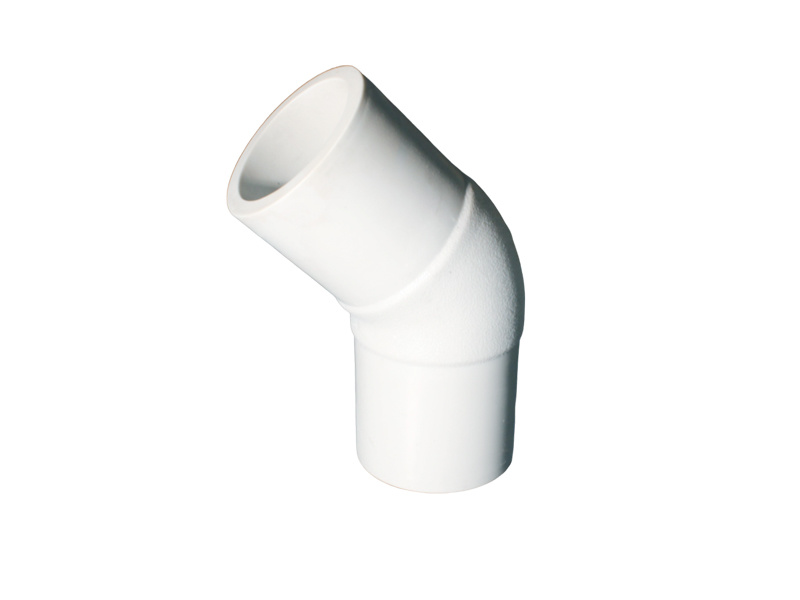
A Comprehensive Guide to Concentric Pipe Fittings: What You Need to Know
A Comprehensive Guide to Concentric Pipe Fittings: What You Need to Know Table of Contents Introduction to Concentric Pipe Fittings What Are Concentric Pipe Fittings? Types of Concentric Pipe Fittings Concentric Elbows Concentric Tees Concentric Reducers Applications of Concentric Pipe Fittings Choosing the Right Materials
30 Nov,2025
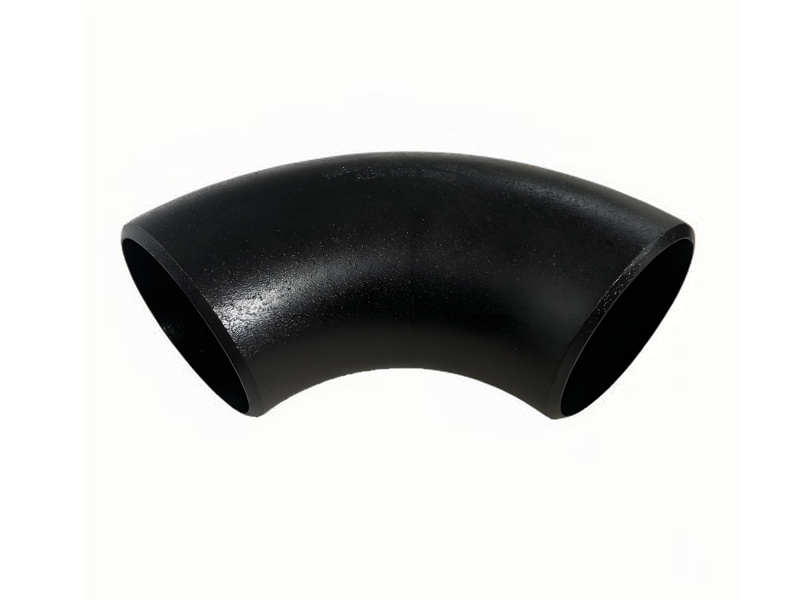
Understanding Forged Steel Elbows: Key Insights for Industry Professionals
Forged steel elbows are critical components in piping systems, particularly in construction and decorative applications where durability and reliability are paramount. These fittings are designed to change the direction of pipe runs, typically at angles of 45 or 90 degrees, effectively managing the flow of fluids or gases through the systems. The manufacturing process involves shaping steel under


Contact information
Address: North Ring Industrial Zone, Mengcun County
Telephone: 86 0317- 6729218 86 0317-6727320
Fax: 0317-6727310
mobile phone: 86 13833761688whatsapp: 86-13780271039
Email: shengyuanflange@163.comLeave Message