

-
Top Benefits of Using Forged Steel Elbows in Building Applications
Date:
03 Aug,2025
Top Benefits of Using Forged Steel Elbows in Building Applications Table of Contents Introduction to Forged Steel Elbows Understanding Forged Steel Elbows Advantages of Forged Steel Elbows 1. Exceptional Durability 2. High Strength-to-Weight Ratio 3. Corrosion Resistance 4. Temperature Resistance Key Applicatio
Top Benefits of Using Forged Steel Elbows in Building Applications
Table of Contents
- Introduction to Forged Steel Elbows
- Understanding Forged Steel Elbows
- Advantages of Forged Steel Elbows
- 1. Exceptional Durability
- 2. High Strength-to-Weight Ratio
- 3. Corrosion Resistance
- 4. Temperature Resistance
- Key Applications in Building Projects
- Cost-Efficiency in Installation and Maintenance
- Compliance with Safety Standards
- Installation Tips for Forged Steel Elbows
- Conclusion
- Frequently Asked Questions
Introduction to Forged Steel Elbows
Forged steel elbows are critical components in various building applications, particularly in the construction and engineering sectors. Their unique properties make them a favored choice for piping systems, ensuring that the flow of fluids and gases is maintained efficiently. In this article, we will delve into the numerous benefits of using forged steel elbows in building applications, highlighting why they are an essential element in modern construction.
Understanding Forged Steel Elbows
Forged steel elbows are fittings that allow for changes in direction within piping systems. They are manufactured by shaping steel through a forging process, resulting in a product that is typically stronger and more durable than standard cast fittings. This increased strength makes them ideal for high-pressure applications and environments where longevity and reliability are paramount.
Advantages of Forged Steel Elbows
1. Exceptional Durability
One of the standout features of forged steel elbows is their **outstanding durability**. The forging process imparts superior mechanical properties, making these elbows resistant to wear and tear. In high-stress environments, where traditional fittings might fail, forged steel elbows maintain structural integrity, reducing the likelihood of pipe leaks or ruptures. This durability translates to fewer replacements and lower long-term maintenance costs.
2. High Strength-to-Weight Ratio
Forged steel elbows boast a **high strength-to-weight ratio**, allowing builders to use less material while still achieving the necessary strength for structural support. This not only contributes to a reduction in overall project weight but also enables easier handling and installation. The lightweight nature of these fittings can significantly reduce labor costs associated with transportation and installation.
3. Corrosion Resistance
In many building applications, exposure to moisture and chemicals can lead to corrosion, compromising the longevity of fittings. **Forged steel elbows** are often treated with protective coatings or manufactured from stainless steel, enhancing their **corrosion resistance**. This feature ensures that these fittings can withstand harsh environments without succumbing to rust or degradation, thereby extending their service life.
4. Temperature Resistance
Forged steel elbows are capable of withstanding extreme temperatures, making them suitable for a variety of applications, including those involving hot water, steam, or even cryogenic fluids. Their ability to maintain performance under temperature fluctuations ensures that they remain reliable in diverse conditions, adding to their versatility in building projects.
Key Applications in Building Projects
The applications of forged steel elbows extend across various sectors, including:
- **Industrial Piping Systems**: Used extensively in manufacturing plants for transporting liquids and gases.
- **HVAC Systems**: Essential for directing airflow and maintaining efficient heating and cooling.
- **Water and Waste Management**: Integral to systems designed for potable water and sewage.
- **Fire Protection Systems**: Crucial in maintaining the integrity of sprinkler systems in buildings.
By understanding where these elbows fit into existing systems, engineers and builders can make informed decisions about their use.
Cost-Efficiency in Installation and Maintenance
Although the initial cost of forged steel elbows might be higher than other materials, their **long-term cost-efficiency** is significant. The durability and longevity of these fittings mean that they require less frequent replacement, leading to savings in both time and money. Additionally, reduced maintenance needs translate to lower operational costs over the lifespan of the system.
Compliance with Safety Standards
Using forged steel elbows also helps ensure compliance with safety regulations in various industries. Their ability to withstand high pressure and temperatures makes them ideal for critical systems in buildings, where safety is paramount. Many forged fittings meet or exceed relevant industry standards, providing builders and engineers with peace of mind that their projects adhere to stringent safety requirements.
Installation Tips for Forged Steel Elbows
To maximize the benefits of forged steel elbows, proper installation is crucial. Here are several tips to follow:
1. **Plan the Layout**: Before installation, ensure that the piping layout is well-planned. This includes considering the direction changes and the required fittings.
2. **Use Quality Seals**: Ensure that the seals and gaskets used with forged steel elbows are of high quality to prevent leaks.
3. **Follow Manufacturer Guidelines**: Always refer to the manufacturer's installation instructions and torque specifications to avoid damage to the fittings.
4. **Conduct Pressure Tests**: After installation, performing pressure tests can help ensure that everything is functioning correctly and safely.
5. **Regular Maintenance Checks**: While forged steel elbows are durable, periodic inspections can help catch any potential issues before they escalate.
Conclusion
Forged steel elbows represent a critical component in modern building applications, offering a range of benefits that significantly enhance the performance and durability of piping systems. Their exceptional strength, corrosion resistance, and cost-effectiveness make them a preferred choice for engineers and builders alike. In today’s construction industry, where efficiency and safety are paramount, the adoption of forged steel elbows is not just advantageous but essential for creating reliable infrastructure. By understanding and utilizing these fittings effectively, we can ensure that our building projects are equipped to handle the demands of the present and future.
Frequently Asked Questions
1. What are forged steel elbows made of?
Forged steel elbows are typically made from high-quality steel, which is then subjected to a forging process. This process enhances the material's strength and durability.
2. How do forged steel elbows compare to cast iron elbows?
Forged steel elbows are generally stronger and more durable than cast iron elbows. They also have a higher resistance to corrosion and temperature fluctuations, making them a better choice for many applications.
3. Can forged steel elbows be used in residential plumbing?
Yes, forged steel elbows can be used in residential plumbing systems, especially in applications requiring high strength and durability.
4. What is the lifespan of forged steel elbows?
The lifespan of forged steel elbows can vary based on usage and environmental conditions, but they are designed to last many years without significant deterioration.
5. Are there specific standards for forged steel elbows?
Yes, forged steel elbows must meet specific industry standards, such as ASTM (American Society for Testing and Materials) and ASME (American Society of Mechanical Engineers) standards, which ensure their quality and reliability in various applications.Related News
04 Dec,2025
Understanding SS Concentric Reducers: A Critical Component in Pipe Fittings
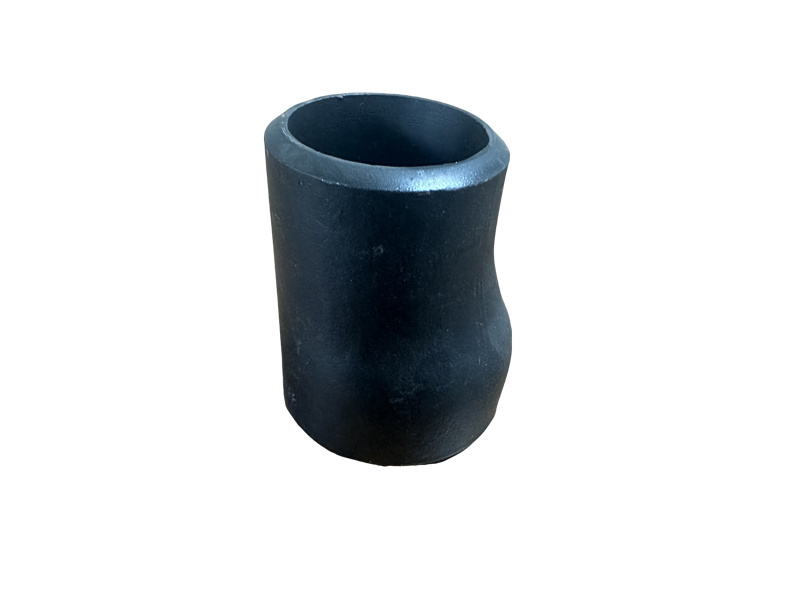
In the realm of construction and decorative materials, particularly when it comes to pipe fittings, the SS concentric reducer stands out as a vital component. This type of fitting plays a crucial role in the efficient management of fluid flow in piping systems by facilitating the transition between pipes of different diameters. A concentric reducer is designed to connect two pipes with varying dia
02 Dec,2025
A Comprehensive Guide to Concentric Pipe Fittings: What You Need to Know
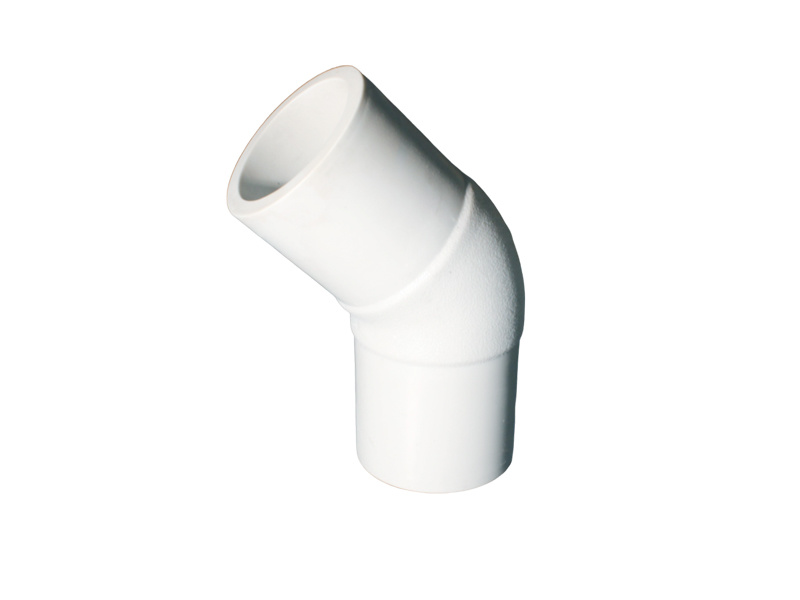
A Comprehensive Guide to Concentric Pipe Fittings: What You Need to Know Table of Contents Introduction to Concentric Pipe Fittings What Are Concentric Pipe Fittings? Types of Concentric Pipe Fittings Concentric Elbows Concentric Tees Concentric Reducers Applications of Concentric Pipe Fittings Choosing the Right Materials
30 Nov,2025
Understanding Forged Steel Elbows: Key Insights for Industry Professionals
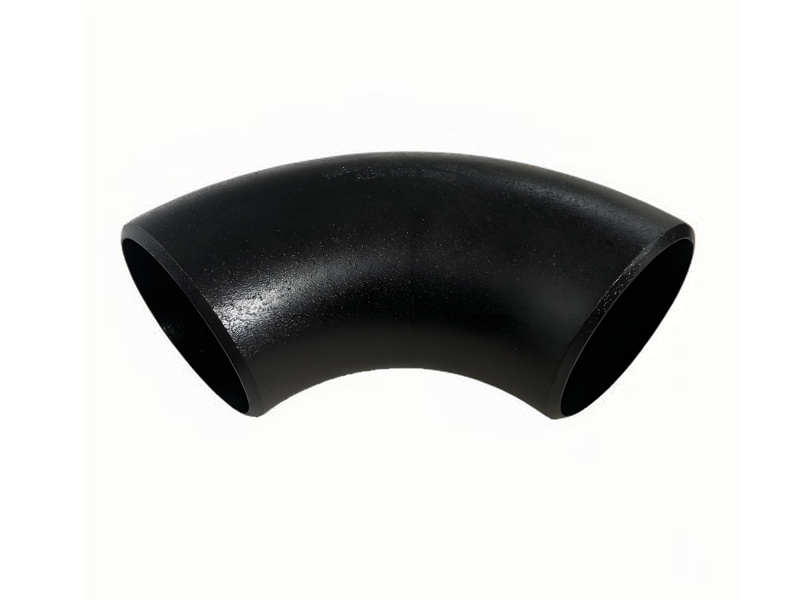
Forged steel elbows are critical components in piping systems, particularly in construction and decorative applications where durability and reliability are paramount. These fittings are designed to change the direction of pipe runs, typically at angles of 45 or 90 degrees, effectively managing the flow of fluids or gases through the systems. The manufacturing process involves shaping steel under


Contact information
Address: North Ring Industrial Zone, Mengcun County
Telephone: 86 0317- 6729218 86 0317-6727320
Fax: 0317-6727310
mobile phone: 86 13833761688whatsapp: 86-13780271039
Email: shengyuanflange@163.comLeave Message