

-
Why Choose Concentric Pipe Fittings for Your Next Project? A Comprehensive Guide to Benefits and Applications
Date:
05 Aug,2025
Why Choose Concentric Pipe Fittings for Your Next Project? When it comes to construction and piping systems, the choice of materials and fittings can significantly impact the efficiency and longevity of a project. Concentric pipe fittings have emerged as a preferred solution in various applications due to their unique design and functionality. This article will delve into the myriad benefits of us
Why Choose Concentric Pipe Fittings for Your Next Project?
When it comes to construction and piping systems, the choice of materials and fittings can significantly impact the efficiency and longevity of a project. Concentric pipe fittings have emerged as a preferred solution in various applications due to their unique design and functionality. This article will delve into the myriad benefits of using concentric pipe fittings and shed light on their applications in the industry.
Understanding Concentric Pipe Fittings
Concentric pipe fittings are specialized components designed to connect pipes with a consistent diameter. Unlike eccentric fittings, which are offset and create a change in the flow path, concentric fittings maintain a uniform centerline, allowing for smoother transitions in fluid dynamics.
Key Characteristics of Concentric Pipe Fittings
1. **Uniform Diameter**: The primary feature of concentric fittings is their ability to provide a consistent inner diameter, which is crucial for maintaining optimal flow rates.
2. **Streamlined Flow**: Their design minimizes turbulence and pressure loss, making them ideal for high-efficiency systems.
3. **Versatility**: These fittings are available in various materials, including PVC, stainless steel, and carbon steel, catering to diverse project needs.
The Advantages of Using Concentric Pipe Fittings
When selecting fittings for your piping systems, the advantages of concentric pipe fittings stand out prominently. Here are several compelling reasons to consider them for your next project.
1. Enhanced Flow Efficiency
One of the foremost benefits of concentric pipe fittings is their ability to facilitate optimal fluid flow. The uniform diameter reduces pressure drops and minimizes turbulence, which can lead to energy savings in pumping costs. This efficiency is particularly crucial in systems requiring continuous fluid transport, such as water supply and irrigation networks.
2. Simplified Installation Process
Installing concentric pipe fittings is straightforward, making them a preferred choice for contractors and engineers. Their symmetrical design means they can be easily aligned with existing pipes, reducing installation time and labor costs. Moreover, this ease of installation translates to fewer errors and a lower likelihood of leaks.
3. Superior Strength and Durability
Concentric fittings are engineered to withstand various pressures and environmental conditions. Depending on the material used, they exhibit significant resistance to corrosion, abrasion, and impact. This strength ensures that they will not only last longer but also reduce the need for frequent replacements, ultimately contributing to lower lifecycle costs.
4. Compatibility with Various Applications
Whether your project involves water treatment, HVAC systems, or industrial processes, concentric pipe fittings can be tailored to meet specific requirements. Their versatility makes them suitable for both residential and commercial applications, enhancing their appeal across different sectors.
5. Cost-Effectiveness
While the initial investment in concentric pipe fittings may be higher than traditional fittings, the long-term savings in maintenance and energy efficiency make them a cost-effective solution. Their durability and reliability reduce the risk of costly failures and downtime, which is particularly valuable in commercial settings.
Applications of Concentric Pipe Fittings in Construction
The applications of concentric pipe fittings span a wide range of industries, each benefiting from their unique characteristics. Below, we explore some of the most common applications where these fittings shine.
1. Water Supply and Distribution Systems
In municipal water supply systems, maintaining consistent pressure and flow is critical. Concentric fittings play a vital role in ensuring the integrity of the system, providing seamless connections that minimize leaks and pressure drops.
2. HVAC Systems
Heating, ventilation, and air conditioning (HVAC) systems rely on efficient airflow to maintain optimal indoor climates. Concentric pipe fittings ensure smooth transitions in ductwork, enhancing performance and energy efficiency.
3. Industrial Processes
In industrial settings, the movement of fluids, gases, and slurries is paramount. Concentric fittings can withstand harsh conditions, providing reliable connections in processes such as chemical manufacturing and oil and gas transportation.
4. Fire Protection Systems
Fire suppression systems must function flawlessly in emergencies. Concentric fittings provide the reliability needed for sprinkler systems and other fire protection measures, ensuring timely and effective responses.
5. Renewable Energy Applications
As the world shifts towards renewable energy sources, concentric pipe fittings find their place in systems such as geothermal heating and solar thermal systems. Their efficiency and durability support the push for sustainable solutions.
How to Choose the Right Concentric Pipe Fittings
Selecting the appropriate concentric pipe fittings for your project involves several considerations to ensure optimal performance and compatibility.
1. Material Compatibility
Consider the materials in your piping system. Choose fittings made from compatible materials to prevent corrosion and ensure a seamless connection. For instance, if your pipes are PVC, opt for PVC concentric fittings.
2. Size and Dimensions
Ensure that the fittings you select match the diameter and pressure rating of your pipes. Accurately measuring and confirming dimensions will prevent installation issues and ensure efficient flow.
3. Application Requirements
Different applications impose varying demands on piping systems. Assess the specific requirements of your project, including temperature, pressure, and fluid type, to select the most suitable concentric fittings.
4. Manufacturer Reputation
Choose fittings from reputable manufacturers known for quality and compliance with industry standards. Research customer reviews and product specifications to ensure reliability.
Installation Best Practices for Concentric Pipe Fittings
To maximize the benefits of concentric pipe fittings, adhering to best practices during installation is essential.
1. Pre-Installation Inspection
Before installation, inspect both the pipes and fittings for any defects or damage. This step is crucial to prevent future issues related to leaks or failures.
2. Proper Alignment
Ensure that the fittings are properly aligned with the pipes during installation. Misalignment can lead to stress on the fittings and increased risk of leaks.
3. Use Appropriate Tools
Utilize the right tools for cutting, cleaning, and securing the fittings. This approach will ensure that connections are made accurately and securely, contributing to the overall integrity of the system.
Frequently Asked Questions (FAQs)
1. What are the main benefits of using concentric pipe fittings?
The main benefits include enhanced flow efficiency, simplified installation, superior strength and durability, compatibility with various applications, and cost-effectiveness over time.
2. Are concentric pipe fittings suitable for high-pressure applications?
Yes, concentric pipe fittings are designed to withstand various pressures and are suitable for high-pressure applications when chosen based on the correct specifications.
3. How do I know what size concentric fittings to choose?
The size of concentric fittings should match the diameter and pressure rating of your pipes. Accurate measurements will help in selecting the right size.
4. Can concentric pipe fittings be used with PVC pipes?
Absolutely! Concentric fittings come in various materials, including PVC, making them compatible with PVC piping systems.
5. What maintenance is required for concentric pipe fittings?
Regular inspections for leaks or damage are recommended, along with ensuring proper alignment and seal integrity to maintain system efficiency.
Conclusion
In summary, concentric pipe fittings present a multitude of advantages that make them an ideal choice for a variety of construction projects. Their design promotes enhanced flow efficiency, simplifies installation, and ensures durability, making them an asset in any piping system. With a wide range of applications, from water supply to industrial processes, concentric fittings prove their versatility and reliability time and again. By choosing the right fittings and adhering to best practices during installation, you can ensure the success of your next project. Embrace the benefits of concentric pipe fittings and elevate your construction endeavors to unprecedented heights.Related News
04 Dec,2025
Understanding SS Concentric Reducers: A Critical Component in Pipe Fittings
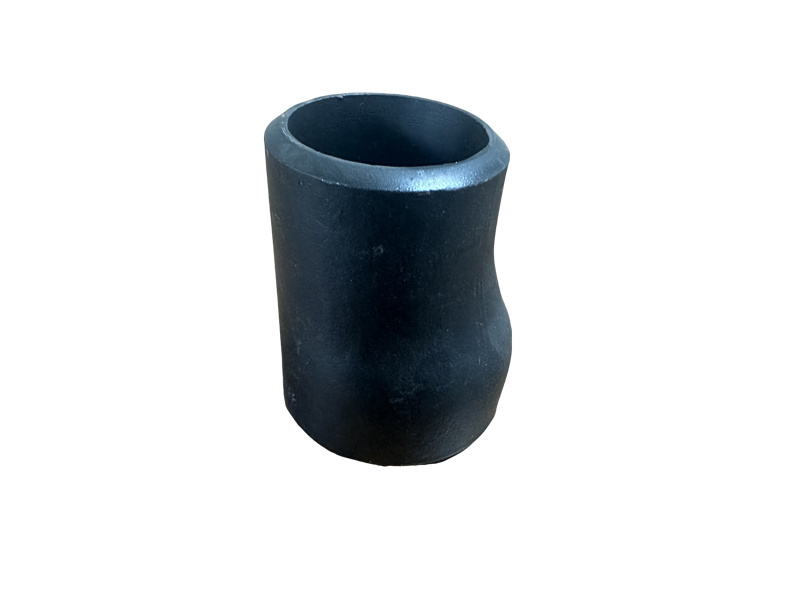
In the realm of construction and decorative materials, particularly when it comes to pipe fittings, the SS concentric reducer stands out as a vital component. This type of fitting plays a crucial role in the efficient management of fluid flow in piping systems by facilitating the transition between pipes of different diameters. A concentric reducer is designed to connect two pipes with varying dia
02 Dec,2025
A Comprehensive Guide to Concentric Pipe Fittings: What You Need to Know
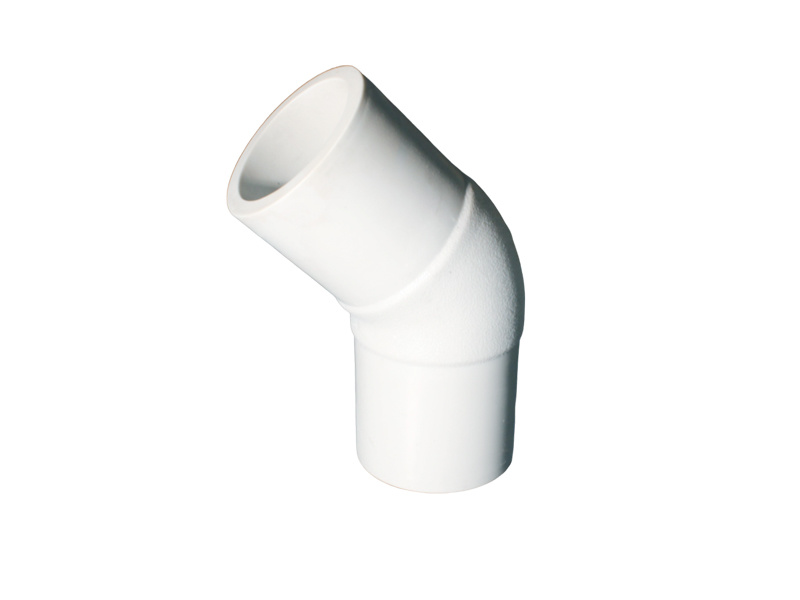
A Comprehensive Guide to Concentric Pipe Fittings: What You Need to Know Table of Contents Introduction to Concentric Pipe Fittings What Are Concentric Pipe Fittings? Types of Concentric Pipe Fittings Concentric Elbows Concentric Tees Concentric Reducers Applications of Concentric Pipe Fittings Choosing the Right Materials
30 Nov,2025
Understanding Forged Steel Elbows: Key Insights for Industry Professionals
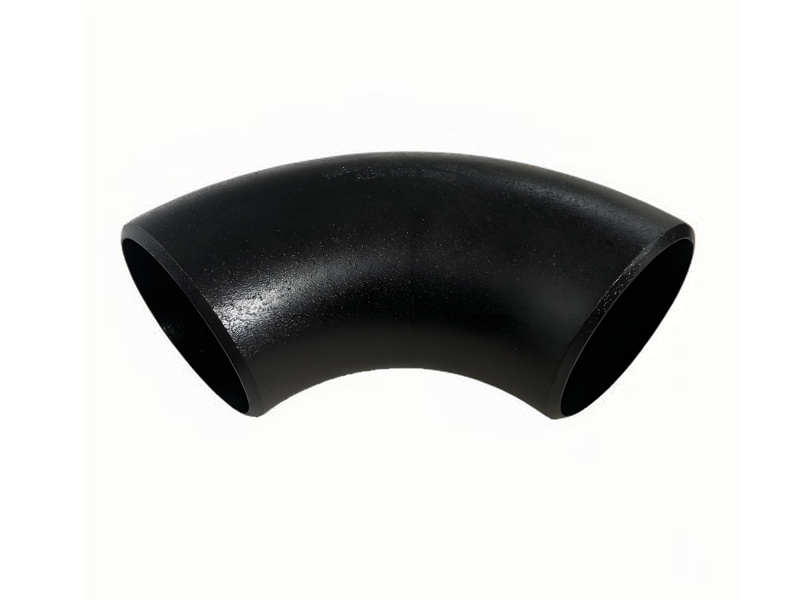
Forged steel elbows are critical components in piping systems, particularly in construction and decorative applications where durability and reliability are paramount. These fittings are designed to change the direction of pipe runs, typically at angles of 45 or 90 degrees, effectively managing the flow of fluids or gases through the systems. The manufacturing process involves shaping steel under


Contact information
Address: North Ring Industrial Zone, Mengcun County
Telephone: 86 0317- 6729218 86 0317-6727320
Fax: 0317-6727310
mobile phone: 86 13833761688whatsapp: 86-13780271039
Email: shengyuanflange@163.comLeave Message