

-
A Comprehensive Exploration of GOST 12820-80 Plate Flanges: Specifications, Applications, and Insights
Date:
25 Aug,2025
A Deep Dive into the Specifications of GOST 12820-80 Plate Flanges Table of Contents 1. Introduction to GOST 12820-80 Plate Flanges 2. Historical Context of GOST Standards 3. Detailed Specifications of GOST 12820-80 3.1 Dimensions and Sizes 3.2 Materials Used 3.3 Pressure Classes 3.4 Surface Finishes 4. Applications
A Deep Dive into the Specifications of GOST 12820-80 Plate Flanges
Table of Contents
- 1. Introduction to GOST 12820-80 Plate Flanges
- 2. Historical Context of GOST Standards
- 3. Detailed Specifications of GOST 12820-80
- 4. Applications of GOST 12820-80 Plate Flanges
- 5. Installation Guidelines for GOST 12820-80 Flanges
- 6. Compliance with GOST 12820-80 Standards
- 7. Frequently Asked Questions (FAQs)
- 8. Conclusion
1. Introduction to GOST 12820-80 Plate Flanges
GOST 12820-80 represents a crucial standard established in the Soviet Union, which outlines the specifications for plate flanges. These flanges play a pivotal role in connecting pipes, valves, pumps, and other equipment within various industrial applications. Understanding the specifications of GOST 12820-80 plate flanges is essential for engineers, designers, and procurement professionals engaged in sectors such as construction, oil and gas, and chemical processing. This article aims to provide an in-depth analysis of the specifications, including dimensions, materials, and applications of GOST 12820-80 plate flanges.
2. Historical Context of GOST Standards
The GOST (Gosudarstvennyy Standart) system was implemented to standardize production and quality in the former Soviet Union. The GOST 12820-80 standard was introduced to ensure uniformity and reliability in the manufacturing of plate flanges. Understanding the historical context of GOST standards can enhance our appreciation for their role in modern engineering practices. The significance of these standards continues to resonate globally, particularly in industries where safety and reliability are paramount.
3. Detailed Specifications of GOST 12820-80
Understanding the detailed specifications of GOST 12820-80 plate flanges is critical for ensuring that the flanges used in projects meet the required standards for performance and safety.
3.1 Dimensions and Sizes
GOST 12820-80 specifies a range of dimensions for plate flanges, accommodating various pipe sizes and thicknesses. The standard outlines nominal sizes, which correspond to the diameter of the pipe. The flange thickness varies according to the nominal size, ensuring that the flanges can withstand operational pressures without compromising structural integrity. The following dimensions are commonly adhered to:
- **Nominal Diameter (DN):** Ranges from DN 10 to DN 1200.
- **Flange Thickness:** Typically between 5 mm and 30 mm, depending on the nominal size.
- **Bolt Hole Diameter and Pitch Circle:** Specifically designed for compatibility with standard bolts.
This varied sizing allows for versatility in applications, making GOST 12820-80 plate flanges suitable for diverse systems.
3.2 Materials Used
The choice of materials for GOST 12820-80 plate flanges is fundamental to their performance. The standard permits a range of materials, primarily metals, selected based on their mechanical properties and resistance to corrosion. Common materials include:
- **Carbon Steel (e.g., St20):** Widely used for its durability and strength in moderate-pressure applications.
- **Stainless Steel (e.g., 12X18H10T):** Preferred for its exceptional resistance to corrosion, suitable for chemical processing and food industries.
- **Alloy Steel:** Used in high-temperature and high-pressure environments, providing enhanced mechanical properties.
The material selection influences the flange’s lifespan and application suitability, making it an essential consideration during procurement.
3.3 Pressure Classes
GOST 12820-80 categorizes plate flanges into various pressure classes, which denote their ability to withstand internal pressure. The most common pressure ratings include:
- **PN 6:** Suitable for lower-pressure systems.
- **PN 10, PN 16:** Commonly used in standard industrial applications.
- **PN 25, PN 40:** Designed for high-pressure environments, ensuring robust performance.
Understanding the pressure class of the flange is crucial for matching it with the corresponding piping system to prevent failures.
3.4 Surface Finishes
The surface finish of GOST 12820-80 plate flanges is another critical aspect that impacts their performance. The standard specifies surface finish requirements to enhance sealing and minimize the risk of leaks. Common surface finishes include:
- **Smooth Finish:** Typically achieved through machining, offering a tighter seal.
- **Rough Finish:** Sometimes used for specific applications to enhance grip or attachment.
These finishes are instrumental in ensuring that the flanges provide a secure connection within piping systems.
4. Applications of GOST 12820-80 Plate Flanges
GOST 12820-80 plate flanges find applications across various industries due to their reliability and adherence to standards. Key areas of application include:
- **Oil and Gas Industry:** Utilized in pipelines for transporting crude oil and natural gas, ensuring safe connections.
- **Chemical Industry:** Employed in manufacturing processes where resistance to corrosive substances is essential.
- **Construction Sector:** Used in HVAC systems and plumbing for building infrastructures.
- **Water Supply Systems:** Ensures secure connections in municipal and agricultural water systems.
The versatility of GOST 12820-80 plate flanges makes them indispensable in modern engineering.
5. Installation Guidelines for GOST 12820-80 Flanges
Proper installation of GOST 12820-80 plate flanges is critical to ensure a leak-free connection. The following guidelines should be adhered to during the installation process:
1. **Surface Preparation:** Ensure that the flange surfaces are clean, free from debris, and properly aligned.
2. **Gasket Selection:** Choose appropriate gaskets based on the application and flange material.
3. **Bolt Installation:** Use the correct number of bolts as specified and tighten them in a crisscross pattern to achieve even pressure distribution.
4. **Final Inspection:** After installation, conduct a thorough inspection to ensure no leaks are present.
Following these guidelines can significantly enhance the reliability and longevity of the flange connections.
6. Compliance with GOST 12820-80 Standards
Ensuring compliance with GOST 12820-80 standards is essential for manufacturers and suppliers of plate flanges. Compliance guarantees that the flanges meet industry requirements for safety and performance. Regular audits and testing of materials and manufacturing processes are advisable to maintain compliance and quality assurance. Organizations can also attain certificates of conformity to bolster credibility and trust among clients.
7. Frequently Asked Questions (FAQs)
What is GOST 12820-80?
GOST 12820-80 is a standard that specifies the dimensions, materials, and performance criteria for plate flanges used in pipelines and various industrial applications.
What materials are used for GOST 12820-80 plate flanges?
Common materials include carbon steel, stainless steel, and alloy steel, chosen based on the specific application and environmental conditions.
How do I determine the correct pressure class for a flange?
The pressure class is based on the operational conditions of the piping system. Refer to the system specifications to select the appropriate flange class.
Can GOST 12820-80 flanges be used in corrosive environments?
Yes, flanges made from stainless steel or specially coated materials can be used in corrosive environments to ensure longevity and performance.
What are the consequences of improper installation?
Improper installation can lead to leaks, reduced system efficiency, and potential safety hazards. Adhering to installation guidelines is crucial for optimal performance.
8. Conclusion
In conclusion, GOST 12820-80 plate flanges are vital components in numerous industrial applications, providing safe and reliable connections within piping systems. Understanding their specifications—from dimensions to materials and applications—is essential for industry professionals. By ensuring compliance with GOST standards and following proper installation guidelines, users can achieve optimal performance and longevity of their flange connections. As industries continue to evolve, the significance of reliable standards like GOST 12820-80 remains paramount in promoting safety and efficiency in engineering practices.Related News
04 Dec,2025
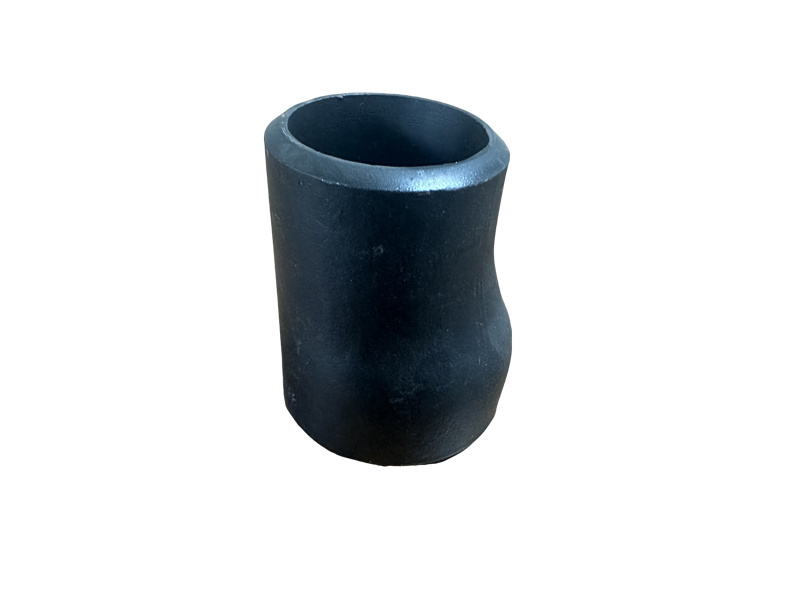
Understanding SS Concentric Reducers: A Critical Component in Pipe Fittings
In the realm of construction and decorative materials, particularly when it comes to pipe fittings, the SS concentric reducer stands out as a vital component. This type of fitting plays a crucial role in the efficient management of fluid flow in piping systems by facilitating the transition between pipes of different diameters. A concentric reducer is designed to connect two pipes with varying dia
02 Dec,2025
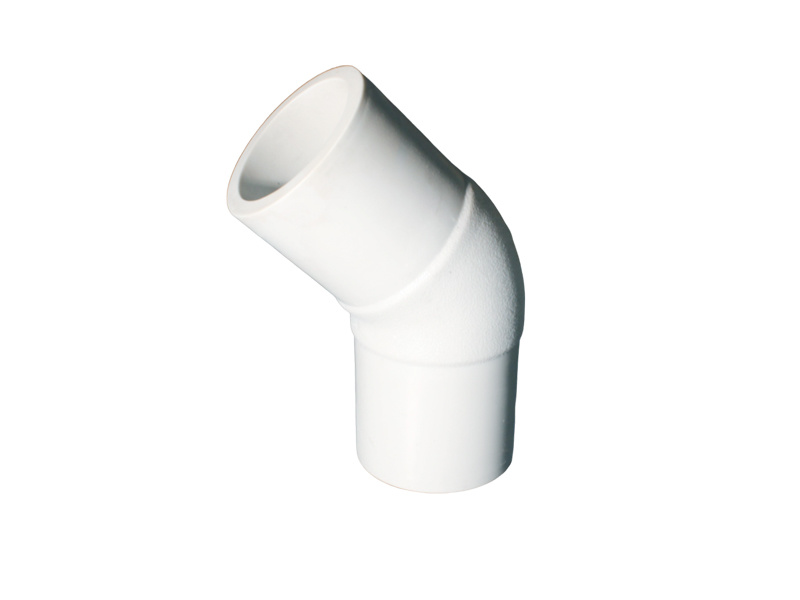
A Comprehensive Guide to Concentric Pipe Fittings: What You Need to Know
A Comprehensive Guide to Concentric Pipe Fittings: What You Need to Know Table of Contents Introduction to Concentric Pipe Fittings What Are Concentric Pipe Fittings? Types of Concentric Pipe Fittings Concentric Elbows Concentric Tees Concentric Reducers Applications of Concentric Pipe Fittings Choosing the Right Materials
30 Nov,2025
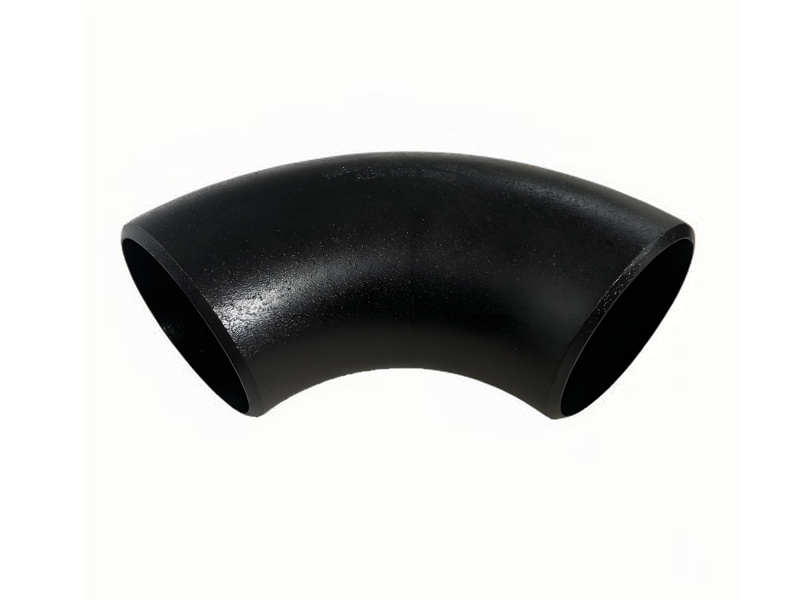
Understanding Forged Steel Elbows: Key Insights for Industry Professionals
Forged steel elbows are critical components in piping systems, particularly in construction and decorative applications where durability and reliability are paramount. These fittings are designed to change the direction of pipe runs, typically at angles of 45 or 90 degrees, effectively managing the flow of fluids or gases through the systems. The manufacturing process involves shaping steel under


Contact information
Address: North Ring Industrial Zone, Mengcun County
Telephone: 86 0317- 6729218 86 0317-6727320
Fax: 0317-6727310
mobile phone: 86 13833761688whatsapp: 86-13780271039
Email: shengyuanflange@163.comLeave Message