

-
Key Features of BS10 Table D Flanges You Should Know for Enhanced Performance
Date:
31 Aug,2025
Key Features of BS10 Table D Flanges You Should Know Introduction to BS10 Table D Flanges BS10 Table D flanges are a critical component in various piping systems across industries. They are designed to connect valves, pipes, pumps, and other equipment, providing a reliable and secure means of joining components. Understanding their key features is essential for those involved in construction a
Key Features of BS10 Table D Flanges You Should Know
Introduction to BS10 Table D Flanges
BS10 Table D flanges are a critical component in various piping systems across industries. They are designed to connect valves, pipes, pumps, and other equipment, providing a reliable and secure means of joining components. Understanding their key features is essential for those involved in construction and decorative projects where durability and functionality are paramount.
What are BS10 Table D Flanges?
BS10 Table D flanges adhere to the British Standard 10 (BS10) specification, which outlines the dimensions, tolerances, materials, and pressure ratings for flanges. These flanges are primarily used in low-pressure applications and are known for their robustness and compatibility with a range of pipe sizes and materials. The design features of BS10 Table D flanges make them ideal for various applications, from straightforward domestic settings to complex industrial environments.
Key Specifications of BS10 Table D Flanges
Understanding the specifications of BS10 Table D flanges is crucial for ensuring the right fit and performance in specific applications. Below are the primary specifications that outline their characteristics:
Dimensions and Size Variability
BS10 Table D flanges come in various sizes, typically ranging from 1 inch to 12 inches in diameter. This size variability allows for flexibility in application, accommodating different piping systems and requirements. The dimensions are standardized, ensuring compatibility across various systems and components.
Material Composition
The materials used to manufacture BS10 Table D flanges vary, commonly including carbon steel, stainless steel, and alloy steel. Each material offers specific properties:
- **Carbon Steel**: Known for its strength and durability, carbon steel flanges are ideal for high-pressure systems.
- **Stainless Steel**: Resistant to corrosion and high temperatures, stainless steel flanges are perfect for applications in harsh environments.
- **Alloy Steel**: These flanges provide enhanced strength and performance in extreme conditions.
Pressure Ratings
BS10 Table D flanges are available in various pressure ratings, typically ranging from 150 to 300 psi. This rating is essential for determining the flange's ability to withstand internal pressures without compromising integrity. Selecting the appropriate pressure rating is critical for ensuring safety and functionality in applications.
Design Features of BS10 Table D Flanges
The design of BS10 Table D flanges incorporates several features that enhance their usability and performance:
Flat Face and Raised Face Options
BS10 Table D flanges typically come in flat face or raised face designs. The **flat face** design ensures a larger area for contact, making it suitable for low-pressure applications, while the **raised face** design allows for improved sealing capabilities, ideal for higher pressure situations.
Drilling Patterns and Bolt Holes
The drilling pattern of BS10 Table D flanges is standardized, facilitating easy installation and maintenance. The number and arrangement of bolt holes are designed for secure fastening, ensuring reliability in high-stress applications.
Corrosion Resistance and Surface Treatment
To enhance durability, BS10 Table D flanges often undergo surface treatments, such as galvanization or painting, to prevent corrosion. Selecting the right treatment based on the application environment is crucial for prolonging the flange's lifespan.
Benefits of Using BS10 Table D Flanges
Utilizing BS10 Table D flanges offers multiple advantages for construction and decorative applications:
Enhanced Safety and Reliability
The robust design and material composition of BS10 Table D flanges contribute to their safety and reliability. They can withstand significant pressure and stress, minimizing the risk of failures or leaks in the piping system.
Cost-Effectiveness
Given their durability and longevity, BS10 Table D flanges present a cost-effective solution for many projects. While initial costs may vary depending on material choice, their extended service life reduces the need for frequent replacements or repairs.
Ease of Installation and Maintenance
The compatibility and standardized drilling patterns of BS10 Table D flanges simplify the installation process. Maintenance is also straightforward, as most flanges can be easily accessed for inspections and replacements.
Common Applications of BS10 Table D Flanges
BS10 Table D flanges are utilized in various sectors, showcasing their versatility:
Industrial Applications
In industrial settings, BS10 Table D flanges are often found in piping systems for water, gas, and steam. Their ability to handle various pressures and temperatures makes them suitable for processing plants, refineries, and manufacturing facilities.
Domestic Plumbing Systems
In residential settings, BS10 Table D flanges are used in plumbing systems for connecting pipes and fixtures. Their reliability ensures that household plumbing operates efficiently and safely.
HVAC Systems
Heating, ventilation, and air conditioning (HVAC) systems frequently employ BS10 Table D flanges for connecting ductwork and piping. Their durability ensures optimal airflow and temperature control within buildings.
Maintenance Tips for BS10 Table D Flanges
To ensure the longevity and performance of BS10 Table D flanges, proper maintenance is essential. Here are some effective tips:
Regular Inspections
Conducting regular inspections allows for the early detection of wear, corrosion, or damage. Inspecting the flanges for leaks or unusual wear patterns can prevent larger issues in the piping system.
Proper Sealing Techniques
When installing BS10 Table D flanges, using the correct sealing techniques is vital. Ensure that gaskets are compatible with the materials and pressures involved to prevent leaks and ensure a secure connection.
Cleaning and Surface Care
Keeping the flange surfaces clean is crucial for maintaining their integrity. Regularly remove debris, rust, or contaminants that may compromise the effectiveness of the flanges.
Frequently Asked Questions (FAQs)
1. What is the difference between flat face and raised face flanges?
Flat face flanges have a flat sealing surface, while raised face flanges have a small raised area around the bore. The raised face design provides better sealing capability, especially under higher pressure conditions.
2. Are BS10 Table D flanges suitable for high-temperature applications?
Yes, depending on the material used, BS10 Table D flanges can handle high-temperature applications. Stainless steel variants are particularly effective in such scenarios.
3. How do I determine the right size of BS10 Table D flanges for my project?
The right size can be determined by measuring the diameter of the pipes or components you wish to connect and selecting a flange that matches those specifications.
4. Can BS10 Table D flanges be reused after disassembly?
It depends on their condition after disassembly. If there is no visible damage or wear, they may be reused. However, it’s advisable to inspect gaskets and sealing surfaces for any signs of deterioration.
5. What materials are recommended for corrosive environments?
For corrosive environments, stainless steel or specially treated alloy flanges are recommended due to their resistance to corrosion and other environmental factors.
Conclusion
Understanding the key features of **BS10 Table D flanges** is paramount for professionals in the construction and decoration materials industry. From their specifications and design features to their benefits and applications, these flanges provide essential support for a wide range of piping systems. By utilizing proper maintenance practices and recognizing the advantages these flanges offer, you can significantly enhance the performance and longevity of your projects. Whether in industrial settings, domestic plumbing, or HVAC systems, BS10 Table D flanges stand out as a reliable choice for ensuring robust and efficient connections in your piping applications.Related News
04 Dec,2025
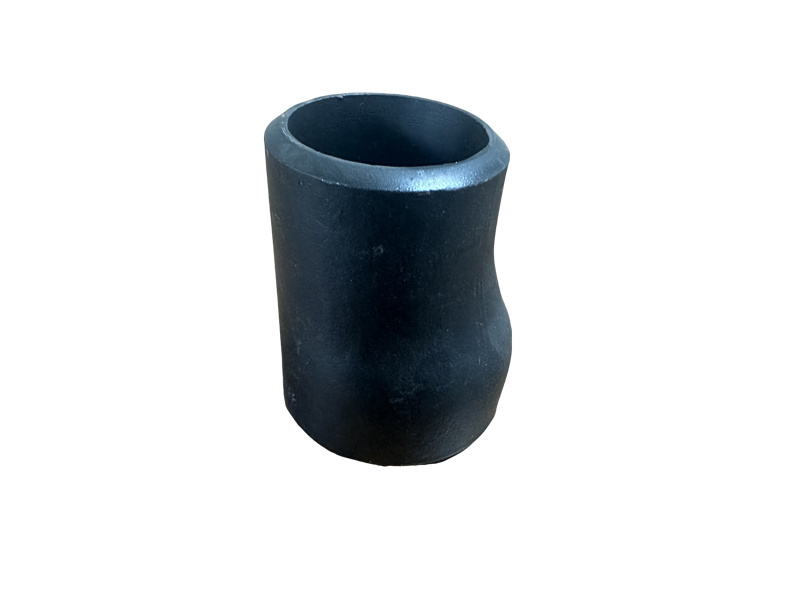
Understanding SS Concentric Reducers: A Critical Component in Pipe Fittings
In the realm of construction and decorative materials, particularly when it comes to pipe fittings, the SS concentric reducer stands out as a vital component. This type of fitting plays a crucial role in the efficient management of fluid flow in piping systems by facilitating the transition between pipes of different diameters. A concentric reducer is designed to connect two pipes with varying dia
02 Dec,2025
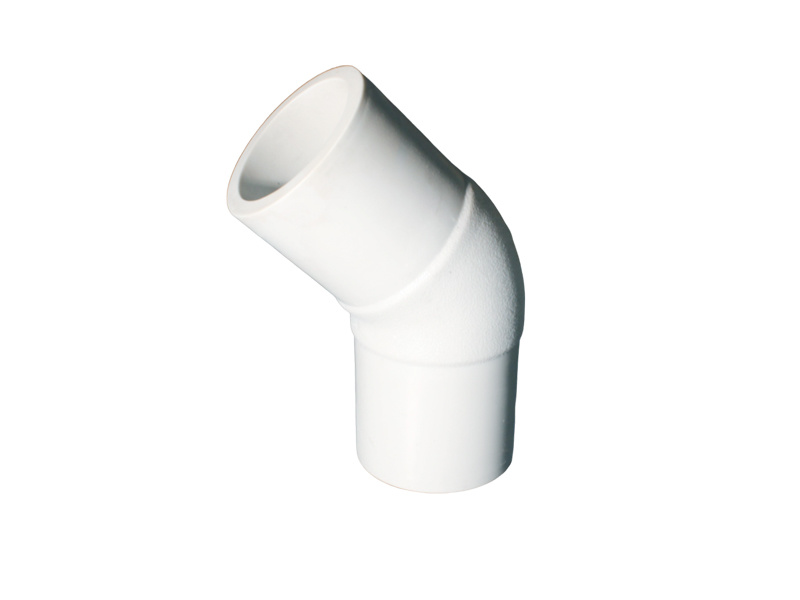
A Comprehensive Guide to Concentric Pipe Fittings: What You Need to Know
A Comprehensive Guide to Concentric Pipe Fittings: What You Need to Know Table of Contents Introduction to Concentric Pipe Fittings What Are Concentric Pipe Fittings? Types of Concentric Pipe Fittings Concentric Elbows Concentric Tees Concentric Reducers Applications of Concentric Pipe Fittings Choosing the Right Materials
30 Nov,2025
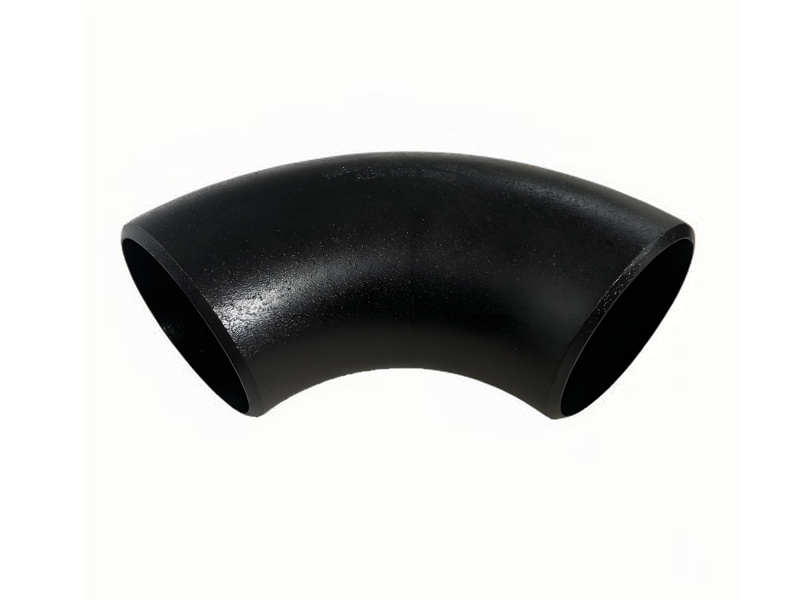
Understanding Forged Steel Elbows: Key Insights for Industry Professionals
Forged steel elbows are critical components in piping systems, particularly in construction and decorative applications where durability and reliability are paramount. These fittings are designed to change the direction of pipe runs, typically at angles of 45 or 90 degrees, effectively managing the flow of fluids or gases through the systems. The manufacturing process involves shaping steel under


Contact information
Address: North Ring Industrial Zone, Mengcun County
Telephone: 86 0317- 6729218 86 0317-6727320
Fax: 0317-6727310
mobile phone: 86 13833761688whatsapp: 86-13780271039
Email: shengyuanflange@163.comLeave Message