

-
Innovative Applications of Forged Steel Elbows in Modern Architecture
Date:
02 Sep,2025
Innovative Applications of Forged Steel Elbows in Modern Architecture Table of Contents 1. Introduction to Forged Steel Elbows in Architecture 2. Understanding the Basics: What are Forged Steel Elbows? 3. The Advantages of Using Forged Steel Elbows in Construction 3.1 Enhanced Durability and Strength 3.2 Design Flexibility and Aesthetic Appeal 4. Innovative Design Applications of Forged Steel Elbo
Innovative Applications of Forged Steel Elbows in Modern Architecture
Table of Contents
1. Introduction to Forged Steel Elbows in Architecture
2. Understanding the Basics: What are Forged Steel Elbows?
3. The Advantages of Using Forged Steel Elbows in Construction
3.1 Enhanced Durability and Strength
3.2 Design Flexibility and Aesthetic Appeal
4. Innovative Design Applications of Forged Steel Elbows
4.1 Structural Support Systems
4.2 Decorative Elements in Modern Architecture
4.3 Sustainable Building Practices
5. Case Studies: Successful Usage in Modern Architectural Projects
5.1 High-Rise Buildings
5.2 Bridges and Public Infrastructure
5.3 Residential Developments
6. Future Trends in the Use of Forged Steel Elbows
7. FAQs about Forged Steel Elbows in Architecture
8. Conclusion
1. Introduction to Forged Steel Elbows in Architecture
In the ever-evolving realm of architecture, **forged steel elbows** are gaining traction as a pivotal component in modern designs. These steel fittings, often overlooked, play a crucial role in both structural integrity and aesthetic innovation. As the industry moves toward more sustainable and creative solutions, understanding the diverse applications of forged steel elbows becomes essential for architects and builders alike.
2. Understanding the Basics: What are Forged Steel Elbows?
Forged steel elbows are pipe fittings created through a process involving high-pressure forging. This technique results in a product that exhibits superior strength and durability compared to standard welded fittings. Typically used to change the direction of pipelines in plumbing and HVAC systems, their application has expanded significantly in architectural contexts.
These elbows come in various angles, such as 90-degree and 45-degree bends, and are available in different sizes and wall thicknesses to meet specific project requirements. Their ability to withstand high pressure and temperature makes them ideal for both functional and aesthetic uses in modern architecture.
3. The Advantages of Using Forged Steel Elbows in Construction
The incorporation of forged steel elbows into architectural designs offers several advantages that contribute to their growing popularity.
3.1 Enhanced Durability and Strength
One of the primary benefits of forged steel elbows is their remarkable strength. Unlike other fittings, these elbows endure significant stress, making them suitable for high-load applications. Their durability ensures longevity, reducing the need for frequent repairs or replacements, which is particularly advantageous in large-scale projects.
3.2 Design Flexibility and Aesthetic Appeal
In modern architecture, aesthetics play a vital role. Forged steel elbows can be utilized not only for functional purposes but also as **design elements** that enhance the overall visual appeal of a structure. They can be finished in various ways—brushed, polished, or coated—to blend seamlessly with contemporary designs that prioritize style and innovation.
4. Innovative Design Applications of Forged Steel Elbows
The versatility of forged steel elbows allows architects to explore innovative applications that push the boundaries of traditional construction methods.
4.1 Structural Support Systems
Forged steel elbows are integral to creating robust structural support systems that ensure the safety and stability of a building. Their ability to connect different sections of steel piping or frames results in a more cohesive and resilient structure. In high-rise buildings, these elbows are crucial in maintaining structural integrity, particularly in seismic zones.
4.2 Decorative Elements in Modern Architecture
Beyond their structural role, forged steel elbows can serve as striking decorative features. Architects are increasingly using these fittings to create unique visual statements, integrating them into handrails, lighting fixtures, and other design elements. The raw, industrial look of steel can complement a variety of styles, from minimalist to industrial chic.
4.3 Sustainable Building Practices
In an era of heightened environmental awareness, the use of forged steel elbows aligns with **sustainable building practices**. Steel is a recyclable material, and leveraging it in construction minimizes waste. Additionally, the longevity of forged steel fittings contributes to lower resource consumption over a building's lifecycle.
5. Case Studies: Successful Usage in Modern Architectural Projects
Several architectural projects have successfully integrated forged steel elbows, demonstrating their versatility and functionality.
5.1 High-Rise Buildings
In urban environments, high-rise buildings often face unique structural challenges. Forged steel elbows have been effectively used in the design of these towering structures, facilitating complex piping systems for heating, cooling, and plumbing while maintaining an aesthetic appeal that complements the modern skyline.
5.2 Bridges and Public Infrastructure
Bridges represent another area where forged steel elbows showcase their strength and reliability. Engineers utilize these fittings in various components, ensuring the safety and durability of essential infrastructure. Their ability to withstand environmental stressors makes them a go-to choice in bridge construction.
5.3 Residential Developments
In residential architecture, forged steel elbows are increasingly being incorporated into innovative design solutions. From creating open-concept spaces to functional plumbing systems, these fittings help maximize both utility and style in home construction.
6. Future Trends in the Use of Forged Steel Elbows
As the architectural landscape continues to evolve, several trends are likely to shape the future use of forged steel elbows. The push towards smart buildings equipped with advanced plumbing and HVAC systems will necessitate the continued innovation of these fittings. Moreover, as aesthetic preferences shift, we can expect to see even more creative applications of forged steel elbows in architectural design.
7. FAQs about Forged Steel Elbows in Architecture
What is the primary advantage of using forged steel elbows over other types of fittings?
The primary advantage is their enhanced strength and durability, making them ideal for high-load applications.
Can forged steel elbows be used for decorative purposes?
Yes, they can serve as striking decorative elements in various architectural designs.
Are forged steel elbows environmentally friendly?
Yes, steel is a recyclable material, and their longevity contributes to sustainable building practices.
What types of projects commonly use forged steel elbows?
They are widely used in high-rise buildings, bridges, and residential developments.
How do forged steel elbows contribute to building safety?
Their strength allows for better structural integrity, which is crucial in high-stress environments.
8. Conclusion
Forged steel elbows have emerged as a vital component in modern architecture, bridging the gap between functionality and aesthetic appeal. Their remarkable strength, versatility, and potential for innovative applications make them indispensable in today's construction landscape. As architects and builders continue to explore new design frontiers, the role of forged steel elbows will undoubtedly expand, offering exciting possibilities for the future of architecture. Embracing these fittings not only enhances structural integrity but also contributes to the sustainable evolution of architectural practices, ensuring a resilient and beautiful built environment for years to come.Related News
04 Dec,2025
Understanding SS Concentric Reducers: A Critical Component in Pipe Fittings
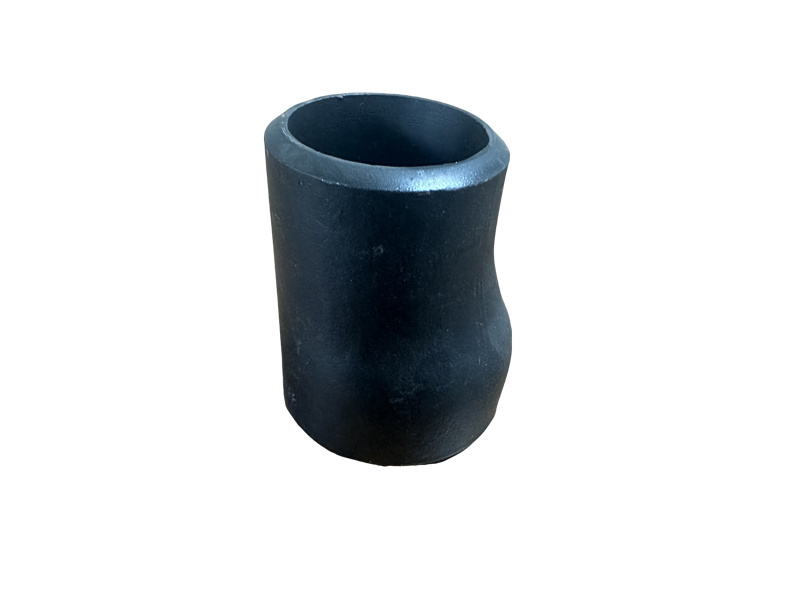
In the realm of construction and decorative materials, particularly when it comes to pipe fittings, the SS concentric reducer stands out as a vital component. This type of fitting plays a crucial role in the efficient management of fluid flow in piping systems by facilitating the transition between pipes of different diameters. A concentric reducer is designed to connect two pipes with varying dia
02 Dec,2025
A Comprehensive Guide to Concentric Pipe Fittings: What You Need to Know
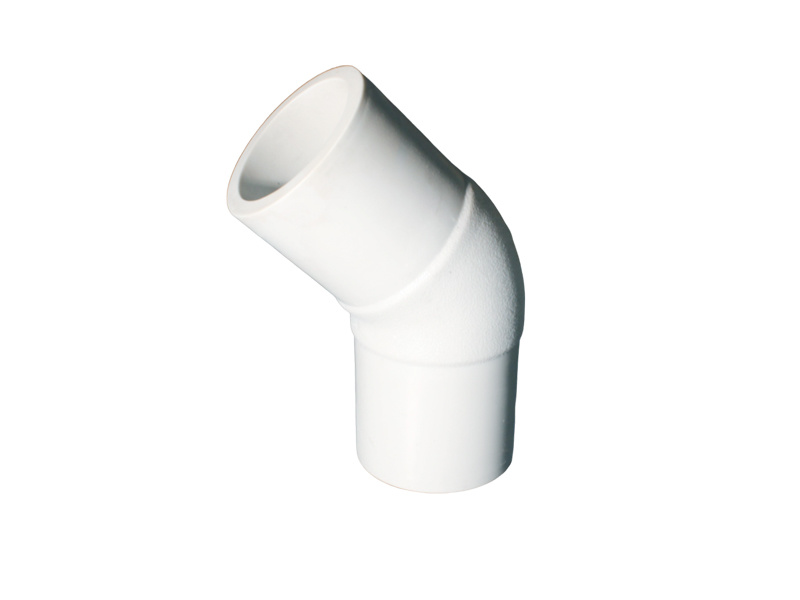
A Comprehensive Guide to Concentric Pipe Fittings: What You Need to Know Table of Contents Introduction to Concentric Pipe Fittings What Are Concentric Pipe Fittings? Types of Concentric Pipe Fittings Concentric Elbows Concentric Tees Concentric Reducers Applications of Concentric Pipe Fittings Choosing the Right Materials
30 Nov,2025
Understanding Forged Steel Elbows: Key Insights for Industry Professionals
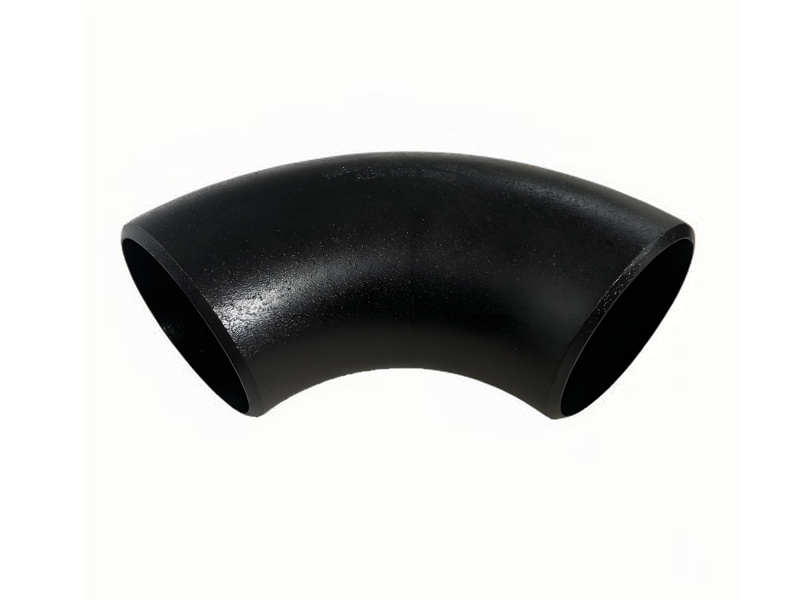
Forged steel elbows are critical components in piping systems, particularly in construction and decorative applications where durability and reliability are paramount. These fittings are designed to change the direction of pipe runs, typically at angles of 45 or 90 degrees, effectively managing the flow of fluids or gases through the systems. The manufacturing process involves shaping steel under


Contact information
Address: North Ring Industrial Zone, Mengcun County
Telephone: 86 0317- 6729218 86 0317-6727320
Fax: 0317-6727310
mobile phone: 86 13833761688whatsapp: 86-13780271039
Email: shengyuanflange@163.comLeave Message