

-
The Essential Role of BS10 Table D Flanges in Modern Plumbing Systems
Date:
08 Sep,2025
The Essential Role of BS10 Table D Flanges in Modern Plumbing Systems In the intricate world of plumbing systems, the components that hold everything together often go unnoticed. Among these crucial elements are **BS10 Table D flanges**. These specialized flanges play an essential role in ensuring the integrity and efficiency of modern plumbing systems. In this article, we will delve deep into the
The Essential Role of BS10 Table D Flanges in Modern Plumbing Systems
In the intricate world of plumbing systems, the components that hold everything together often go unnoticed. Among these crucial elements are **BS10 Table D flanges**. These specialized flanges play an essential role in ensuring the integrity and efficiency of modern plumbing systems. In this article, we will delve deep into the significance, applications, and best practices associated with BS10 Table D flanges.
Table of Contents
- 1. Introduction to BS10 Table D Flanges
- 2. Understanding Flange Design and Specifications
- 3. Applications of BS10 Table D Flanges in Plumbing
- 4. Advantages of Using BS10 Table D Flanges
- 5. Installation Best Practices for BS10 Table D Flanges
- 6. Maintenance and Care of BS10 Table D Flanges
- 7. Troubleshooting Common Issues with BS10 Table D Flanges
- 8. The Future of Flanges in Modern Plumbing Systems
- 9. FAQs About BS10 Table D Flanges
- 10. Conclusion
1. Introduction to BS10 Table D Flanges
BS10 Table D flanges are part of the British Standard (BS) for flanged joints, specifically designed for piping systems that require reliable and robust connections. These flanges are widely recognized for their versatility and durability, making them suitable for various applications in plumbing systems. Their design allows for easy assembly and disassembly, ensuring straightforward maintenance and repair processes.
2. Understanding Flange Design and Specifications
The design of BS10 Table D flanges adheres to strict specifications, which are critical to their functionality. These flanges are characterized by specific dimensions, which include:
- **Diameter:** The outer diameter of the flange affects the fitting compatibility with pipe sizes.
- **Thickness:** The thickness of the flange contributes to its strength and ability to withstand pressure.
- **Bolt Holes:** Properly spaced bolt holes allow for secure fastening to prevent leaks.
Understanding these design specifications is crucial for engineers and plumbers when selecting the appropriate flange for a particular application.
Material Choices for BS10 Table D Flanges
The materials used in the production of BS10 Table D flanges significantly influence their performance and longevity. Common materials include:
- **Carbon Steel:** Known for its strength and durability, carbon steel is often used in high-pressure applications.
- **Stainless Steel:** Preferred for corrosive environments, stainless steel flanges offer excellent resistance to rust and degradation.
- **Ductile Iron:** This material provides enhanced strength and wear resistance, making it suitable for heavy-duty applications.
Choosing the right material based on environmental conditions and pressure requirements is essential for ensuring the reliability of plumbing systems.
3. Applications of BS10 Table D Flanges in Plumbing
BS10 Table D flanges are employed in a wide range of plumbing applications. Their versatility allows them to be used in:
- **Water Supply Systems:** Connecting pipes in municipal and industrial water supply lines.
- **Drainage Systems:** Facilitating connections in sewage and wastewater systems.
- **Heating Systems:** Assisting in the distribution of hot water in residential and commercial heating systems.
- **Fire Protection Systems:** Ensuring reliable connections for fire sprinkler systems.
These applications highlight the adaptability of BS10 Table D flanges in meeting the diverse needs of modern plumbing infrastructures.
4. Advantages of Using BS10 Table D Flanges
The use of BS10 Table D flanges in plumbing systems offers numerous advantages, including:
- **Ease of Installation:** The design allows for quick assembly and disassembly, reducing installation time.
- **Leak Prevention:** Properly installed flanges create a secure seal that minimizes the risk of leaks.
- **Maintenance Accessibility:** Flanged joints make it easier to access and maintain plumbing systems without extensive disassembly.
- **Versatile Compatibility:** Available in various sizes and materials, these flanges can be easily integrated into different plumbing systems.
These benefits make BS10 Table D flanges a preferred choice for plumbing professionals across various industries.
5. Installation Best Practices for BS10 Table D Flanges
To ensure the longevity and reliability of BS10 Table D flanges, following best practices during installation is crucial. Here are some key steps:
Preparation Before Installation
- **Inspect Components:** Before installation, inspect the flanges, gaskets, and bolts for any defects.
- **Clean Surfaces:** Ensure that the surfaces of the pipes and flanges are clean and free from debris.
Installation Steps
1. **Align Flanges:** Properly align the flanges with the connecting pipes, ensuring that bolt holes are evenly spaced.
2. **Insert Gasket:** Place a suitable gasket between the flanges to create a tight seal.
3. **Tighten Bolts Evenly:** Gradually tighten the bolts in a crisscross pattern to evenly distribute pressure and avoid warping the flange.
4. **Check for Leaks:** After installation, test the joint for leaks before putting the system into full operation.
By following these installation practices, plumbers can ensure a secure and efficient connection that enhances overall system integrity.
6. Maintenance and Care of BS10 Table D Flanges
Regular maintenance is vital in extending the lifespan of BS10 Table D flanges and preventing potential issues. Here are some maintenance tips:
Routine Inspections
- **Visual Checks:** Regularly inspect flanges for signs of corrosion, leaks, or damage.
- **Tightness Checks:** Ensure that bolts remain tight and secure over time, as vibrations and pressure changes can lead to loosening.
Cleaning
- **Debris Removal:** Keep flanges free of dirt and debris to prevent corrosion and maintain optimal performance.
- **Chemical Cleaners:** Use appropriate chemical cleaners to avoid damaging the flange material.
Adhering to these maintenance practices will help in sustaining the efficiency and reliability of plumbing systems featuring BS10 Table D flanges.
7. Troubleshooting Common Issues with BS10 Table D Flanges
While BS10 Table D flanges are designed for durability, some common issues may arise. Here are potential problems and their troubleshooting steps:
Leakage
- **Cause:** Often caused by improper installation or gasket failure.
- **Solution:** Re-examine the installation, ensuring proper alignment and tightening of bolts. Replace the gasket if necessary.
Corrosion
- **Cause:** Exposure to moisture and chemicals can lead to corrosion over time.
- **Solution:** Regularly inspect for signs of corrosion and replace flanges when necessary. Consider using corrosion-resistant materials for replacement.
By identifying and addressing these common issues, plumbing professionals can maintain the integrity of their systems and ensure optimal performance.
8. The Future of Flanges in Modern Plumbing Systems
As technology continues to advance, the future of flanges, including BS10 Table D flanges, looks promising. Innovations in materials and design are likely to enhance their performance and durability. Additionally, the increasing focus on sustainable practices may lead to the development of eco-friendly flange options that reduce environmental impact.
Emerging technologies such as smart plumbing systems may also integrate advanced monitoring solutions for flanges, allowing for real-time assessments of system integrity and performance. These developments will undoubtedly elevate the essential role of BS10 Table D flanges in modern plumbing.
9. FAQs About BS10 Table D Flanges
What is a BS10 Table D flange?
A BS10 Table D flange is a type of flange specified by British Standards, designed for robust connections in plumbing systems.
What materials are typically used for BS10 Table D flanges?
Common materials include carbon steel, stainless steel, and ductile iron, each chosen for different environmental conditions and pressure requirements.
How do you install BS10 Table D flanges correctly?
Ensure proper alignment, use a gasket, tighten bolts evenly in a crisscross pattern, and check for leaks after installation.
What are the advantages of using BS10 Table D flanges?
They offer ease of installation, leak prevention, maintenance accessibility, and versatile compatibility with various plumbing systems.
How can I maintain BS10 Table D flanges?
Regularly inspect for leaks and corrosion, keep them clean, and ensure bolts remain tight to maintain their effectiveness.
10. Conclusion
In conclusion, BS10 Table D flanges are indispensable components in modern plumbing systems. Their design, versatility, and reliability make them an essential choice for various applications, from water supply to drainage systems. By adhering to best practices in installation and maintenance, plumbing professionals can ensure the long-term performance and efficiency of their systems. As we look toward the future, advancements in flange technology will only enhance their vital role in plumbing, making them more robust and sustainable. Embracing these innovations will ensure that BS10 Table D flanges continue to meet the demands of modern plumbing for years to come.Related News
04 Dec,2025
Understanding SS Concentric Reducers: A Critical Component in Pipe Fittings
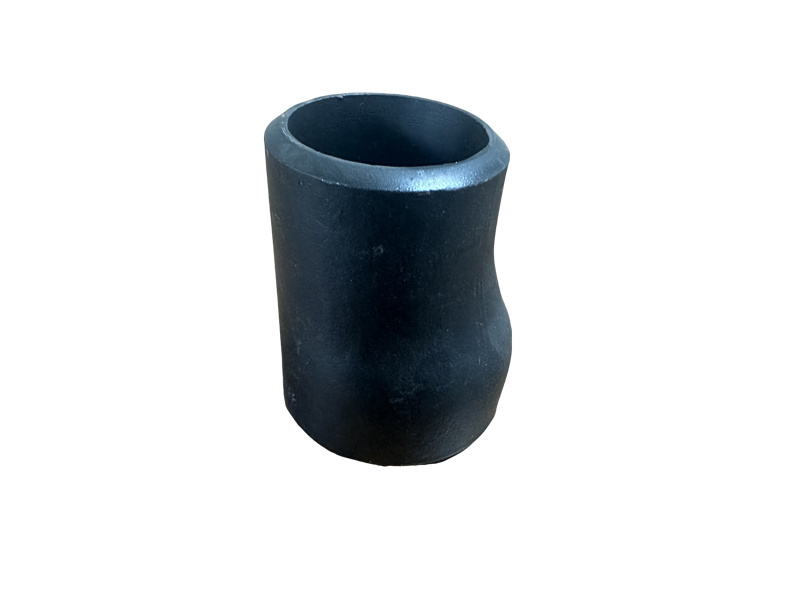
In the realm of construction and decorative materials, particularly when it comes to pipe fittings, the SS concentric reducer stands out as a vital component. This type of fitting plays a crucial role in the efficient management of fluid flow in piping systems by facilitating the transition between pipes of different diameters. A concentric reducer is designed to connect two pipes with varying dia
02 Dec,2025
A Comprehensive Guide to Concentric Pipe Fittings: What You Need to Know
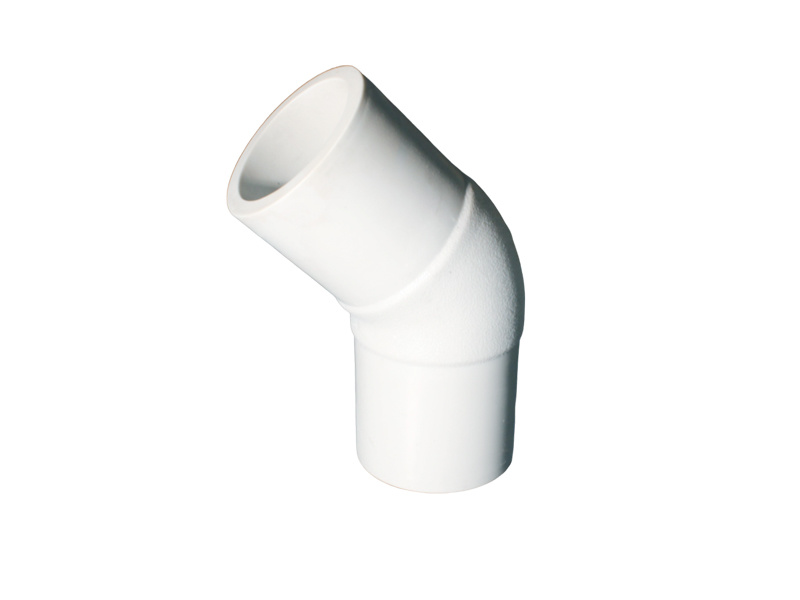
A Comprehensive Guide to Concentric Pipe Fittings: What You Need to Know Table of Contents Introduction to Concentric Pipe Fittings What Are Concentric Pipe Fittings? Types of Concentric Pipe Fittings Concentric Elbows Concentric Tees Concentric Reducers Applications of Concentric Pipe Fittings Choosing the Right Materials
30 Nov,2025
Understanding Forged Steel Elbows: Key Insights for Industry Professionals
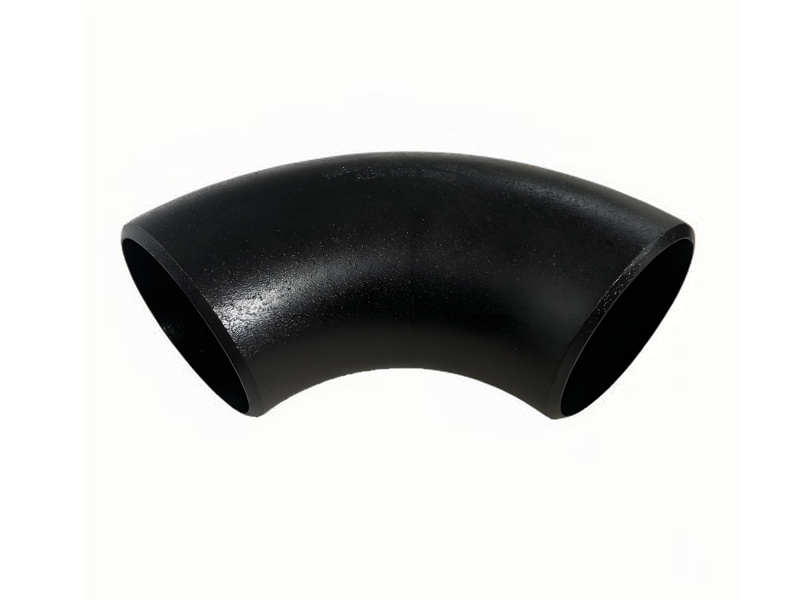
Forged steel elbows are critical components in piping systems, particularly in construction and decorative applications where durability and reliability are paramount. These fittings are designed to change the direction of pipe runs, typically at angles of 45 or 90 degrees, effectively managing the flow of fluids or gases through the systems. The manufacturing process involves shaping steel under


Contact information
Address: North Ring Industrial Zone, Mengcun County
Telephone: 86 0317- 6729218 86 0317-6727320
Fax: 0317-6727310
mobile phone: 86 13833761688whatsapp: 86-13780271039
Email: shengyuanflange@163.comLeave Message