

-
Understanding Butt Weld Elbows: Essential Components in Construction and Decoration
Date:
19 Sep,2025
In the realm of construction and decorative materials, butt weld elbows stand out as crucial components, particularly in piping systems. These fittings are designed to connect two pipes at a specific angle, typically 90 or 45 degrees, allowing for seamless directional changes in the pipe layout. The term "butt weld" refers to the method of joining the pipes—where the ends of the pipes are aligned
In the realm of construction and decorative materials, butt weld elbows stand out as crucial components, particularly in piping systems. These fittings are designed to connect two pipes at a specific angle, typically 90 or 45 degrees, allowing for seamless directional changes in the pipe layout. The term "butt weld" refers to the method of joining the pipes—where the ends of the pipes are aligned and welded together, forming a strong and durable connection.
One of the primary advantages of using butt weld elbows is their strength and integrity. The welding process creates a continuous connection, reducing the likelihood of leaks and ensuring a robust system that can withstand high pressures and temperatures. This is particularly important in industries where fluid transport is critical, such as oil and gas, water supply, and even HVAC systems.
Additionally, butt weld elbows are often favored for their smooth interior surfaces, which facilitate better fluid flow and reduce the risk of turbulence. This characteristic is essential in applications where efficiency is paramount. The absence of protruding fittings means there are fewer areas for sediment and debris to accumulate, promoting a cleaner and more efficient system.
However, when considering the use of butt weld elbows, several factors should be taken into account. The material of the elbow must match that of the pipes to ensure compatibility and maintain the system's integrity. Common materials used include carbon steel, stainless steel, and sometimes plastic composites, each serving different purposes based on the environment and fluid being transported.
Installation of butt weld elbows requires skilled labor, as the welding process must be executed correctly to avoid potential failures. Improper welding can lead to weak joints that may fail under stress, resulting in costly repairs and downtime. Therefore, it is advisable to engage experienced professionals who can ensure a precise and secure installation.
In summary, butt weld elbows are indispensable elements in the construction and decoration materials industry, known for their strength, efficiency, and reliability. Understanding their functionality and the factors affecting their use can help professionals make informed decisions when designing and implementing piping systems. As always, thorough consideration of materials, skilled installation, and maintenance practices will contribute to the longevity and effectiveness of these fittings in various applications.Related News
04 Dec,2025
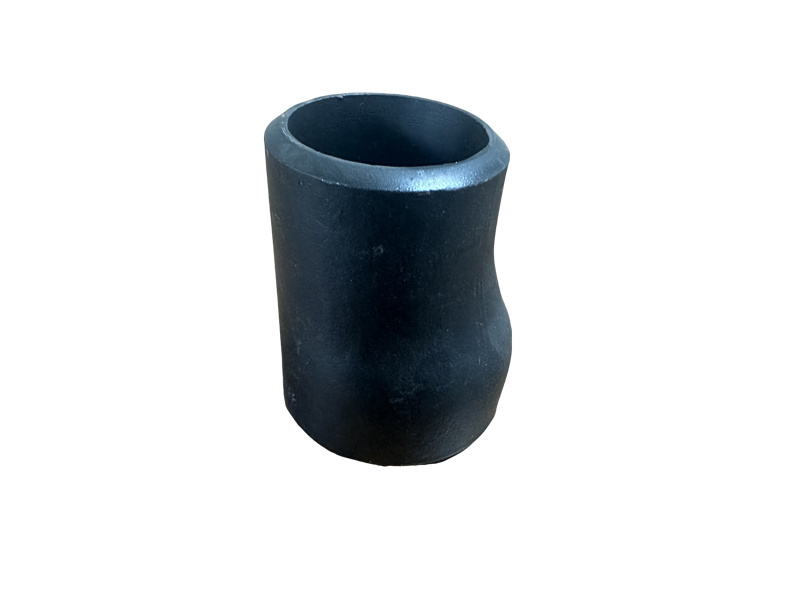
Understanding SS Concentric Reducers: A Critical Component in Pipe Fittings
In the realm of construction and decorative materials, particularly when it comes to pipe fittings, the SS concentric reducer stands out as a vital component. This type of fitting plays a crucial role in the efficient management of fluid flow in piping systems by facilitating the transition between pipes of different diameters. A concentric reducer is designed to connect two pipes with varying dia
02 Dec,2025
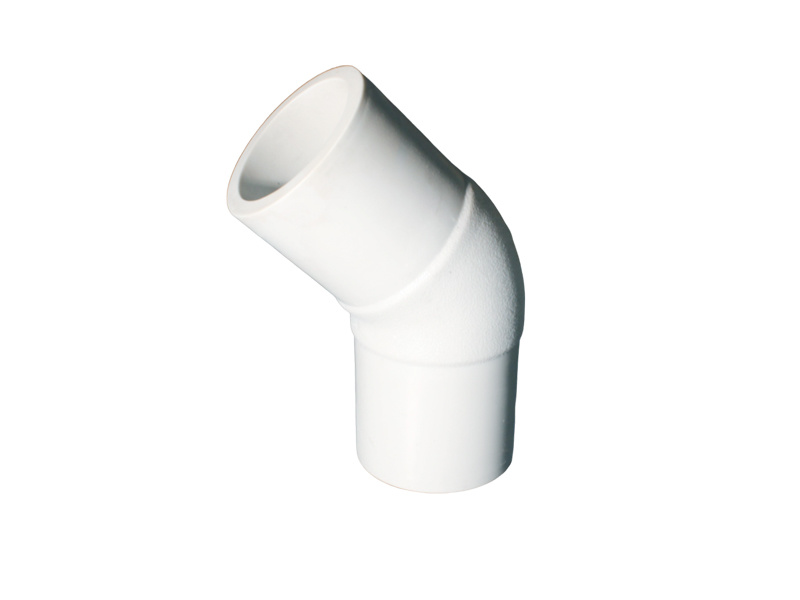
A Comprehensive Guide to Concentric Pipe Fittings: What You Need to Know
A Comprehensive Guide to Concentric Pipe Fittings: What You Need to Know Table of Contents Introduction to Concentric Pipe Fittings What Are Concentric Pipe Fittings? Types of Concentric Pipe Fittings Concentric Elbows Concentric Tees Concentric Reducers Applications of Concentric Pipe Fittings Choosing the Right Materials
30 Nov,2025
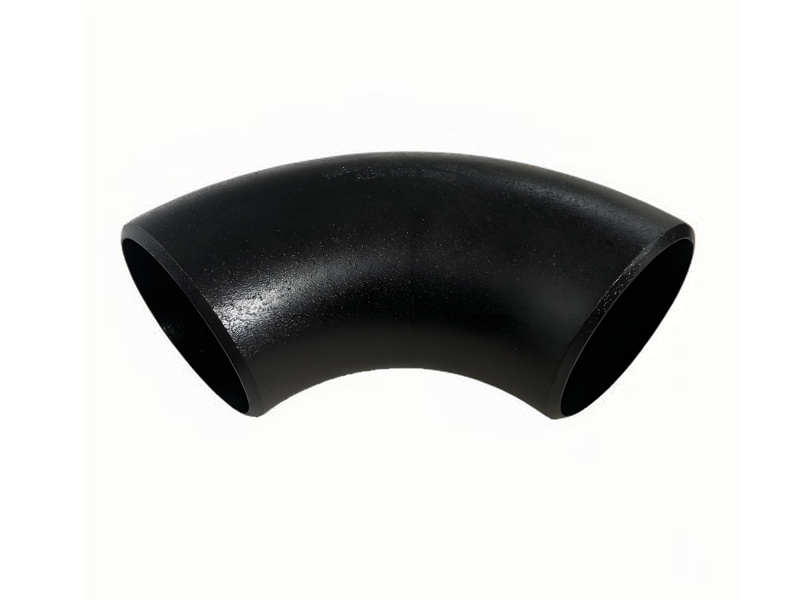
Understanding Forged Steel Elbows: Key Insights for Industry Professionals
Forged steel elbows are critical components in piping systems, particularly in construction and decorative applications where durability and reliability are paramount. These fittings are designed to change the direction of pipe runs, typically at angles of 45 or 90 degrees, effectively managing the flow of fluids or gases through the systems. The manufacturing process involves shaping steel under


Contact information
Address: North Ring Industrial Zone, Mengcun County
Telephone: 86 0317- 6729218 86 0317-6727320
Fax: 0317-6727310
mobile phone: 86 13833761688whatsapp: 86-13780271039
Email: shengyuanflange@163.comLeave Message