

-
Exploring the Versatile Applications of BS10 Table D Flanges in the Construction Industry
Date:
24 Sep,2025
Exploring the Versatile Applications of BS10 Table D Flanges in the Construction Industry Table of Contents 1. Introduction to BS10 Table D Flanges 2. What Are BS10 Table D Flanges? 3. Design Standards and Specifications 4. Applications of BS10 Table D Flanges in Construction 5. Key Benefits of Using BS10 Table D Flanges 6. Installation and Maintenance Considerations 7
Exploring the Versatile Applications of BS10 Table D Flanges in the Construction Industry
Table of Contents
- 1. Introduction to BS10 Table D Flanges
- 2. What Are BS10 Table D Flanges?
- 3. Design Standards and Specifications
- 4. Applications of BS10 Table D Flanges in Construction
- 5. Key Benefits of Using BS10 Table D Flanges
- 6. Installation and Maintenance Considerations
- 7. Common Questions About BS10 Table D Flanges
- 8. Conclusion
1. Introduction to BS10 Table D Flanges
In the complex world of construction, the choice of materials and components can greatly influence the efficiency and safety of a project. Among these, **BS10 Table D flanges** stand out as a vital component used in various applications, particularly in piping systems. Understanding the properties and applications of these flanges not only enhances construction practices but also optimizes system performance and durability.
2. What Are BS10 Table D Flanges?
**BS10 Table D flanges** are part of a British Standard specification that defines the dimensions, tolerances, and materials for various types of flanges used in piping systems. Specifically designed for low-pressure applications, these flanges typically have a thicker profile compared to other types, making them suitable for a range of construction scenarios.
Flanges are essentially mechanical components that connect two sections of piping, allowing for easy assembly and disassembly. The BS10 Table D flanges are characterized by their robust design, which provides an effective sealing surface, ensuring leak-proof connections.
3. Design Standards and Specifications
BS10 Table D flanges adhere to specific design standards that ensure their reliability and performance. These include:
- **Dimensions**: The standard provides precise dimensions for the flanges, including bolt hole patterns and diameters.
- **Material Specifications**: Typically, they are made from materials such as carbon steel, stainless steel, or other alloys, chosen based on the application requirements.
- **Pressure Ratings**: Designed primarily for low-pressure applications, BS10 Table D flanges can handle pressures up to 10 bar.
Understanding these specifications is crucial for engineers and construction professionals when selecting the appropriate flange type for their projects.
4. Applications of BS10 Table D Flanges in Construction
BS10 Table D flanges find their applications across various sectors within the construction industry. Some notable applications include:
4.1 Water Supply Systems
In water supply systems, **BS10 Table D flanges** provide secure connections between pipes, pumps, and valves, ensuring efficient water flow and pressure management.
4.2 HVAC Systems
For HVAC (Heating, Ventilation, and Air Conditioning) systems, these flanges are crucial in connecting ductwork and piping, allowing for effective temperature control and air distribution.
4.3 Chemical Processing
In chemical processing plants, durability and resistance to corrosion are paramount. BS10 Table D flanges, made from appropriate materials, are ideal for safely transporting various chemicals.
4.4 Oil and Gas Industry
The oil and gas sector frequently utilizes these flanges for connecting pipelines, ensuring safe and leak-proof operations in challenging environments.
4.5 Industrial Manufacturing
In industrial manufacturing, BS10 Table D flanges are used to connect machinery and equipment, playing a crucial role in maintaining operational efficiency.
5. Key Benefits of Using BS10 Table D Flanges
Selecting BS10 Table D flanges offers a plethora of advantages for construction projects:
5.1 Enhanced Safety
The robust design of these flanges reduces the risk of leaks, contributing to safer construction practices and compliance with regulatory standards.
5.2 Versatility
BS10 Table D flanges are versatile, suitable for various applications ranging from water supply to chemical processing, accommodating different project requirements.
5.3 Cost-Effectiveness
Using these flanges can lead to significant cost savings in the long run due to their durability and low maintenance requirements.
5.4 Simplified Installation
The design of BS10 Table D flanges allows for quick and easy installation, reducing labor time and overall project duration.
6. Installation and Maintenance Considerations
Proper installation and maintenance of BS10 Table D flanges are essential for ensuring their longevity and performance.
6.1 Installation Guidelines
When installing these flanges, follow these guidelines:
- Ensure that the flange surfaces are clean and free from debris.
- Use the correct type and size of bolts and gaskets.
- Tighten bolts in a crisscross pattern to ensure even pressure distribution.
6.2 Maintenance Practices
Regular maintenance checks should be conducted to identify any signs of wear or corrosion. Replace gaskets as needed and ensure bolts are tightened to maintain a secure connection.
7. Common Questions About BS10 Table D Flanges
7.1 What is the difference between BS10 Table D and other flanges?
BS10 Table D flanges are designed specifically for low-pressure applications, while other flanges may cater to different pressure and temperature ranges.
7.2 Can BS10 Table D flanges be reused?
Yes, they can be reused, provided they show no signs of wear or damage during inspection.
7.3 What materials are BS10 Table D flanges made from?
They are commonly made from carbon steel, stainless steel, or other alloys, depending on the specific application requirements.
7.4 How do I determine the correct size of BS10 Table D flange for my project?
To determine the correct size, refer to the project specifications and the dimensions outlined in the BS10 Table D standard.
7.5 Are there any specific certifications required for using BS10 Table D flanges?
While no specific certifications are mandatory, it’s crucial to ensure that the flanges meet industry standards and regulations applicable to your project.
8. Conclusion
In conclusion, **BS10 Table D flanges** play a vital role in the construction industry by providing reliable connections in various applications. Their robust design, adherence to strict standards, and versatility make them an ideal choice for construction professionals. By understanding their benefits and proper installation techniques, one can significantly enhance the efficiency and safety of construction projects. As the industry evolves, these flanges will continue to be a cornerstone in ensuring effective and durable construction solutions.Related News
04 Dec,2025
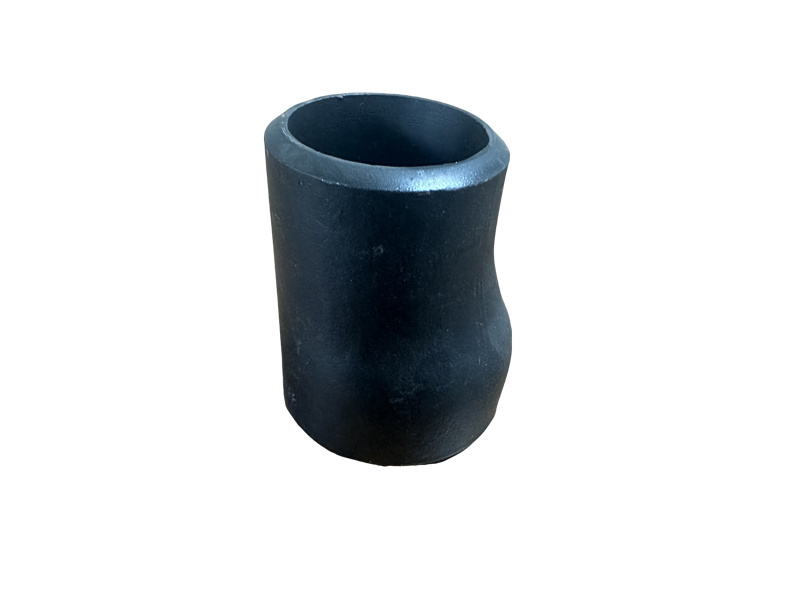
Understanding SS Concentric Reducers: A Critical Component in Pipe Fittings
In the realm of construction and decorative materials, particularly when it comes to pipe fittings, the SS concentric reducer stands out as a vital component. This type of fitting plays a crucial role in the efficient management of fluid flow in piping systems by facilitating the transition between pipes of different diameters. A concentric reducer is designed to connect two pipes with varying dia
02 Dec,2025
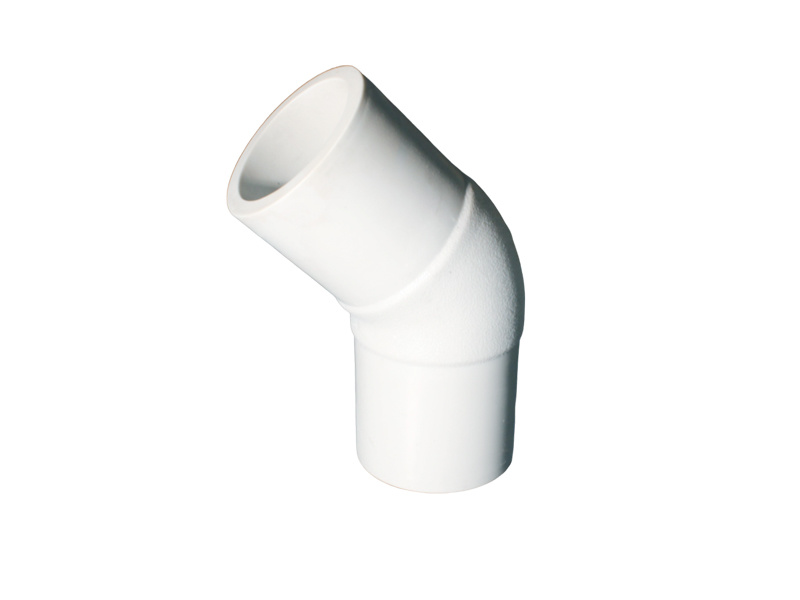
A Comprehensive Guide to Concentric Pipe Fittings: What You Need to Know
A Comprehensive Guide to Concentric Pipe Fittings: What You Need to Know Table of Contents Introduction to Concentric Pipe Fittings What Are Concentric Pipe Fittings? Types of Concentric Pipe Fittings Concentric Elbows Concentric Tees Concentric Reducers Applications of Concentric Pipe Fittings Choosing the Right Materials
30 Nov,2025
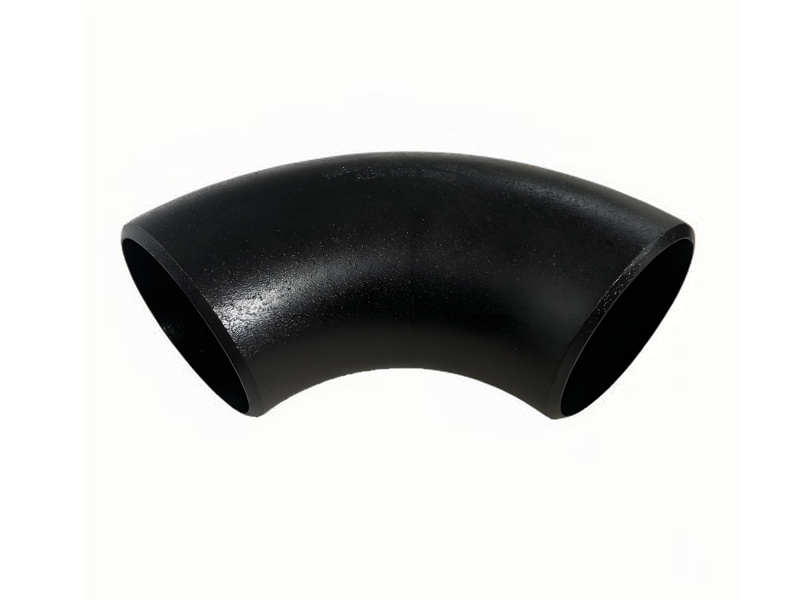
Understanding Forged Steel Elbows: Key Insights for Industry Professionals
Forged steel elbows are critical components in piping systems, particularly in construction and decorative applications where durability and reliability are paramount. These fittings are designed to change the direction of pipe runs, typically at angles of 45 or 90 degrees, effectively managing the flow of fluids or gases through the systems. The manufacturing process involves shaping steel under


Contact information
Address: North Ring Industrial Zone, Mengcun County
Telephone: 86 0317- 6729218 86 0317-6727320
Fax: 0317-6727310
mobile phone: 86 13833761688whatsapp: 86-13780271039
Email: shengyuanflange@163.comLeave Message