

-
Innovations in JIS B2220 10K Flange: Shaping the Future of Construction
Date:
07 Oct,2025
Innovations in JIS B2220 10K Flange: Shaping the Future of Construction Table of Contents 1. Introduction to JIS B2220 10K Flange 2. Historical Overview of Flange Design 3. Importance of JIS B2220 10K Flange in Construction 4. Innovative Materials Used in JIS B2220 Flanges 5. Advanced Manufacturing Techniques 6. Enhancing Safety and Reliability 7. Diverse Applications
Innovations in JIS B2220 10K Flange: Shaping the Future of Construction
Table of Contents
- 1. Introduction to JIS B2220 10K Flange
- 2. Historical Overview of Flange Design
- 3. Importance of JIS B2220 10K Flange in Construction
- 4. Innovative Materials Used in JIS B2220 Flanges
- 5. Advanced Manufacturing Techniques
- 6. Enhancing Safety and Reliability
- 7. Diverse Applications of JIS B2220 10K Flange
- 8. Future Trends and Developments
- 9. Conclusion
- 10. FAQs
1. Introduction to JIS B2220 10K Flange
The **JIS B2220 10K flange** is a standard flange type in Japan that plays a critical role in various piping systems. Its design and specifications are pivotal in ensuring seamless connections between pipes, valves, and equipment. As the construction industry evolves, so does the need for innovative solutions that enhance performance, safety, and reliability. This article explores the remarkable advancements in JIS B2220 10K flanges that are shaping the future of construction, emphasizing the significance of adapting to modern demands.
2. Historical Overview of Flange Design
Flanges have been integral to piping systems since the advent of industrial construction. Traditionally, flanges were made from cast iron and used simple bolt configurations. The evolution of flange design has mirrored advancements in materials technology and engineering practices. Over the years, the introduction of high-strength alloys and improved manufacturing processes has led to more robust and reliable flanges. The JIS B2220 standard emerged in the latter half of the 20th century as a response to the growing need for standardized components in Japan's rapidly expanding industrial sector.
3. Importance of JIS B2220 10K Flange in Construction
The JIS B2220 10K flange is crucial in ensuring the integrity of fluid systems. Its ability to withstand pressure and temperature fluctuations makes it indispensable in various industries, including oil and gas, chemical processing, and water treatment. The reliability of connections facilitated by these flanges minimizes leakage risks, which can lead to significant safety hazards and costly downtime. Therefore, understanding the innovations surrounding this essential component is vital for professionals in construction and engineering.
4. Innovative Materials Used in JIS B2220 Flanges
Recent years have seen a shift towards high-performance materials in the manufacturing of JIS B2220 10K flanges. These include:
4.1 High-Strength Alloys
Modern flanges are often made from **high-strength alloys** that offer enhanced resistance to corrosion and mechanical stress. Materials like **stainless steel** and **nickel alloys** not only extend the lifespan of the flange but also reduce maintenance costs.
4.2 Composite Materials
Composite materials are gaining traction due to their lightweight properties and resistance to environmental factors. These materials enhance the performance of flanges in harsh conditions, such as those found in chemical plants and offshore environments.
4.3 Coatings and Treatments
Innovative coatings and treatments, such as **galvanization** and **epoxy coatings**, are being applied to flanges to improve their durability. These protective layers help in resisting corrosion and wear, ultimately leading to longer service life and reduced replacement frequency.
5. Advanced Manufacturing Techniques
The manufacturing process of JIS B2220 10K flanges has significantly evolved, incorporating cutting-edge technologies.
5.1 Precision Casting
Precision casting techniques allow for tighter tolerances and better surface finishes. This results in flanges that fit more accurately, reducing the risk of leaks and enhancing overall system performance.
5.2 Additive Manufacturing
Additive manufacturing, or 3D printing, is revolutionizing flange production. This technique enables the creation of complex geometries that would be difficult or impossible to achieve with traditional manufacturing methods. It allows for customized solutions tailored to specific project needs.
5.3 Automated Inspection Technologies
Advanced inspection technologies, such as **ultrasonic testing** and **X-ray imaging**, ensure that each flange meets stringent quality standards. Automated inspection processes improve efficiency and accuracy, leading to higher confidence in the reliability of the products.
6. Enhancing Safety and Reliability
Safety is paramount in the construction industry, particularly when dealing with high-pressure systems. Innovations in JIS B2220 10K flanges contribute to enhanced safety measures in several ways:
6.1 Improved Design Features
New design features, such as **reinforced bolt holes** and **integrated gaskets**, help to prevent leakage and ensure secure connections. These improvements decrease the likelihood of catastrophic failures, thus protecting workers and the environment.
6.2 Stress Analysis and Simulation
Modern engineering practices utilize **stress analysis** and **simulation software** to predict how flanges will behave under various conditions. This proactive approach allows for the identification of potential failure points, leading to better design and material selection.
6.3 Compliance with Safety Standards
Adhering to international safety standards, including ISO and ASME guidelines, ensures that JIS B2220 10K flanges are manufactured to the highest safety specifications. This compliance helps organizations meet regulatory requirements and enhances public trust in construction practices.
7. Diverse Applications of JIS B2220 10K Flange
The versatility of JIS B2220 10K flanges allows for their application across various sectors:
7.1 Oil and Gas Industry
In the oil and gas industry, flanges are crucial for maintaining the integrity of pipelines and drilling equipment. The ability to withstand extreme pressure and corrosive environments makes JIS B2220 10K flanges a preferred choice.
7.2 Chemical Processing
Chemical processing plants rely on durable flanges to handle aggressive substances safely. The innovative materials and coatings used in these flanges ensure long-lasting performance, reducing the risk of leaks and contaminations.
7.3 Water Treatment Facilities
In water treatment facilities, flanges connect various components critical to the treatment process. The JIS B2220 10K flange's reliability contributes to efficient operations and safe drinking water delivery.
7.4 HVAC Systems
HVAC systems also benefit from the use of JIS B2220 10K flanges, providing secure connections between ductwork and piping. Their design allows for easy installation and maintenance, making them ideal for building ventilation and climate control.
8. Future Trends and Developments
The future of JIS B2220 10K flanges is poised for exciting developments:
8.1 Sustainability Initiatives
As the construction industry moves towards sustainability, the demand for eco-friendly materials will rise. Future flanges may incorporate recycled materials and sustainable manufacturing processes, minimizing environmental impact.
8.2 Digital Integration
Digital technologies, such as the **Internet of Things (IoT)**, will likely play a significant role in flange monitoring and maintenance. Smart flanges equipped with sensors could provide real-time data on performance, leading to proactive maintenance and reduced downtime.
8.3 Customization and Modular Design
The demand for customized solutions will drive innovations in modular flange designs. Manufacturers may offer flanges tailored to specific applications, enhancing performance while reducing waste in production.
9. Conclusion
The **JIS B2220 10K flange** is undergoing significant innovations that are shaping the future of construction. With advancements in materials, manufacturing techniques, and safety features, these flanges are becoming increasingly reliable and efficient. As the industry continues to evolve, embracing new technologies and sustainable practices will be essential in meeting the demands of modern construction projects. Stakeholders must remain informed about these innovations to ensure the continued success of their operations and the safety of their teams.
10. FAQs
1. What is JIS B2220 10K flange?
JIS B2220 10K flange is a Japanese standard flange used for connecting pipes, valves, and equipment in various industries, known for its strength and reliability.
2. What materials are commonly used for JIS B2220 10K flanges?
Common materials include high-strength alloys, stainless steel, and composite materials, often treated with coatings to enhance durability.
3. Why are innovative materials important for flanges?
Innovative materials improve the flange's performance, resistance to corrosion, and overall lifespan, which reduces maintenance costs and enhances safety.
4. How do advanced manufacturing techniques benefit flange production?
Advanced techniques like precision casting and additive manufacturing allow for tighter tolerances, complex geometries, and better quality control, leading to more reliable products.
5. What safety measures are associated with JIS B2220 10K flanges?
Safety measures include improved design features, simulation software for stress analysis, and compliance with international safety standards, ensuring reliable performance under pressure.Related News
04 Dec,2025
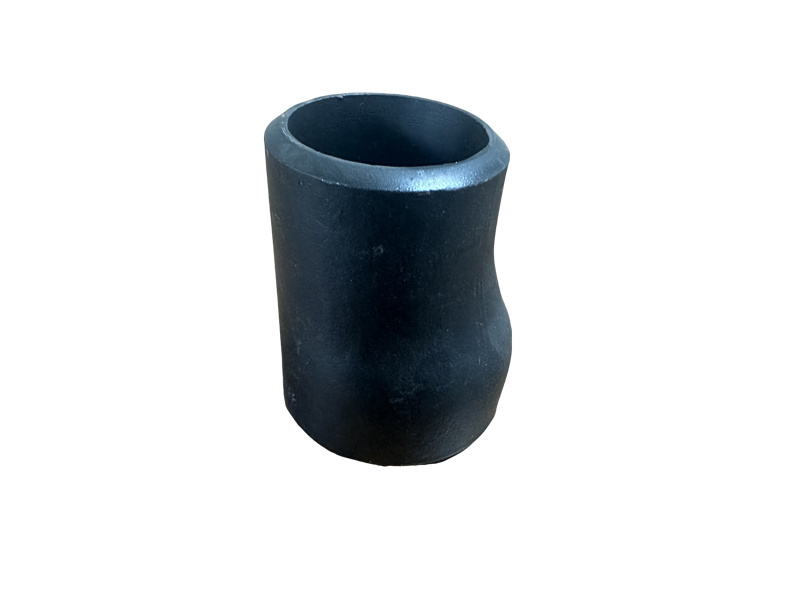
Understanding SS Concentric Reducers: A Critical Component in Pipe Fittings
In the realm of construction and decorative materials, particularly when it comes to pipe fittings, the SS concentric reducer stands out as a vital component. This type of fitting plays a crucial role in the efficient management of fluid flow in piping systems by facilitating the transition between pipes of different diameters. A concentric reducer is designed to connect two pipes with varying dia
02 Dec,2025
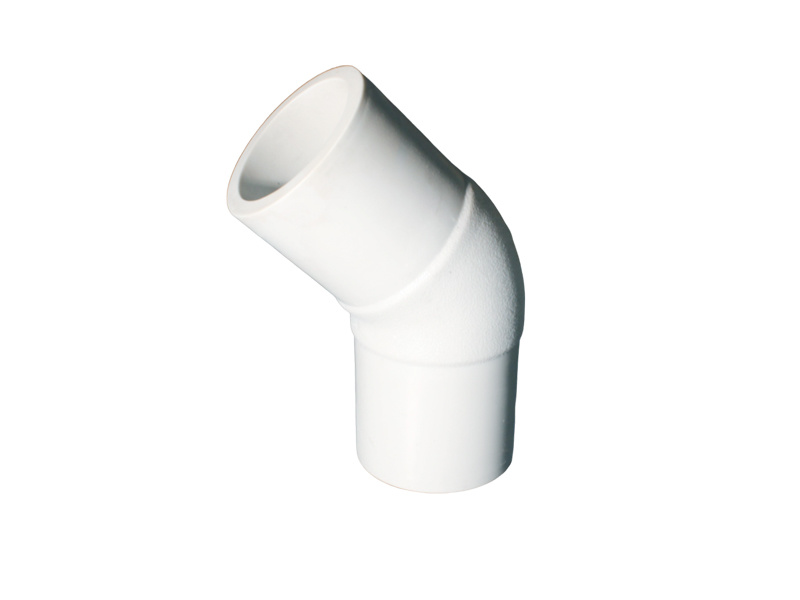
A Comprehensive Guide to Concentric Pipe Fittings: What You Need to Know
A Comprehensive Guide to Concentric Pipe Fittings: What You Need to Know Table of Contents Introduction to Concentric Pipe Fittings What Are Concentric Pipe Fittings? Types of Concentric Pipe Fittings Concentric Elbows Concentric Tees Concentric Reducers Applications of Concentric Pipe Fittings Choosing the Right Materials
30 Nov,2025
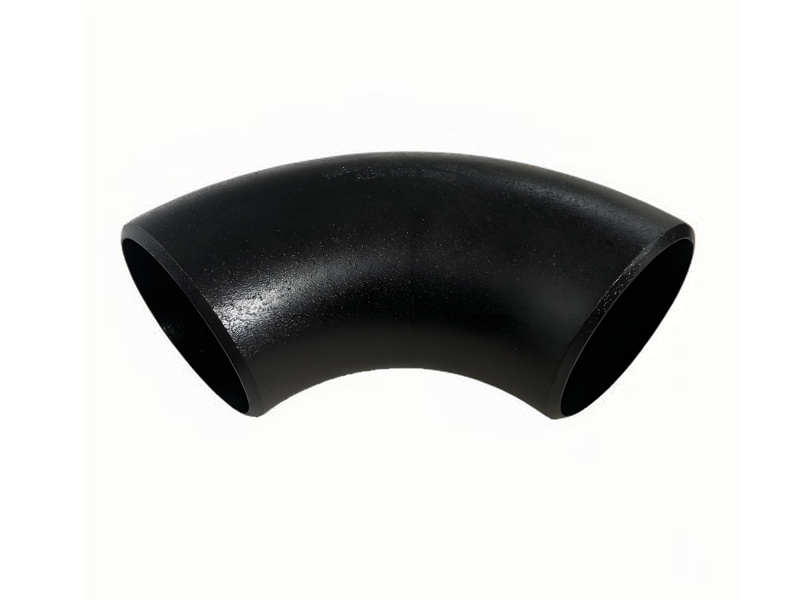
Understanding Forged Steel Elbows: Key Insights for Industry Professionals
Forged steel elbows are critical components in piping systems, particularly in construction and decorative applications where durability and reliability are paramount. These fittings are designed to change the direction of pipe runs, typically at angles of 45 or 90 degrees, effectively managing the flow of fluids or gases through the systems. The manufacturing process involves shaping steel under


Contact information
Address: North Ring Industrial Zone, Mengcun County
Telephone: 86 0317- 6729218 86 0317-6727320
Fax: 0317-6727310
mobile phone: 86 13833761688whatsapp: 86-13780271039
Email: shengyuanflange@163.comLeave Message