

-
A Comprehensive Guide to Installing BS10 Table D Flanges for Superior Piping Solutions
Date:
15 Oct,2025
A Comprehensive Guide to Installing BS10 Table D Flanges Table of Contents 1. Introduction to BS10 Table D Flanges 2. Understanding BS10 Standards and Specifications 3. Essential Tools and Materials for Installation 4. Step-by-Step Installation Process 5. Common Installation Errors to Avoid 6. Maintenance and Inspection of Flanged Joints 7. Benefits of Using BS10 Table
A Comprehensive Guide to Installing BS10 Table D Flanges
Table of Contents
- 1. Introduction to BS10 Table D Flanges
- 2. Understanding BS10 Standards and Specifications
- 3. Essential Tools and Materials for Installation
- 4. Step-by-Step Installation Process
- 5. Common Installation Errors to Avoid
- 6. Maintenance and Inspection of Flanged Joints
- 7. Benefits of Using BS10 Table D Flanges
- 8. Frequently Asked Questions (FAQs)
- 9. Conclusion
1. Introduction to BS10 Table D Flanges
In the realm of piping systems, **flanges** play a crucial role in ensuring leak-free connections between pipes and fittings. Among the various flange standards, **BS10 Table D flanges** are widely recognized for their reliability and strength. This guide aims to provide a comprehensive overview of how to properly install these flanges, ensuring optimal performance in your piping applications.
2. Understanding BS10 Standards and Specifications
Before embarking on the installation of BS10 Table D flanges, it is essential to familiarize yourself with the **BS10 standards**. These standards, established by the British Standards Institution, dictate the dimensional tolerances, material specifications, and performance criteria for flanges used in piping systems.
The Importance of BS10 Standards
BS10 flanges are categorized into various tables such as **Table A**, **Table B**, and **Table D**, with Table D specifically designed for higher pressure applications. The specifications include:
- **Material Compatibility**: Common materials for BS10 Table D flanges include carbon steel, stainless steel, and alloy steel, each offering unique properties suited for different environments.
- **Pressure Ratings**: Table D flanges are rated for higher pressures, making them ideal for industrial applications where robust performance is a necessity.
- **Dimensions**: Standardized dimensions simplify the compatibility of flanges with various piping systems.
3. Essential Tools and Materials for Installation
To ensure a successful installation, having the right tools and materials on hand is vital. Below we outline the essentials:
Tools Required
- **Wrenches**: Adjustable and socket wrenches to fasten bolts securely.
- **Torque Wrench**: For applying the correct amount of torque to bolts.
- **Pipe Supports**: To ensure stability during and after installation.
- **Measuring Tape**: To verify alignment and spacing.
- **Safety Gear**: Gloves, goggles, and helmets to ensure personal safety.
Materials Needed
- **BS10 Table D Flanges**: Ensure you have the correct dimensions and material.
- **Gaskets**: To provide a seal between the flanges, preventing leaks.
- **Bolts and Nuts**: Grade 8.8 or higher is recommended for durability.
- **Anti-Seize Compound**: To facilitate easier disassembly in the future.
4. Step-by-Step Installation Process
Installing BS10 Table D flanges requires meticulous attention to detail. Follow these steps for a successful installation:
Step 1: Preparation of the Pipe Ends
Before installing the flanges, ensure that the pipe ends are clean, smooth, and free from any debris. This ensures a proper seal and alignment.
Step 2: Gasket Placement
Place the gasket on the flange face of the first pipe. Ensure it is properly aligned and that there are no wrinkles or gaps.
Step 3: Aligning the Flanges
Carefully bring the two flanges together, ensuring that they align perfectly. Misalignment may lead to leaks and material failure.
Step 4: Inserting Bolts
Insert the bolts through the flange holes, starting with the bolts at the top and bottom of the flanges to maintain proper alignment. Use the correct number of bolts as specified by the flange standards.
Step 5: Tightening the Bolts
Using a torque wrench, tighten the bolts in a crisscross pattern to ensure even distribution of pressure. Refer to manufacturer specifications for the recommended torque values.
Step 6: Final Inspection
After tightening, conduct a thorough inspection of the installed flange. Check for alignment, ensure the gasket is intact, and verify that there are no visible gaps or defects.
5. Common Installation Errors to Avoid
Understanding potential pitfalls can save time and resources. Here are common mistakes to avoid during installation:
1. Misalignment of Flanges
Failing to align the flanges properly can cause undue stress on the piping system, leading to leaks and structural failures.
2. Inadequate Torque Application
Not applying the correct torque can result in loose connections or damaged gaskets. Always refer to specifications.
3. Using Incorrect Gaskets
Ensure that the gasket material is compatible with the fluids being transported. Using the wrong gasket can lead to leaks.
4. Skipping the Inspection Step
Neglecting to perform a final inspection can allow unnoticed errors to go unaddressed, potentially leading to costly repairs later.
6. Maintenance and Inspection of Flanged Joints
To ensure the longevity and reliability of your piping system, regular maintenance is essential. Here are key practices to follow:
Regular Inspections
Conduct periodic inspections to check for signs of wear, corrosion, or leaks. Early detection can prevent larger issues.
Torque Re-Check
It is advisable to re-check the torque on the bolts periodically, especially after initial installation or after significant temperature fluctuations.
Gasket Replacement
Gaskets may degrade over time due to environmental factors. Replace them as necessary to maintain an effective seal.
7. Benefits of Using BS10 Table D Flanges
BS10 Table D flanges offer numerous advantages that make them a preferred choice in industrial applications:
1. High Pressure Resistance
Designed for higher pressure, these flanges are ideal for demanding applications, ensuring safety and efficiency.
2. Versatile Material Options
With various material options available, BS10 Table D flanges can be tailored to suit specific project requirements and environmental conditions.
3. Ease of Maintenance
The design of flanged joints allows for easy disassembly, facilitating maintenance and repairs without extensive downtime.
4. Enhanced Sealing Capabilities
When installed correctly, BS10 Table D flanges, coupled with the right gaskets, provide a highly effective seal against leaks.
8. Frequently Asked Questions (FAQs)
1. What are BS10 Table D flanges commonly used for?
BS10 Table D flanges are commonly used in high-pressure piping applications, including water, gas, and chemical transport systems.
2. How do I choose the right gasket for BS10 Table D flanges?
Select gaskets based on the material compatibility with the fluids being transported and the operating temperature and pressure conditions.
3. What is the recommended torque specification for BS10 Table D flanges?
Torque specifications vary by size and material; always refer to the manufacturer's guidelines for precise values.
4. Can BS10 Table D flanges be reused?
While the flanges can often be reused, inspect gaskets and bolts for wear before reinstallation to ensure they still meet safety standards.
5. How often should I inspect flanged joints?
Regular inspections are recommended at least once a year, or more frequently if the system operates under extreme conditions.
9. Conclusion
Installing BS10 Table D flanges is a critical process that ensures the integrity and efficiency of piping systems. By following the step-by-step instructions outlined in this guide and understanding the importance of proper installation techniques, you can achieve long-lasting, leak-free connections. Regular maintenance and inspections further enhance the durability of these flanges, making them a reliable choice for various industrial applications. Empower yourself with the knowledge presented here, and ensure the success of your next piping project.Related News
04 Dec,2025
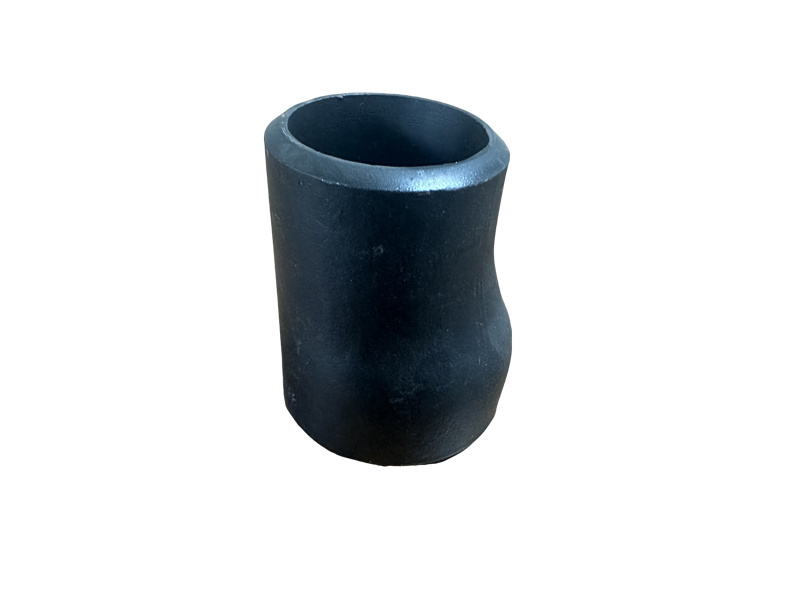
Understanding SS Concentric Reducers: A Critical Component in Pipe Fittings
In the realm of construction and decorative materials, particularly when it comes to pipe fittings, the SS concentric reducer stands out as a vital component. This type of fitting plays a crucial role in the efficient management of fluid flow in piping systems by facilitating the transition between pipes of different diameters. A concentric reducer is designed to connect two pipes with varying dia
02 Dec,2025
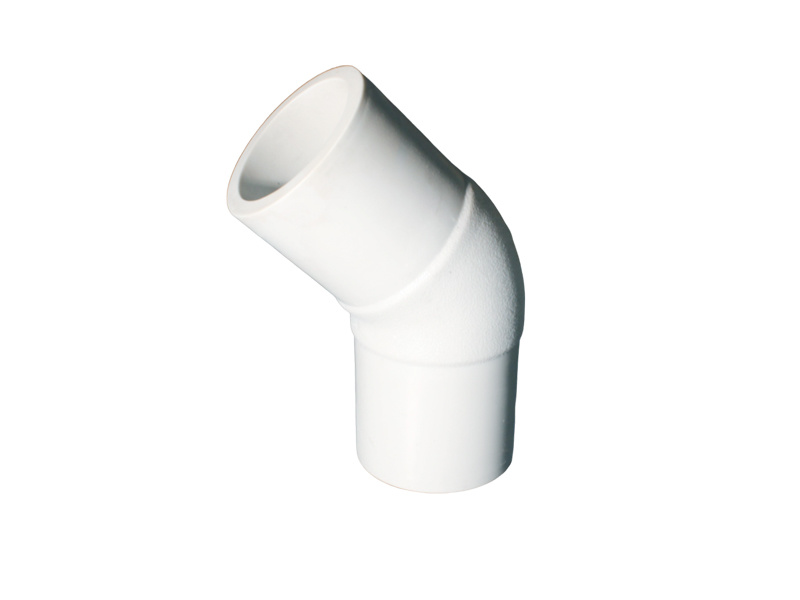
A Comprehensive Guide to Concentric Pipe Fittings: What You Need to Know
A Comprehensive Guide to Concentric Pipe Fittings: What You Need to Know Table of Contents Introduction to Concentric Pipe Fittings What Are Concentric Pipe Fittings? Types of Concentric Pipe Fittings Concentric Elbows Concentric Tees Concentric Reducers Applications of Concentric Pipe Fittings Choosing the Right Materials
30 Nov,2025
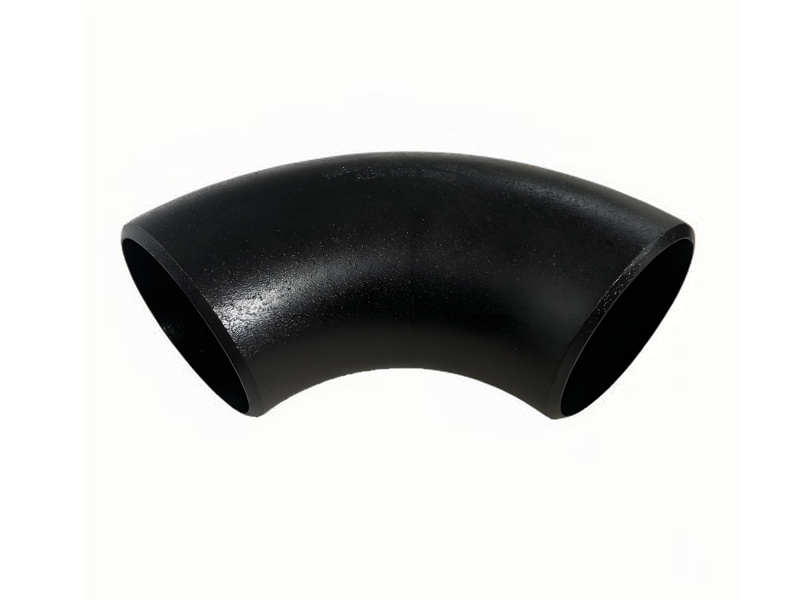
Understanding Forged Steel Elbows: Key Insights for Industry Professionals
Forged steel elbows are critical components in piping systems, particularly in construction and decorative applications where durability and reliability are paramount. These fittings are designed to change the direction of pipe runs, typically at angles of 45 or 90 degrees, effectively managing the flow of fluids or gases through the systems. The manufacturing process involves shaping steel under


Contact information
Address: North Ring Industrial Zone, Mengcun County
Telephone: 86 0317- 6729218 86 0317-6727320
Fax: 0317-6727310
mobile phone: 86 13833761688whatsapp: 86-13780271039
Email: shengyuanflange@163.comLeave Message