

-
How Forged Steel Elbows Enhance the Efficiency of Plumbing Systems
Date:
19 Oct,2025
How Forged Steel Elbows Enhance the Efficiency of Plumbing Systems Introduction to Forged Steel Elbows in Plumbing In the realm of plumbing systems, certain components play critical roles in ensuring efficiency and reliability. One such component is the **forged steel elbow**. These fittings are crucial for directing the flow of various fluids through pipes, and their design and construction sig
How Forged Steel Elbows Enhance the Efficiency of Plumbing Systems
Introduction to Forged Steel Elbows in Plumbing
In the realm of plumbing systems, certain components play critical roles in ensuring efficiency and reliability. One such component is the **forged steel elbow**. These fittings are crucial for directing the flow of various fluids through pipes, and their design and construction significantly impact the overall performance of plumbing installations. In this article, we delve into how forged steel elbows contribute to the efficiency of plumbing systems, focusing on their materials, production process, applications, and advantages.
What is a Forged Steel Elbow?
A **forged steel elbow** is a type of pipe fitting that allows for a change in direction within a piping system. Typically available in angles of 45 and 90 degrees, these elbows are manufactured through a forging process, which involves shaping the steel under high pressure. This production method enhances the material's strength and durability, making forged steel elbows ideal for various plumbing applications.
The Manufacturing Process of Forged Steel Elbows
Understanding the manufacturing process of forged steel elbows can provide insights into their superior qualities. The production involves several key steps:
1. **Material Selection**: High-quality steel is chosen for its strength and resistance to wear and corrosion.
2. **Heating**: The steel is heated to a malleable state, allowing it to be shaped easily.
3. **Forging**: Using a die, the heated steel is shaped into an elbow form through hammering or pressing.
4. **Machining**: After forging, the elbows are machined to meet precise dimensions and surface finish standards.
5. **Inspection**: Quality checks ensure that the elbows meet industry standards for strength, durability, and performance.
This meticulous manufacturing process results in a product that can withstand high pressure and temperature, making it a reliable choice for plumbing systems.
The Advantages of Using Forged Steel Elbows
Forged steel elbows offer several advantages over other materials, such as cast iron or plastic. Here are some key benefits that contribute to their effectiveness in plumbing systems:
1. Superior Strength and Durability
One of the primary advantages of forged steel elbows is their exceptional strength. The forging process enhances the grain structure of the steel, resulting in a product that can handle high-pressure conditions. This strength translates to fewer failures and longer service life, which is crucial for plumbing applications where reliability is paramount.
2. Corrosion Resistance
Forged steel elbows are often treated with coatings or made from stainless steel to enhance their resistance to corrosion. This characteristic is particularly important in plumbing systems that transport water, chemicals, or other potentially corrosive fluids. By minimizing corrosion risk, these elbows contribute to the overall longevity of the plumbing system.
3. Versatility in Applications
The robust nature of forged steel elbows allows for their use in a wide range of applications. Whether in residential, commercial, or industrial plumbing systems, these fittings can handle various media, including water, gas, and steam. Their versatility makes them a preferred choice across different sectors.
4. Cost-Effectiveness
While the initial investment in forged steel elbows may be higher than that of other materials, their durability leads to long-term savings. Fewer replacements and reduced maintenance costs make them a more cost-effective option over time.
5. Enhanced Flow Efficiency
The smooth interior surface of forged steel elbows minimizes turbulence and pressure drops in the fluid flow. This characteristic significantly enhances the flow efficiency of the plumbing system, ensuring optimal performance and reducing energy consumption.
Applications of Forged Steel Elbows in Plumbing Systems
The versatility of forged steel elbows allows them to be used across various plumbing applications. Here are some common uses:
1. Residential Plumbing Systems
In residential settings, forged steel elbows are often found in hot and cold water supply lines, heating systems, and gas lines. Their strength and reliability make them suitable for critical applications where failure can lead to significant issues.
2. Commercial Plumbing Installations
Commercial buildings, such as offices and shopping centers, utilize forged steel elbows in their plumbing systems to manage water supply, drainage, and waste systems. The durability of these fittings ensures minimal downtime and maintenance.
3. Industrial Applications
In industrial settings, forged steel elbows are essential for transporting chemicals, steam, and other high-pressure fluids. Their ability to withstand extreme conditions makes them invaluable in manufacturing and processing plants.
4. Oil and Gas Industry
The oil and gas industry heavily relies on forged steel elbows for their pipeline systems. These fittings must endure harsh environments, and forged steel’s strength and corrosion resistance make it an ideal choice for such applications.
Installation Tips for Forged Steel Elbows
Proper installation of forged steel elbows is vital to ensure their functionality and longevity. Here are some essential tips:
1. Use Proper Tools
Ensure that the correct tools are used during installation. Wrenches, pipe cutters, and thread sealants specifically designed for steel pipes should be utilized to achieve a secure fit.
2. Follow Manufacturer Guidelines
Adhere to the manufacturer’s specifications for installation and spacing. This can prevent stress points that may lead to leaks or failures.
3. Inspect for Damage
Before installation, inspect each forged steel elbow for any signs of damage or defects. Installing a compromised fitting can lead to plumbing issues down the line.
4. Ensure Proper Alignment
When connecting elbows, ensure that they are aligned correctly to avoid unnecessary stress on the fittings. Misalignment can cause leaks and reduce the efficiency of the plumbing system.
Maintenance of Forged Steel Elbows
Regular maintenance is essential for ensuring the long-term performance of forged steel elbows in plumbing systems. Here are some maintenance tips:
1. Regular Inspections
Schedule regular inspections of the plumbing system to identify any potential issues early on. Look for signs of wear, corrosion, or leaks around the elbows and other fittings.
2. Clean the Elbows Periodically
Remove any buildup or debris from the elbows to maintain optimal flow efficiency. A clean surface prevents blockages and minimizes pressure loss in the system.
3. Monitor Pressure Levels
Keep an eye on the pressure levels within the plumbing system. Abnormal fluctuations may indicate issues with fittings or connections, including the forged steel elbows.
Comparing Forged Steel Elbows with Other Materials
To understand the benefits of forged steel elbows better, it is essential to compare them with other common materials used in plumbing fittings.
1. Forged Steel vs. Cast Iron
While both materials offer strength, forged steel is generally more durable and resistant to corrosion than cast iron, making it a better choice for many plumbing applications. Additionally, forged steel elbows are often lighter and easier to install.
2. Forged Steel vs. PVC
PVC fittings are lightweight and resistant to corrosion, but they lack the strength of forged steel. For high-pressure applications, forged steel elbows are the superior choice, while PVC may be suitable for low-pressure systems.
3. Forged Steel vs. Copper
Copper fittings are known for their antimicrobial properties but can be more expensive than forged steel. While copper is effective in certain applications, the strength and versatility of forged steel elbows make them a more practical choice for many plumbing systems.
FAQs about Forged Steel Elbows
1. What are the typical applications for forged steel elbows?
Forged steel elbows are commonly used in residential, commercial, and industrial plumbing systems, including water supply, gas lines, and chemical transport.
2. How do I determine the correct size of a forged steel elbow for my plumbing system?
The size of the elbow should match the diameter of the pipes in your plumbing system. Consult with a plumbing professional if you are unsure.
3. Are forged steel elbows resistant to corrosion?
Yes, many forged steel elbows are treated to resist corrosion. Choosing stainless steel options further enhances this resistance.
4. How can I ensure a proper seal when installing forged steel elbows?
Using appropriate thread sealants and ensuring proper alignment during installation will help achieve a secure seal.
5. Can forged steel elbows be used in high-temperature applications?
Absolutely! Forged steel elbows are designed to withstand high temperatures and pressures, making them suitable for various high-temperature applications.
Conclusion
Forged steel elbows are indispensable components within plumbing systems, providing strength, durability, and efficiency. Their unique manufacturing process and material properties allow them to excel in various applications, from residential installations to heavy industrial use. By understanding the advantages and best practices associated with forged steel elbows, plumbing professionals can ensure the longevity and reliability of their systems. Investing in high-quality forged steel elbows not only enhances plumbing performance but also contributes to cost savings and efficiency in the long run.Related News
04 Dec,2025
Understanding SS Concentric Reducers: A Critical Component in Pipe Fittings
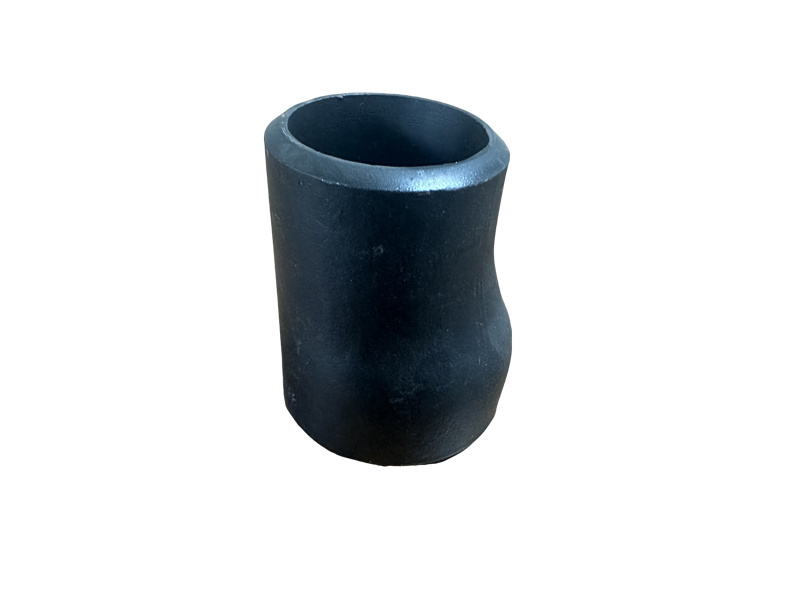
In the realm of construction and decorative materials, particularly when it comes to pipe fittings, the SS concentric reducer stands out as a vital component. This type of fitting plays a crucial role in the efficient management of fluid flow in piping systems by facilitating the transition between pipes of different diameters. A concentric reducer is designed to connect two pipes with varying dia
02 Dec,2025
A Comprehensive Guide to Concentric Pipe Fittings: What You Need to Know
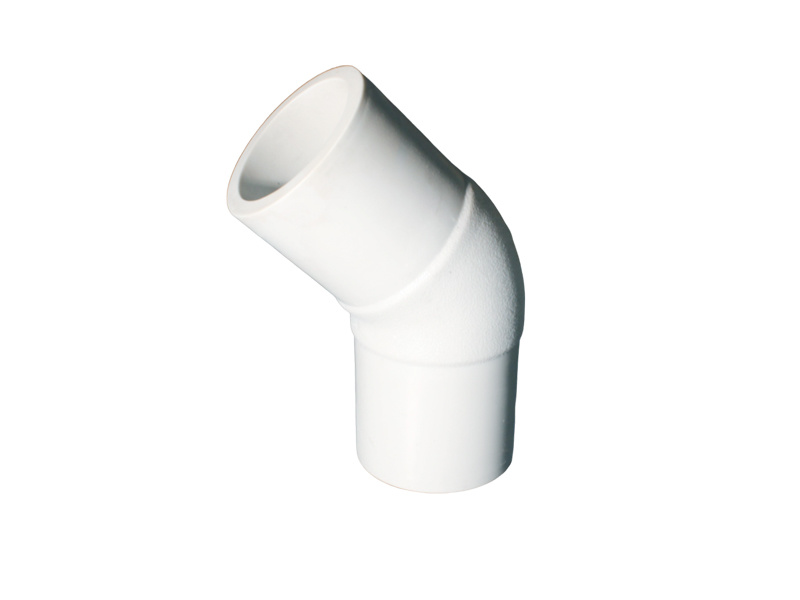
A Comprehensive Guide to Concentric Pipe Fittings: What You Need to Know Table of Contents Introduction to Concentric Pipe Fittings What Are Concentric Pipe Fittings? Types of Concentric Pipe Fittings Concentric Elbows Concentric Tees Concentric Reducers Applications of Concentric Pipe Fittings Choosing the Right Materials
30 Nov,2025
Understanding Forged Steel Elbows: Key Insights for Industry Professionals
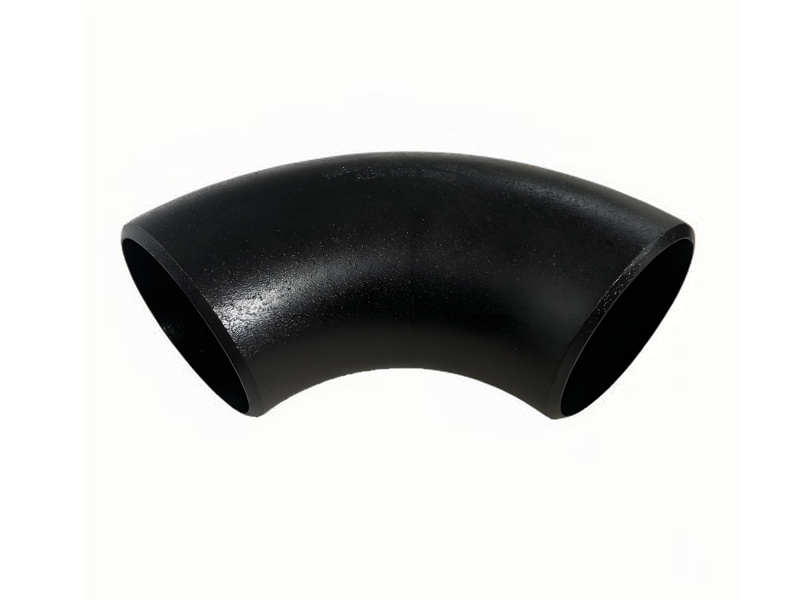
Forged steel elbows are critical components in piping systems, particularly in construction and decorative applications where durability and reliability are paramount. These fittings are designed to change the direction of pipe runs, typically at angles of 45 or 90 degrees, effectively managing the flow of fluids or gases through the systems. The manufacturing process involves shaping steel under


Contact information
Address: North Ring Industrial Zone, Mengcun County
Telephone: 86 0317- 6729218 86 0317-6727320
Fax: 0317-6727310
mobile phone: 86 13833761688whatsapp: 86-13780271039
Email: shengyuanflange@163.comLeave Message