

-
How to Achieve Seamless Transitions with Steel Concentric Reducers
Date:
04 Nov,2025
How to Achieve Seamless Transitions with Steel Concentric Reducers Table of Contents 1. Introduction to Steel Concentric Reducers 2. Understanding Concentric Reducers: What They Are and Their Benefits 3. Applications of Steel Concentric Reducers in Construction 4. Installation Techniques for Optimal Performance 5. Design Principles for Seamless Transitions 6. Maintenan
How to Achieve Seamless Transitions with Steel Concentric Reducers
Table of Contents
- 1. Introduction to Steel Concentric Reducers
- 2. Understanding Concentric Reducers: What They Are and Their Benefits
- 3. Applications of Steel Concentric Reducers in Construction
- 4. Installation Techniques for Optimal Performance
- 5. Design Principles for Seamless Transitions
- 6. Maintenance Tips for Longevity
- 7. Common Mistakes to Avoid in Using Concentric Reducers
- 8. Frequently Asked Questions (FAQs)
- 9. Conclusion
1. Introduction to Steel Concentric Reducers
In the realm of construction and plumbing, achieving **seamless transitions** between various pipe sizes is crucial. Steel concentric reducers play a pivotal role in ensuring that these transitions are not only functional but also efficient. These specialized fittings are designed to connect pipes of different diameters, allowing for smooth fluid flow while minimizing turbulence and pressure loss.
Understanding **how to use steel concentric reducers** effectively in your projects can significantly enhance system performance. This article will delve into the essential aspects of steel concentric reducers, including their benefits, applications, installation techniques, and maintenance. By the end, you will have a comprehensive understanding of how to leverage these components for seamless transitions.
2. Understanding Concentric Reducers: What They Are and Their Benefits
Steel concentric reducers are fittings designed to transition between two pipes of differing sizes while maintaining a central axis. Unlike eccentric reducers, which offset the centerline, concentric reducers provide a symmetrical and fluid transition. This design ensures that the flow of liquids or gases remains uninterrupted, allowing for efficient system performance.
**Benefits of Steel Concentric Reducers:**
- **Improved Flow Efficiency:** The streamlined shape of concentric reducers minimizes turbulence, which is essential for maintaining optimal flow rates.
- **Versatility:** Suitable for various industries, including oil and gas, water treatment, and HVAC systems.
- **Durability:** Made from high-quality steel, these reducers can withstand extreme temperatures and pressures, ensuring longevity in demanding environments.
- **Ease of Installation:** Their design allows for straightforward installation, reducing labor costs and time on the job site.
3. Applications of Steel Concentric Reducers in Construction
Steel concentric reducers are utilized in numerous applications within the construction and plumbing sectors. Understanding these applications is crucial for selecting the right fittings for your project.
Piping Systems
In piping systems, steel concentric reducers facilitate the transition between different pipe sizes. This is particularly important in systems where the flow needs to be regulated or adapted to different diameters, such as in municipal water supply networks.
HVAC Systems
In heating, ventilation, and air conditioning (HVAC) systems, these reducers help maintain airflow efficiency while connecting ducts of various sizes. This is vital for regulating temperature and ensuring that systems operate effectively.
Oil and Gas Industry
Within the oil and gas industry, steel concentric reducers are crucial for managing the flow of liquids and gases through pipelines. Their ability to handle high pressures and corrosive materials makes them indispensable.
Water Treatment Facilities
In water treatment facilities, these reducers play a significant role in maintaining optimal water flow and pressure throughout the treatment process, thereby ensuring efficient filtration and distribution.
4. Installation Techniques for Optimal Performance
Proper installation of steel concentric reducers is essential for achieving seamless transitions and optimal performance. Here are the key steps to ensure a successful installation:
Step 1: Prepare the Pipes
Before installation, ensure that the pipes are clean and free of debris. This prevents contamination and ensures a secure fit.
Step 2: Measure and Cut
Accurately measure the lengths of pipe that will connect to the reducer and cut them accordingly. Precision in cutting helps achieve a snug fit, reducing the likelihood of leaks.
Step 3: Align the Reducer
Position the concentric reducer between the two pipes, ensuring that the ends are properly aligned. This alignment is crucial for maintaining efficient flow and avoiding potential issues.
Step 4: Secure the Fittings
Depending on the type of connection (welded, threaded, or flanged), securely fasten the reducer to the pipes. Use appropriate tools and techniques to ensure a tight seal.
Step 5: Test the Connection
After installation, conduct a pressure test to check for any leaks. This step is vital to confirm the integrity of the transition and the overall system.
5. Design Principles for Seamless Transitions
Achieving seamless transitions with steel concentric reducers involves understanding specific design principles. Here’s what you need to consider:
Flow Dynamics
The geometry of the concentric reducer influences how fluid flows through it. A gradual transition is ideal for minimizing turbulence and pressure drop. Designers should aim for a reduction ratio that is not too abrupt.
Material Selection
Choosing the right material is crucial for the longevity and performance of the reducer. Steel is often preferred for its strength and resistance to corrosion. However, consider the specific requirements of your project when selecting materials.
Pressure Ratings
Ensure that the concentric reducer is rated for the pressures it will encounter in service. Using a reducer with inadequate pressure ratings can lead to failures and costly repairs.
Temperature Considerations
Consider the operating temperature of the fluids or gases. Steel concentric reducers are designed to withstand high temperatures, but it's essential to select the appropriate grade of steel for extreme conditions.
6. Maintenance Tips for Longevity
Regular maintenance is essential to ensure that steel concentric reducers perform optimally throughout their service life. Here are some maintenance tips:
Inspect Regularly
Regular visual inspections can help identify any signs of wear, corrosion, or leaks. Catching issues early can prevent more significant problems down the line.
Clean the Surface
Keep the surface of the reducer clean, especially in environments where contaminants may accumulate. Regular cleaning helps maintain the integrity of the material.
Monitor Pressure and Temperature
Consistently monitor the pressure and temperature within the system. Any drastic fluctuations could indicate underlying issues that need to be addressed promptly.
Replace Worn Components
If any parts of the concentric reducer show signs of wear, replace them immediately to prevent system failure.
7. Common Mistakes to Avoid in Using Concentric Reducers
When working with steel concentric reducers, it's crucial to avoid common pitfalls that could compromise performance:
Incorrect Sizing
One of the most significant mistakes is selecting the wrong size reducer. Always refer to specifications and ensure compatibility with your piping system.
Neglecting Flow Direction
Installing a reducer in the wrong flow direction can lead to inefficiencies and potential backflow issues. Always check the flow direction before securing the fittings.
Overtightening Connections
While it's important to secure connections, overtightening can damage the threads or the material itself. Follow manufacturer guidelines for proper torque specifications.
Ignoring Manufacturer Guidelines
Each reducer may have specific installation and maintenance instructions. Ignoring these can lead to premature failure or safety hazards.
8. Frequently Asked Questions (FAQs)
What is a steel concentric reducer used for?
Steel concentric reducers are used to connect pipes of different diameters while maintaining a central alignment, ensuring smooth and efficient fluid flow.
How do I choose the right size concentric reducer?
To choose the right size, refer to the specifications of the pipes you are connecting. Measure the diameters accurately and select a reducer that accommodates these sizes.
Are steel concentric reducers suitable for high-pressure applications?
Yes, steel concentric reducers are designed to withstand high pressures, making them suitable for various industrial applications.
How does temperature affect the performance of a concentric reducer?
Temperature can significantly impact the material properties of the reducer. It’s essential to select the appropriate grade of steel based on the operating temperature of the fluid or gas.
What maintenance is required for steel concentric reducers?
Regular inspections for wear and leaks, thorough cleaning, and replacing any worn components are vital for maintaining the performance and longevity of steel concentric reducers.
9. Conclusion
In conclusion, mastering the use of steel concentric reducers is integral to achieving **seamless transitions** in various construction and plumbing applications. Their ability to connect pipes of differing diameters while ensuring efficient fluid flow makes them a vital component in many systems. By understanding their benefits, applications, installation techniques, and maintenance requirements, we can ensure optimal performance and longevity. By avoiding common mistakes and adhering to best practices, we can harness the full potential of steel concentric reducers to enhance the effectiveness of our piping systems.Related News
04 Dec,2025
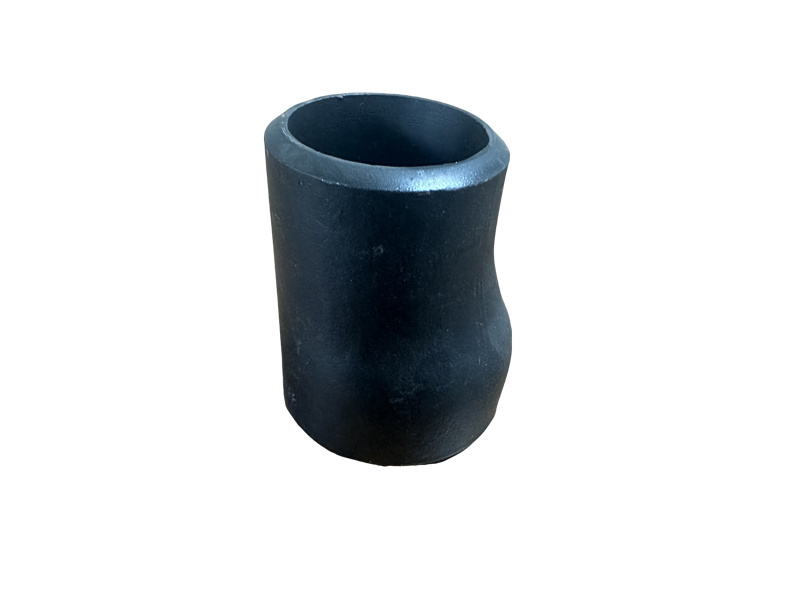
Understanding SS Concentric Reducers: A Critical Component in Pipe Fittings
In the realm of construction and decorative materials, particularly when it comes to pipe fittings, the SS concentric reducer stands out as a vital component. This type of fitting plays a crucial role in the efficient management of fluid flow in piping systems by facilitating the transition between pipes of different diameters. A concentric reducer is designed to connect two pipes with varying dia
02 Dec,2025
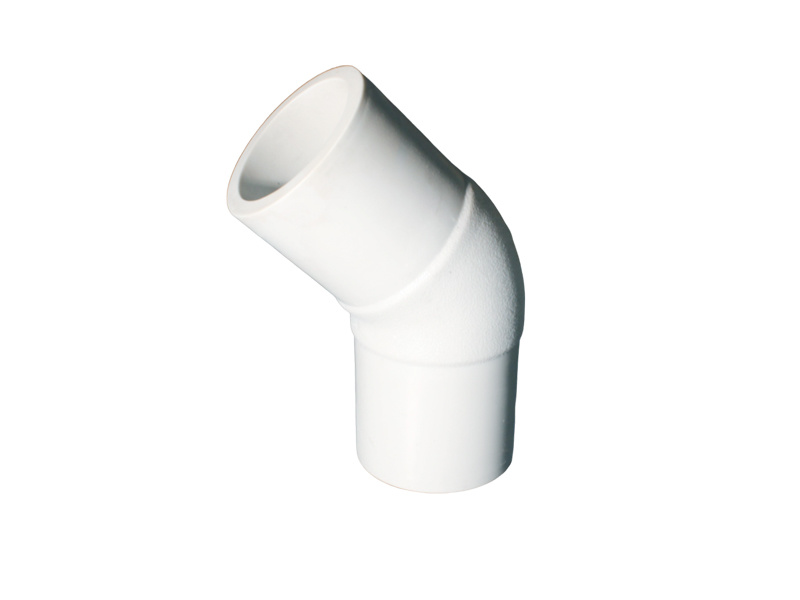
A Comprehensive Guide to Concentric Pipe Fittings: What You Need to Know
A Comprehensive Guide to Concentric Pipe Fittings: What You Need to Know Table of Contents Introduction to Concentric Pipe Fittings What Are Concentric Pipe Fittings? Types of Concentric Pipe Fittings Concentric Elbows Concentric Tees Concentric Reducers Applications of Concentric Pipe Fittings Choosing the Right Materials
30 Nov,2025
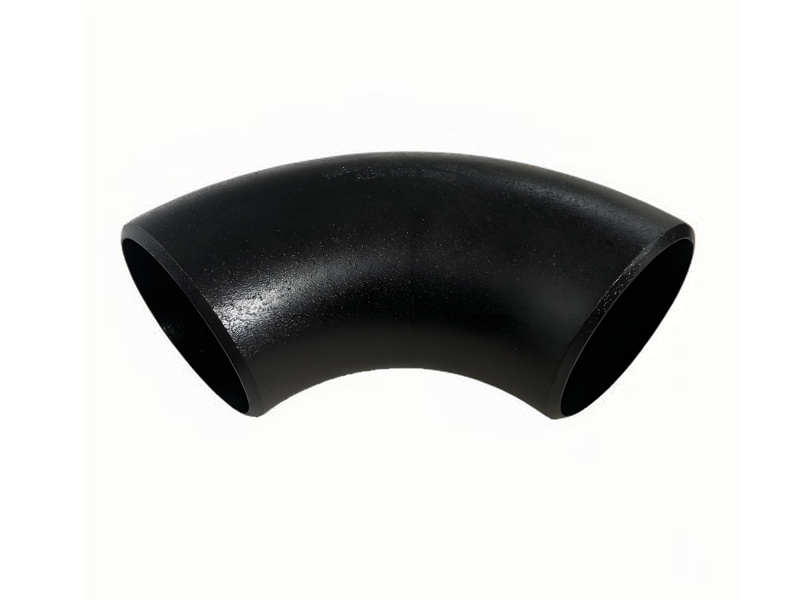
Understanding Forged Steel Elbows: Key Insights for Industry Professionals
Forged steel elbows are critical components in piping systems, particularly in construction and decorative applications where durability and reliability are paramount. These fittings are designed to change the direction of pipe runs, typically at angles of 45 or 90 degrees, effectively managing the flow of fluids or gases through the systems. The manufacturing process involves shaping steel under


Contact information
Address: North Ring Industrial Zone, Mengcun County
Telephone: 86 0317- 6729218 86 0317-6727320
Fax: 0317-6727310
mobile phone: 86 13833761688whatsapp: 86-13780271039
Email: shengyuanflange@163.comLeave Message