

-
Understanding Pressure Ratings for DIN Weld Neck Flanges PN40: A Comprehensive Guide
Date:
12 Nov,2025
Understanding Pressure Ratings for DIN Weld Neck Flanges PN40: A Comprehensive Guide Table of Contents 1. Introduction to DIN Weld Neck Flanges 2. What Are DIN Weld Neck Flanges? 3. Understanding Pressure Ratings 3.1 Definition of Pressure Rating 3.2 Importance of Pressure Ratings 4. Pressure Rating Standards for DIN Weld Neck Flanges
Understanding Pressure Ratings for DIN Weld Neck Flanges PN40: A Comprehensive Guide
Table of Contents
- 1. Introduction to DIN Weld Neck Flanges
- 2. What Are DIN Weld Neck Flanges?
- 3. Understanding Pressure Ratings
- 4. Pressure Rating Standards for DIN Weld Neck Flanges
- 5. Applications of DIN Weld Neck Flanges PN40
- 6. Factors Affecting Pressure Ratings
- 7. Installation and Maintenance Best Practices
- 8. Frequently Asked Questions
- 9. Conclusion
1. Introduction to DIN Weld Neck Flanges
DIN Weld Neck Flanges are essential components in various piping systems, especially in high-pressure environments. These flanges are designed to provide a robust and reliable connection between pipes, allowing for efficient flow of liquids and gases. Understanding the pressure ratings associated with these flanges, particularly the PN40 rating, is crucial for ensuring system integrity and safety.
2. What Are DIN Weld Neck Flanges?
DIN Weld Neck Flanges are a type of flange that is welded to the pipe, providing a smooth transition and reducing stress concentration at the joint. They feature a long neck that allows for better alignment and support of the pipe, making them ideal for applications where high pressure and temperature are prevalent. Typically made from materials such as carbon steel, stainless steel, or alloy steel, these flanges are versatile and used across various industries, from oil and gas to chemical processing.
3. Understanding Pressure Ratings
3.1 Definition of Pressure Rating
The pressure rating of a flange is a crucial aspect that defines its ability to withstand internal pressure without failure. It is measured in bar or pounds per square inch (psi) and indicates the maximum pressure that can be safely applied to the flange at a specific temperature range.
3.2 Importance of Pressure Ratings
Knowing the pressure rating of a flange is essential for engineers and designers when selecting components for a piping system. An incorrect pressure rating can lead to catastrophic failures, leaks, or system inefficiencies. Hence, confirming that the flange chosen matches the operational conditions ensures the safety and longevity of the installation.
4. Pressure Rating Standards for DIN Weld Neck Flanges
DIN standards provide guidelines and specifications for various components used in piping systems, including flanges. Understanding these standards is crucial for ensuring compliance and performance.
4.1 PN40 Standard Explained
The PN40 standard refers to a pressure nominal rating of 40 bar (approximately 580 psi) at a temperature of 20°C (68°F). This rating indicates that the welded neck flange can safely handle high-pressure situations, making it suitable for demanding applications. It's important to note that the maximum allowable pressure decreases with an increase in temperature, necessitating careful consideration during system design.
4.2 Material Specifications
DIN Weld Neck Flanges PN40 are available in various materials, including carbon steel, stainless steel, and special alloys. The choice of material affects the flange's performance under pressure and temperature conditions. Specifications such as ASTM or ASME standards should be followed to ensure that the materials used are suitable for the intended application.
5. Applications of DIN Weld Neck Flanges PN40
DIN Weld Neck Flanges PN40 are utilized in numerous industries where high-pressure systems are common. Some of the prominent applications include:
- **Oil and Gas Industry**: Used in drilling rigs, pipelines, and refineries where high pressures are a standard operational requirement.
- **Chemical Processing**: Employed in reactors and distillation columns where chemical reactions occur under high pressure.
- **Water Treatment Plants**: Utilized in piping systems that transport water and wastewater under pressure.
- **Power Generation**: Found in steam and gas turbines, where they connect piping systems under significant pressure.
The versatility and reliability of DIN Weld Neck Flanges make them a preferred choice for engineers and designers.
6. Factors Affecting Pressure Ratings
Several factors influence the pressure ratings of DIN Weld Neck Flanges, including:
- **Temperature**: As the temperature increases, the material strength typically decreases, which could lower the permissible pressure rating.
- **Material Properties**: Different materials exhibit various strength characteristics, affecting their performance under pressure.
- **Flange Thickness**: A thicker flange generally provides a higher pressure rating but may also lead to increased weight and cost.
- **Welding Quality**: The integrity of the weld joint significantly impacts the overall strength of the assembly. Poor welds can compromise the pressure rating.
- **Corrosion Resistance**: Flanges exposed to corrosive environments may degrade over time, affecting their pressure-handling capabilities.
Understanding these factors is crucial for ensuring the safe operation of piping systems using DIN Weld Neck Flanges.
7. Installation and Maintenance Best Practices
To ensure the longevity and reliability of DIN Weld Neck Flanges PN40, it's essential to adhere to best practices during installation and maintenance.
- **Proper Alignment**: Ensure that the flange is correctly aligned with the piping system to prevent undue stress and potential failure.
- **Use of Gaskets**: Select appropriate gaskets to create a secure seal and prevent leaks.
- **Torque Specifications**: Apply the correct torque when fastening bolts to avoid over-tightening that could lead to flange deformation.
- **Regular Inspections**: Conduct routine inspections to check for signs of corrosion, leaks, or other wear and tear that could affect performance.
- **Temperature and Pressure Monitoring**: Continuously monitor the system's temperature and pressure to ensure they remain within safe limits.
Following these practices contributes to the reliability and safety of systems using DIN Weld Neck Flanges PN40.
8. Frequently Asked Questions
1. What is the difference between PN40 and PN16 flanges?
PN40 flanges are rated for a maximum pressure of 40 bar, while PN16 flanges are rated for a maximum of 16 bar. This makes PN40 flanges suitable for higher pressure applications.
2. Can DIN Weld Neck Flanges be used in low-temperature applications?
Yes, but it is essential to verify the material specifications and ensure they can withstand the temperatures involved without losing integrity.
3. What materials are commonly used for DIN Weld Neck Flanges PN40?
Common materials include carbon steel, stainless steel, and various alloys that are selected based on the application's specific requirements.
4. How do I determine the correct size of a DIN Weld Neck Flange?
Flange size is determined by the pipe size and schedule. It is crucial to consult piping specifications and standards to ensure compatibility.
5. Are there any certifications required for using DIN Weld Neck Flanges?
Yes, certain industries may require certifications such as ISO, ASME, or other applicable standards, depending on the application and location of use.
9. Conclusion
Understanding the pressure ratings of DIN Weld Neck Flanges PN40 is vital for ensuring the safety and efficiency of piping systems in various industries. By taking into account the specifications, applications, and factors influencing pressure ratings, engineers and designers can make informed decisions when selecting components. Proper installation and maintenance practices further enhance the reliability and longevity of these critical components. Ultimately, a thorough comprehension of these aspects contributes to the successful operation of high-pressure systems, fostering safety and performance in demanding environments.Related News
04 Dec,2025
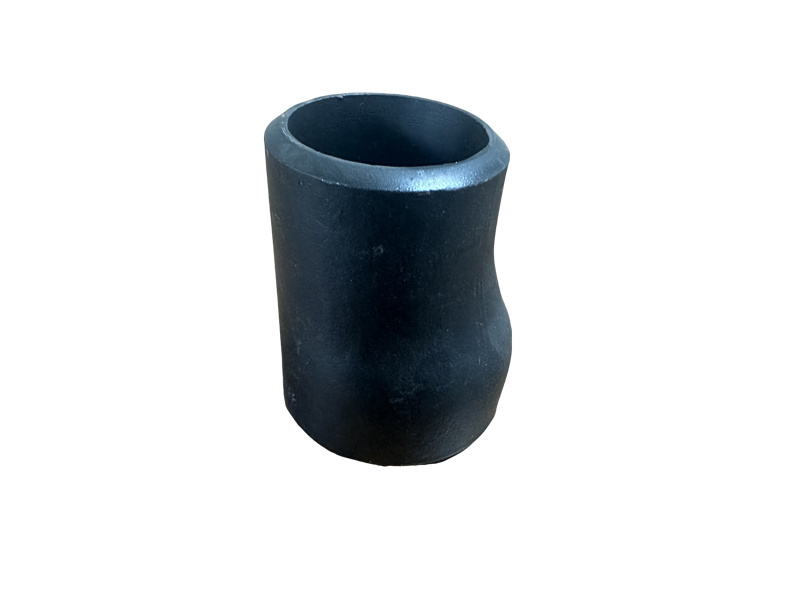
Understanding SS Concentric Reducers: A Critical Component in Pipe Fittings
In the realm of construction and decorative materials, particularly when it comes to pipe fittings, the SS concentric reducer stands out as a vital component. This type of fitting plays a crucial role in the efficient management of fluid flow in piping systems by facilitating the transition between pipes of different diameters. A concentric reducer is designed to connect two pipes with varying dia
02 Dec,2025
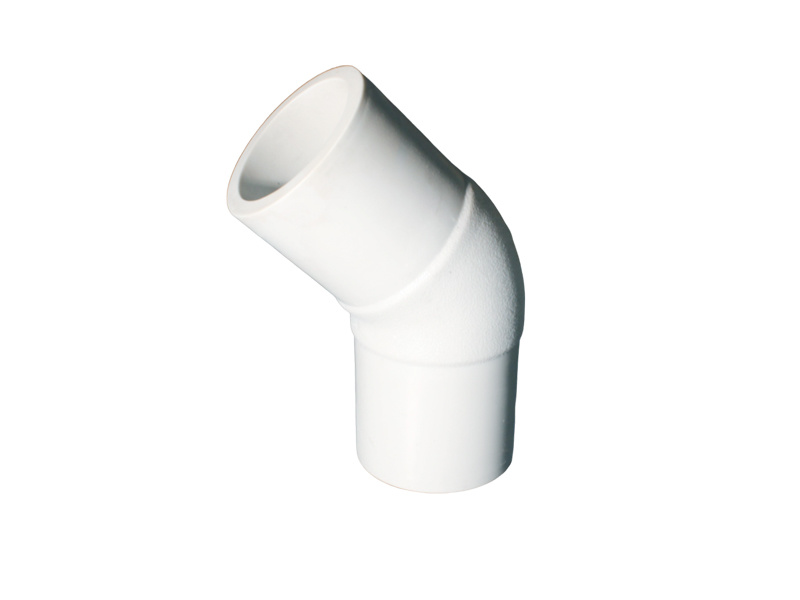
A Comprehensive Guide to Concentric Pipe Fittings: What You Need to Know
A Comprehensive Guide to Concentric Pipe Fittings: What You Need to Know Table of Contents Introduction to Concentric Pipe Fittings What Are Concentric Pipe Fittings? Types of Concentric Pipe Fittings Concentric Elbows Concentric Tees Concentric Reducers Applications of Concentric Pipe Fittings Choosing the Right Materials
30 Nov,2025
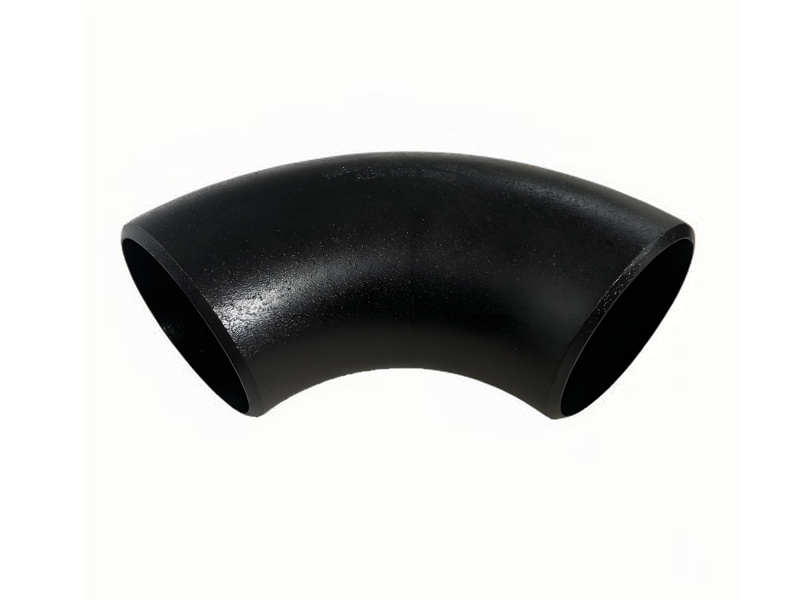
Understanding Forged Steel Elbows: Key Insights for Industry Professionals
Forged steel elbows are critical components in piping systems, particularly in construction and decorative applications where durability and reliability are paramount. These fittings are designed to change the direction of pipe runs, typically at angles of 45 or 90 degrees, effectively managing the flow of fluids or gases through the systems. The manufacturing process involves shaping steel under


Contact information
Address: North Ring Industrial Zone, Mengcun County
Telephone: 86 0317- 6729218 86 0317-6727320
Fax: 0317-6727310
mobile phone: 86 13833761688whatsapp: 86-13780271039
Email: shengyuanflange@163.comLeave Message