

-
The Advantages of Utilizing Stainless Steel DIN Weld Neck Flanges PN40 for Superior Performance
Date:
28 Nov,2025
The Advantages of Utilizing Stainless Steel DIN Weld Neck Flanges PN40 for Superior Performance Table of Contents 1. Introduction to Stainless Steel DIN Weld Neck Flanges PN40 2. What are Weld Neck Flanges? 3. The Benefits of Stainless Steel in Flanges 4. Understanding PN40 Classification 5. Applications of Stainless Steel DIN Weld Neck Flanges PN40 6. Installation Process
The Advantages of Utilizing Stainless Steel DIN Weld Neck Flanges PN40 for Superior Performance
Table of Contents
- 1. Introduction to Stainless Steel DIN Weld Neck Flanges PN40
- 2. What are Weld Neck Flanges?
- 3. The Benefits of Stainless Steel in Flanges
- 4. Understanding PN40 Classification
- 5. Applications of Stainless Steel DIN Weld Neck Flanges PN40
- 6. Installation Process for Weld Neck Flanges
- 7. Maintenance and Care of Weld Neck Flanges
- 8. Conclusion
- 9. Frequently Asked Questions
1. Introduction to Stainless Steel DIN Weld Neck Flanges PN40
Stainless steel DIN weld neck flanges PN40 are essential components in various piping systems, especially in industries such as oil and gas, petrochemical, and water treatment. These flanges are designed to provide robust connections between pipes, ensuring a high level of integrity and reliability. With their unique features, they are favored over other flange types in many applications.
2. What are Weld Neck Flanges?
Weld neck flanges are characterized by their long, tapered neck that allows for a smooth transition from the flange to the pipe. This design reduces stress concentrations and provides better alignment during welding processes. Weld neck flanges are typically used in high-pressure applications, making them an ideal choice for systems requiring high levels of performance and safety.
3. The Benefits of Stainless Steel in Flanges
Stainless steel is renowned for its strength, durability, and resistance to corrosion, which are critical attributes for any piping system. Here are some key advantages of using stainless steel for DIN weld neck flanges:
3.1. Superior Corrosion Resistance
One of the most significant benefits of stainless steel is its outstanding resistance to corrosion. This is essential in chemical processing plants and marine environments where flanges are exposed to harsh conditions. The chromium content in stainless steel forms a protective layer that prevents rust and degradation.
3.2. High Strength-to-Weight Ratio
Stainless steel has a high strength-to-weight ratio, which means that it can withstand high pressures without adding excessive weight to the piping system. This quality is crucial for maintaining the structural integrity of installations while minimizing the load on supporting structures.
3.3. Temperature Tolerance
Stainless steel can maintain its mechanical properties at both high and low temperatures, making it suitable for a wide range of applications. This versatility is particularly beneficial in industries that experience fluctuating temperatures.
3.4. Hygienic Properties
In industries such as food processing and pharmaceuticals, the hygienic properties of stainless steel are paramount. The non-porous surface of stainless steel does not harbor bacteria, making it a safe choice for applications that require stringent cleanliness standards.
4. Understanding PN40 Classification
The PN40 classification refers to the nominal pressure rating of the flange, indicating that it can safely handle pressures up to 40 bar (580 psi). This classification is crucial for determining the appropriate flange for specific applications, ensuring that the chosen flange can withstand the operational pressures without risk of failure.
5. Applications of Stainless Steel DIN Weld Neck Flanges PN40
Stainless steel DIN weld neck flanges PN40 are utilized across various industries due to their reliability and performance. Some common applications include:
5.1. Oil and Gas Industry
In the oil and gas sector, these flanges are used in pipeline systems to connect sections of piping that transport crude oil, natural gas, and other fluids. Their ability to withstand high pressures and corrosive environments makes them indispensable.
5.2. Chemical Processing
Chemical plants often require components that can handle aggressive chemicals and high temperatures. Stainless steel DIN weld neck flanges PN40 are ideal for these settings, providing durability and safety.
5.3. Water Treatment Facilities
In water treatment facilities, the need for corrosion-resistant materials is paramount. These flanges are employed to connect water pipes and tanks, ensuring a safe and efficient water supply.
5.4. Power Generation
In power generation plants, particularly those utilizing steam, the ability to withstand high pressures is critical. Stainless steel DIN weld neck flanges PN40 are commonly used in steam lines and other high-pressure applications.
6. Installation Process for Weld Neck Flanges
Proper installation of stainless steel DIN weld neck flanges is essential to ensure the integrity of the piping system. The following steps outline the installation process:
6.1. Preparation of Surfaces
Before installation, ensure that the surfaces of both the flange and the pipe are clean and free of debris. This step is crucial to achieve a strong weld.
6.2. Alignment
Align the flange with the pipe accurately. Proper alignment helps prevent uneven stresses during operation, which can lead to failures.
6.3. Welding
Proceed with the welding process, ensuring that the weld is continuous and even around the entire circumference of the flange. Utilize appropriate welding techniques suitable for stainless steel to avoid defects.
6.4. Inspection
After welding, inspect the joint for any signs of defects or weaknesses. Non-destructive testing methods can be employed to ensure the integrity of the weld.
7. Maintenance and Care of Weld Neck Flanges
Proper maintenance of stainless steel DIN weld neck flanges is crucial for ensuring their longevity and performance. Here are some maintenance tips:
7.1. Regular Inspections
Conduct regular inspections to check for signs of wear, corrosion, or leaks. Early detection of issues can prevent costly repairs.
7.2. Cleaning
Keep the flanges clean to maintain their appearance and performance. Use appropriate cleaning agents that do not damage the stainless steel surface.
7.3. Monitoring Operating Conditions
Monitor the operating conditions, such as pressure and temperature, to ensure they remain within the recommended limits. This practice helps to extend the life of the flanges.
8. Conclusion
Stainless steel DIN weld neck flanges PN40 offer numerous benefits that make them a preferred choice in various industries. Their exceptional corrosion resistance, high strength, and versatility make them suitable for high-pressure applications. By understanding the advantages and proper maintenance practices associated with these flanges, businesses can ensure safe and reliable operations.
9. Frequently Asked Questions
9.1. What is the difference between weld neck flanges and slip-on flanges?
Weld neck flanges have a long tapered neck that offers a more robust connection and is ideal for high-pressure applications, whereas slip-on flanges are easier to install but are not as strong.
9.2. Can stainless steel DIN weld neck flanges PN40 be used in low-temperature environments?
Yes, stainless steel is effective in both high and low-temperature applications, making these flanges versatile for various conditions.
9.3. How do I choose the right flange for my application?
Consider factors such as pressure rating, temperature, and the type of fluid being transported when selecting the appropriate flange.
9.4. Are there any specific welding techniques recommended for stainless steel flanges?
TIG (Tungsten Inert Gas) welding and MIG (Metal Inert Gas) welding are commonly recommended for stainless steel due to their precision and ability to minimize heat distortion.
9.5. How often should I inspect my stainless steel flanges?
Regular inspections are recommended, ideally every six months, or more frequently in industries with harsher operating conditions.Related News
04 Dec,2025
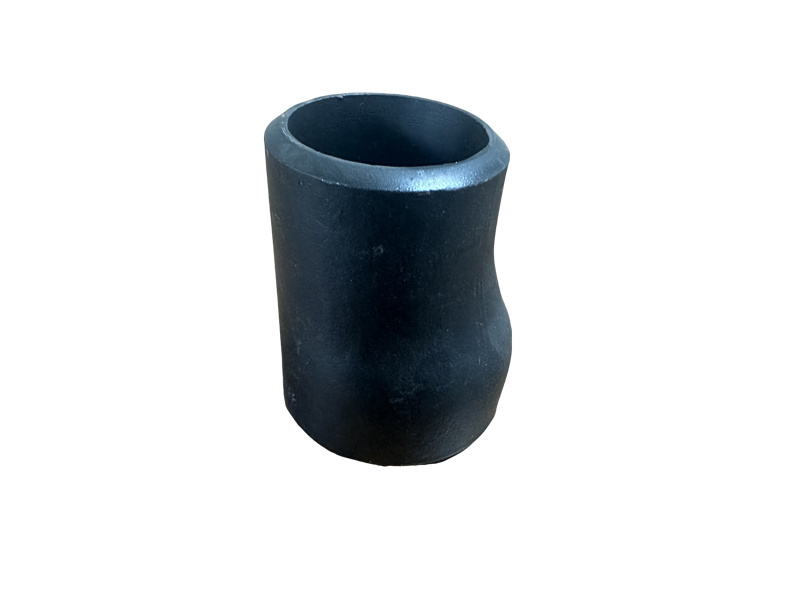
Understanding SS Concentric Reducers: A Critical Component in Pipe Fittings
In the realm of construction and decorative materials, particularly when it comes to pipe fittings, the SS concentric reducer stands out as a vital component. This type of fitting plays a crucial role in the efficient management of fluid flow in piping systems by facilitating the transition between pipes of different diameters. A concentric reducer is designed to connect two pipes with varying dia
02 Dec,2025
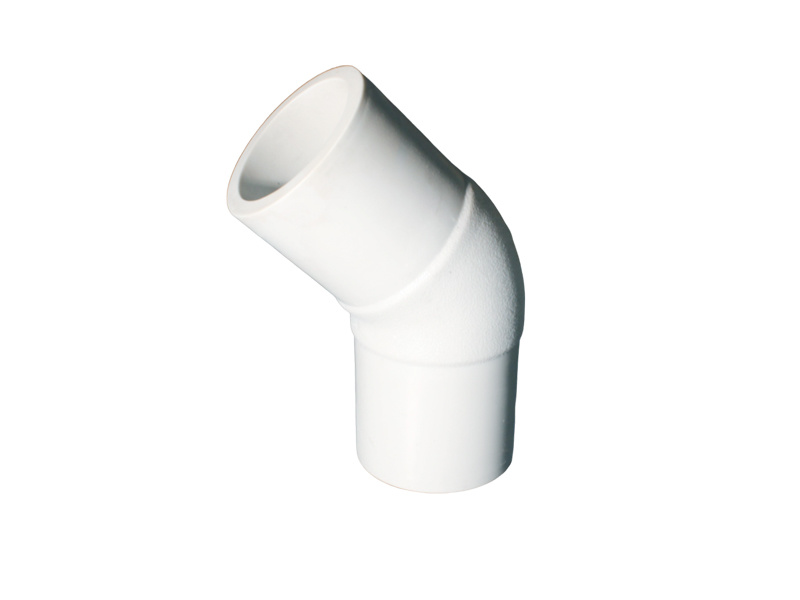
A Comprehensive Guide to Concentric Pipe Fittings: What You Need to Know
A Comprehensive Guide to Concentric Pipe Fittings: What You Need to Know Table of Contents Introduction to Concentric Pipe Fittings What Are Concentric Pipe Fittings? Types of Concentric Pipe Fittings Concentric Elbows Concentric Tees Concentric Reducers Applications of Concentric Pipe Fittings Choosing the Right Materials
30 Nov,2025
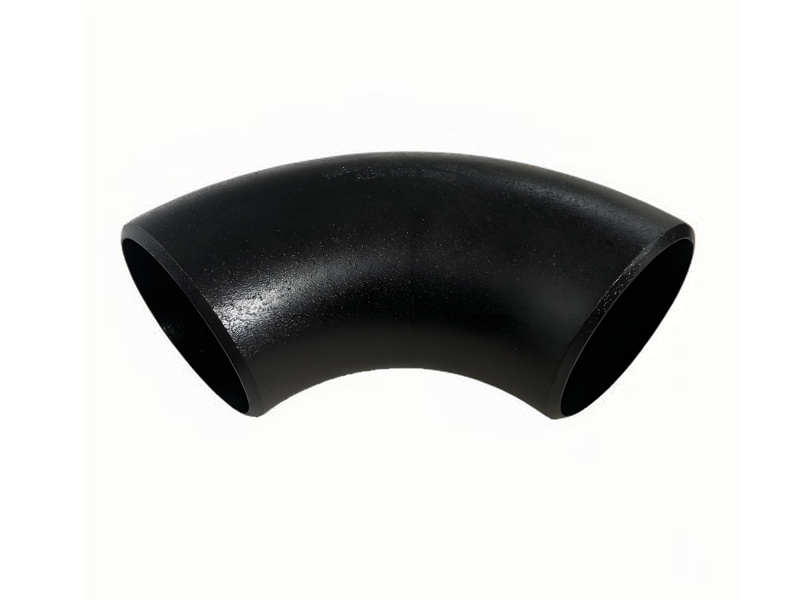
Understanding Forged Steel Elbows: Key Insights for Industry Professionals
Forged steel elbows are critical components in piping systems, particularly in construction and decorative applications where durability and reliability are paramount. These fittings are designed to change the direction of pipe runs, typically at angles of 45 or 90 degrees, effectively managing the flow of fluids or gases through the systems. The manufacturing process involves shaping steel under


Contact information
Address: North Ring Industrial Zone, Mengcun County
Telephone: 86 0317- 6729218 86 0317-6727320
Fax: 0317-6727310
mobile phone: 86 13833761688whatsapp: 86-13780271039
Email: shengyuanflange@163.comLeave Message