

-
Why GOST Slip-On Flanges Are Essential for Your Next Project
Date:
18 Jun,2025
Why GOST Slip-On Flanges Are Essential for Your Next Project Table of Contents Introduction to GOST Slip-On Flanges What Are GOST Slip-On Flanges? Benefits of Using GOST Slip-On Flanges Cost-Effectiveness Ease of Installation Versatility Across Applications Applications of GOST Slip-On Flanges in Various Industries Installa
Why GOST Slip-On Flanges Are Essential for Your Next Project
Table of Contents
- Introduction to GOST Slip-On Flanges
- What Are GOST Slip-On Flanges?
- Benefits of Using GOST Slip-On Flanges
- Applications of GOST Slip-On Flanges in Various Industries
- Installation Process of GOST Slip-On Flanges
- Maintaining GOST Slip-On Flanges for Longevity
- Common Issues and Solutions
- Frequently Asked Questions (FAQs)
- Conclusion
Introduction to GOST Slip-On Flanges
In the world of construction and industrial applications, the **importance of reliable and robust materials** cannot be overstated. Among these essential components are GOST Slip-On Flanges, known for their significant role in ensuring secure and leak-proof connections in piping systems. This article aims to delve into the critical aspects of GOST Slip-On Flanges, highlighting why they are crucial for your next project.
What Are GOST Slip-On Flanges?
GOST Slip-On Flanges are a type of flange designed according to the **GOST (Russian State Standard)** specifications. These flanges are characterized by their unique design that allows them to slip over the end of a pipe and are secured in place by welding. This design feature makes them particularly advantageous for various applications in both residential and industrial settings.
GOST Slip-On Flanges come in a variety of materials including carbon steel, stainless steel, and alloy steel, catering to different environmental conditions and project requirements.
Benefits of Using GOST Slip-On Flanges
Cost-Effectiveness
One of the primary advantages of GOST Slip-On Flanges is their **cost-effectiveness**. Compared to other types of flanges, they require less material and are often less expensive to manufacture and install. This can lead to substantial savings, especially in large-scale projects where thousands of flanges may be required.
Ease of Installation
The **ease of installation** is another significant benefit of GOST Slip-On Flanges. Since they simply slide over the pipe, they can be quickly fitted into place, significantly reducing installation time. This is particularly beneficial in time-sensitive projects where efficiency is crucial.
Versatility Across Applications
GOST Slip-On Flanges are incredibly versatile and can be used in a wide range of applications. From water supply systems to chemical processing plants, their design accommodates various environments and operational demands. Their adaptability makes them a go-to choice for many engineers and contractors.
Applications of GOST Slip-On Flanges in Various Industries
GOST Slip-On Flanges find application in numerous sectors, including:
1. **Oil and Gas Industry**: Used for connecting pipes in refineries and drilling operations.
2. **Chemical Processing**: Essential in piping systems that handle corrosive substances.
3. **Water Treatment Plants**: Utilized in systems for the transportation and treatment of water.
4. **HVAC Systems**: Commonly employed in heating, ventilation, and air conditioning applications.
Their robust design and reliability make them a favorite among engineers across these industries.
Installation Process of GOST Slip-On Flanges
Installing GOST Slip-On Flanges requires careful planning and execution to ensure a secure and leak-proof fit.
Preparation Steps
Before installation, it’s crucial to prepare the surfaces of the pipe and the flange. Ensure that both surfaces are clean, free from rust, and smooth. Any debris or imperfections can compromise the integrity of the connection.
Next, align the flange with the pipe, ensuring that it fits snugly. Proper alignment is vital for achieving the best results during welding.
Installation Tips for Optimal Performance
1. **Use Proper Filler Material**: Select a filler material compatible with the flange and pipe material to avoid issues like corrosion or weak welds.
2. **Weld from the Inside**: For added strength, weld the flange from the inside of the pipe, ensuring that the weld penetrates deeply enough to create a solid bond.
3. **Inspect the Weld**: After welding, conduct a thorough inspection to ensure that there are no gaps or incomplete welds that could lead to leaks.
By following these tips, you can ensure a robust and reliable installation of GOST Slip-On Flanges.
Maintaining GOST Slip-On Flanges for Longevity
To maximize the lifespan of GOST Slip-On Flanges, regular maintenance is essential. Here are some best practices:
1. **Regular Inspections**: Periodically inspect the flanges for signs of wear, corrosion, or damage.
2. **Cleaning**: Keep the surfaces clean to prevent the buildup of corrosive substances that may degrade the material.
3. **Addressing Leaks Promptly**: If any leaks are detected, address them immediately to prevent further damage and ensure safety.
Routine maintenance can significantly extend the life of your piping system.
Common Issues and Solutions
Even with proper installation and maintenance, issues may arise with GOST Slip-On Flanges.
Dealing with Leaks
Leaks can occur due to improper welding or the use of incompatible materials. If a leak is detected, re-welding might be necessary. Ensure that any rework is executed according to best practices.
Addressing Corrosion
Corrosion is a common problem, especially in environments with harsh chemicals. To combat corrosion, consider using flanges and pipes made from corrosion-resistant materials. Additionally, applying protective coatings can help safeguard against this issue.
Frequently Asked Questions (FAQs)
1. **What are the advantages of using GOST Slip-On Flanges over other types?**
GOST Slip-On Flanges are more cost-effective, simpler to install, and versatile, making them suitable for various applications.
2. **Can GOST Slip-On Flanges be used in high-pressure applications?**
Yes, but ensure that you select the appropriate material and thickness to withstand the pressure requirements.
3. **How do I know if my GOST Slip-On Flanges are installed correctly?**
Proper alignment, thorough welding, and regular inspections can help ensure correct installation.
4. **What materials are GOST Slip-On Flanges made from?**
They are primarily made from carbon steel, stainless steel, or alloy steel, depending on the application requirements.
5. **How can I prevent corrosion in my flanges?**
Using corrosion-resistant materials and regular maintenance can help prevent corrosion in GOST Slip-On Flanges.
Conclusion
GOST Slip-On Flanges play an indispensable role in ensuring the integrity and reliability of various piping systems. Their cost-effectiveness, ease of installation, and versatility make them a preferred choice among engineers and contractors. By understanding their benefits, applications, and maintenance needs, you can make informed decisions that will enhance the success of your next project. Whether you're in the oil and gas industry or managing HVAC installations, GOST Slip-On Flanges can provide the durability and performance you need to achieve your project goals.Related News
04 Dec,2025
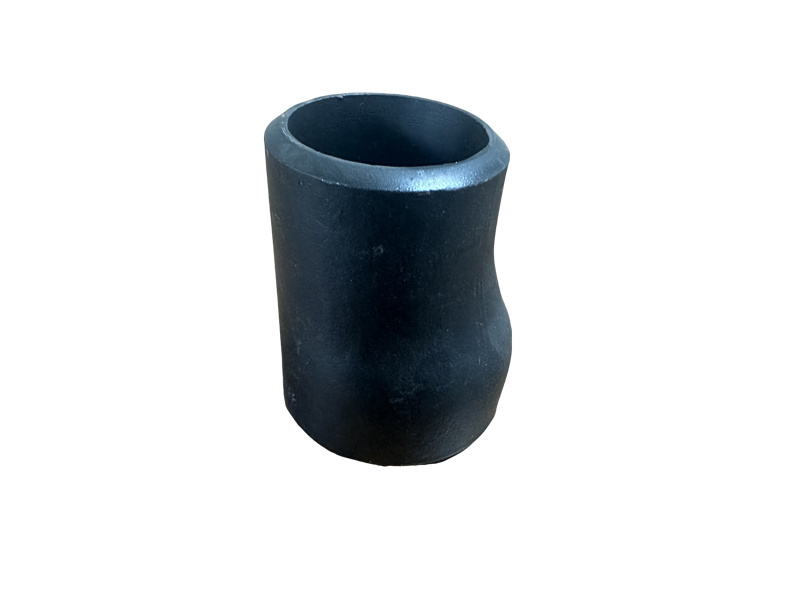
Understanding SS Concentric Reducers: A Critical Component in Pipe Fittings
In the realm of construction and decorative materials, particularly when it comes to pipe fittings, the SS concentric reducer stands out as a vital component. This type of fitting plays a crucial role in the efficient management of fluid flow in piping systems by facilitating the transition between pipes of different diameters. A concentric reducer is designed to connect two pipes with varying dia
02 Dec,2025
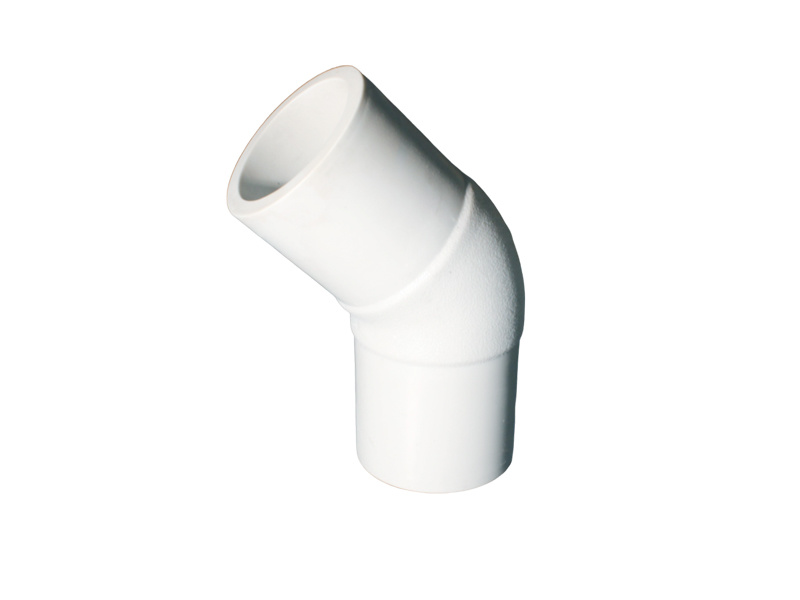
A Comprehensive Guide to Concentric Pipe Fittings: What You Need to Know
A Comprehensive Guide to Concentric Pipe Fittings: What You Need to Know Table of Contents Introduction to Concentric Pipe Fittings What Are Concentric Pipe Fittings? Types of Concentric Pipe Fittings Concentric Elbows Concentric Tees Concentric Reducers Applications of Concentric Pipe Fittings Choosing the Right Materials
30 Nov,2025
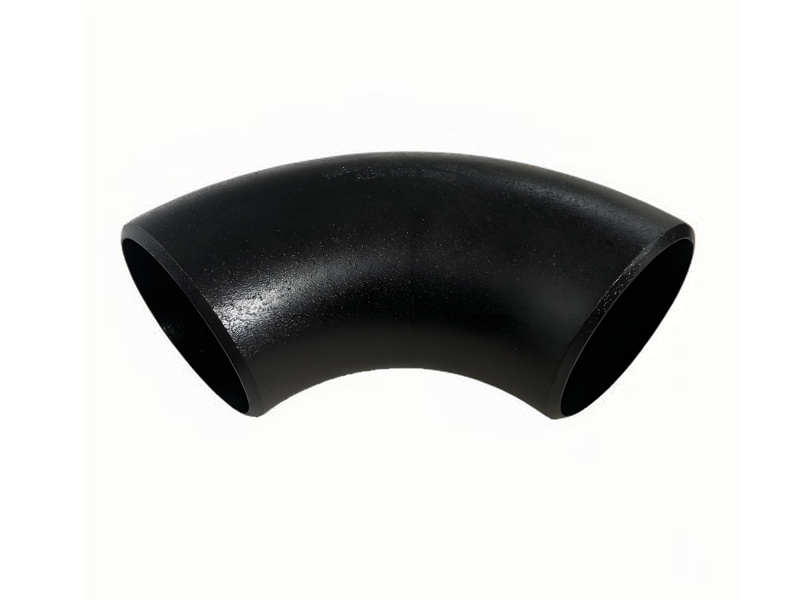
Understanding Forged Steel Elbows: Key Insights for Industry Professionals
Forged steel elbows are critical components in piping systems, particularly in construction and decorative applications where durability and reliability are paramount. These fittings are designed to change the direction of pipe runs, typically at angles of 45 or 90 degrees, effectively managing the flow of fluids or gases through the systems. The manufacturing process involves shaping steel under


Contact information
Address: North Ring Industrial Zone, Mengcun County
Telephone: 86 0317- 6729218 86 0317-6727320
Fax: 0317-6727310
mobile phone: 86 13833761688whatsapp: 86-13780271039
Email: shengyuanflange@163.comLeave Message