

-
Understanding the Importance of JIS 20K Weld Neck Flanges in Construction
Date:
20 Jun,2025
Understanding the Importance of JIS 20K Weld Neck Flanges in Construction Table of Contents 1. Introduction to JIS 20K Weld Neck Flanges 2. Key Design Features of JIS 20K Weld Neck Flanges 3. Material Options for Weld Neck Flanges 4. Common Applications of JIS 20K Weld Neck Flanges in Construction 5. Advantages of Using JIS 20K Weld Neck Flanges 6. Best Practices for Installing JIS 20
Understanding the Importance of JIS 20K Weld Neck Flanges in Construction
Table of Contents
- 1. Introduction to JIS 20K Weld Neck Flanges
- 2. Key Design Features of JIS 20K Weld Neck Flanges
- 3. Material Options for Weld Neck Flanges
- 4. Common Applications of JIS 20K Weld Neck Flanges in Construction
- 5. Advantages of Using JIS 20K Weld Neck Flanges
- 6. Best Practices for Installing JIS 20K Weld Neck Flanges
- 7. Maintenance Tips for Longevity
- 8. Conclusion
- 9. Frequently Asked Questions
1. Introduction to JIS 20K Weld Neck Flanges
In the world of construction and piping systems, the integrity of connections plays a pivotal role in ensuring safety and efficiency. Among the essential components used to create these connections are JIS 20K weld neck flanges. These flanges are designed to provide a robust and reliable interface between pipes, facilitating seamless fluid transfer while withstanding high pressure and temperature conditions. In this article, we will explore the significance of JIS 20K weld neck flanges, examining their design features, applications, and the many advantages they offer in construction projects.
2. Key Design Features of JIS 20K Weld Neck Flanges
Weld neck flanges are readily distinguishable by their unique design, which includes a long tapered neck. This design facilitates a smooth transition between the flange and pipe, reducing stress concentrations that can lead to failures. Key design features include:
2.1 Tapered Neck for Enhanced Strength
The tapered neck of a JIS 20K weld neck flange contributes to its ability to handle high-pressure environments. This neck can accommodate various pipe sizes and thicknesses, allowing for versatility in construction applications.
2.2 Face Types
JIS 20K weld neck flanges come in several face types, including raised face, flat face, and ring type joint. Each type serves specific purposes, depending on the application requirements and the materials used.
2.3 Bolt Hole Pattern
The bolt hole pattern of these flanges is designed to ensure a secure fit with corresponding pipes. The arrangement and size of the holes are critical in maintaining the integrity of the connection.
3. Material Options for Weld Neck Flanges
The materials used in the fabrication of JIS 20K weld neck flanges are crucial for their performance and longevity. Common materials include:
3.1 Carbon Steel
Carbon steel is widely used due to its excellent strength and durability. It is ideal for applications involving moderate pressure and temperature.
3.2 Stainless Steel
Stainless steel versions offer corrosion resistance, making them suitable for environments that involve exposure to moisture or chemicals. This material is often preferred in industries such as petrochemical and food processing.
3.3 Alloy Steel
Alloy steel flanges are designed to withstand extreme temperatures and pressures, making them essential in high-stress applications, such as power generation.
4. Common Applications of JIS 20K Weld Neck Flanges in Construction
JIS 20K weld neck flanges find extensive use in various applications across the construction industry. Some notable applications include:
4.1 Piping Systems
In industrial piping systems, JIS 20K weld neck flanges are used to connect pipes, valves, and other equipment, ensuring a leak-proof joint that can withstand high pressures.
4.2 Oil and Gas Industry
The oil and gas sector relies heavily on weld neck flanges for connecting pipelines that transport crude oil, natural gas, and other critical resources.
4.3 Water Treatment Facilities
Water treatment facilities utilize JIS 20K weld neck flanges for their durability and reliability in environments that require high levels of sanitation and pressure control.
5. Advantages of Using JIS 20K Weld Neck Flanges
The use of JIS 20K weld neck flanges offers several advantages that make them a preferred choice for construction projects:
5.1 Enhanced Structural Integrity
Weld neck flanges provide a robust connection that minimizes the risk of leaks and failures, ensuring the reliability of the entire piping system.
5.2 Ease of Installation
The design of JIS 20K weld neck flanges allows for straightforward installation procedures, which can reduce labor costs and improve project timelines.
5.3 Versatility
These flanges can be used across various industries and in a wide range of applications, making them a versatile choice for construction professionals.
5.4 Resistance to Corrosion
When crafted from stainless steel or alloy materials, JIS 20K weld neck flanges resist corrosion, contributing to the longevity of the installation.
6. Best Practices for Installing JIS 20K Weld Neck Flanges
Proper installation of JIS 20K weld neck flanges is crucial for ensuring their effectiveness in construction applications. Here are best practices to follow:
6.1 Surface Preparation
Before installation, both the flange and pipe surfaces must be cleaned and prepared to ensure a secure weld. Removing any contaminants is vital for achieving a strong bond.
6.2 Alignment
Proper alignment during installation ensures that the flange fits correctly with the pipe. Misalignment can lead to stress and eventual failure.
6.3 Welding Techniques
Utilizing the correct welding techniques, such as TIG or MIG welding, can greatly affect the quality of the joint. Skilled welders should be employed to ensure high-quality installation.
6.4 Inspection
After installation, inspecting the welds and flange connections is critical. Regular inspections can identify potential issues before they escalate into serious problems.
7. Maintenance Tips for Longevity
To maximize the lifespan of JIS 20K weld neck flanges, implementing a maintenance routine is essential. Key maintenance tips include:
7.1 Regular Inspections
Conducting frequent inspections of the connections can help detect any signs of wear or damage, allowing for timely repairs.
7.2 Cleaning
Keeping flanges clean from debris and corrosive substances will help maintain their integrity and performance.
7.3 Monitoring Pressure Levels
Regularly checking pressure levels in the piping system can prevent undue stress on flanges and ensure they operate within safe limits.
8. Conclusion
Understanding the importance of JIS 20K weld neck flanges in construction is crucial for industry professionals. Their unique design, material versatility, and strength make them an indispensable component in various applications. By adhering to best practices for installation and maintenance, construction teams can enhance the durability and reliability of their piping systems, ultimately leading to safer and more efficient operation. As we forge ahead in the construction industry, the significance of high-quality flanges like the JIS 20K cannot be overstated, underpinning the very infrastructure that supports our modern world.
9. Frequently Asked Questions
9.1 What is the primary purpose of a JIS 20K weld neck flange?
The primary purpose of a JIS 20K weld neck flange is to create a robust connection between pipes in high-pressure applications, ensuring a secure and leak-proof joint.
9.2 How do I determine the right material for my weld neck flanges?
The right material depends on the operating environment and specific application requirements, with options like carbon steel, stainless steel, or alloy steel available.
9.3 What are the common industries that utilize JIS 20K weld neck flanges?
Common industries include oil and gas, water treatment, chemical processing, and various manufacturing sectors.
9.4 How can I ensure the longevity of my weld neck flanges?
Regular inspections, proper cleaning, and adherence to installation protocols can significantly extend the lifespan of weld neck flanges.
9.5 Are JIS 20K weld neck flanges suitable for all types of piping systems?
While JIS 20K weld neck flanges are versatile, their suitability depends on the specific requirements of the piping system, including pressure, temperature, and material compatibility.Related News
04 Dec,2025
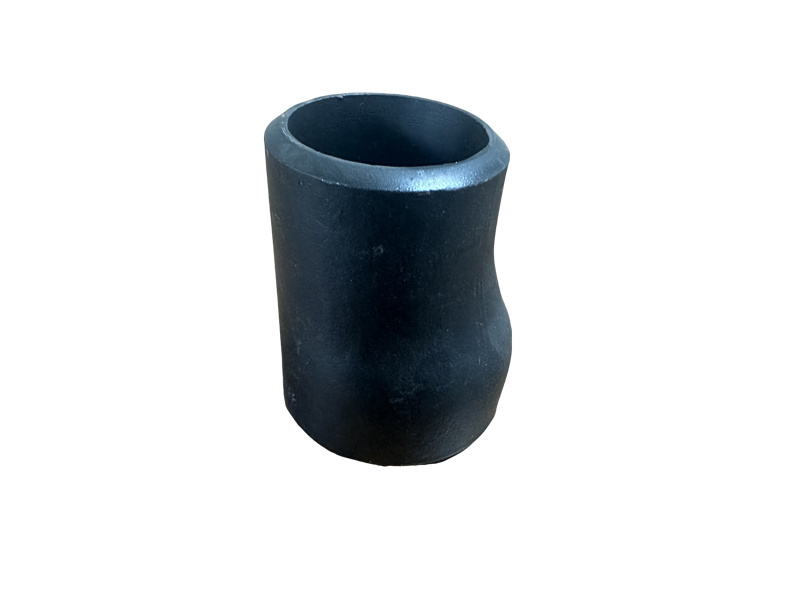
Understanding SS Concentric Reducers: A Critical Component in Pipe Fittings
In the realm of construction and decorative materials, particularly when it comes to pipe fittings, the SS concentric reducer stands out as a vital component. This type of fitting plays a crucial role in the efficient management of fluid flow in piping systems by facilitating the transition between pipes of different diameters. A concentric reducer is designed to connect two pipes with varying dia
02 Dec,2025
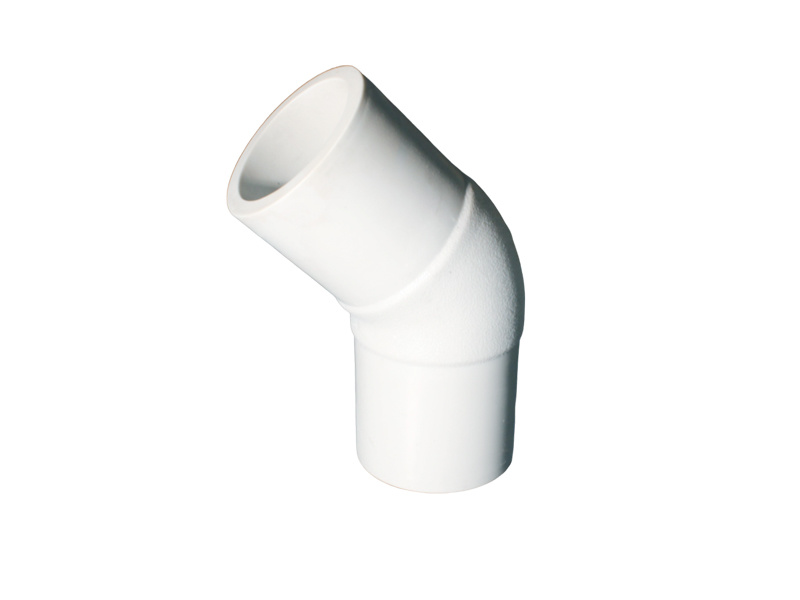
A Comprehensive Guide to Concentric Pipe Fittings: What You Need to Know
A Comprehensive Guide to Concentric Pipe Fittings: What You Need to Know Table of Contents Introduction to Concentric Pipe Fittings What Are Concentric Pipe Fittings? Types of Concentric Pipe Fittings Concentric Elbows Concentric Tees Concentric Reducers Applications of Concentric Pipe Fittings Choosing the Right Materials
30 Nov,2025
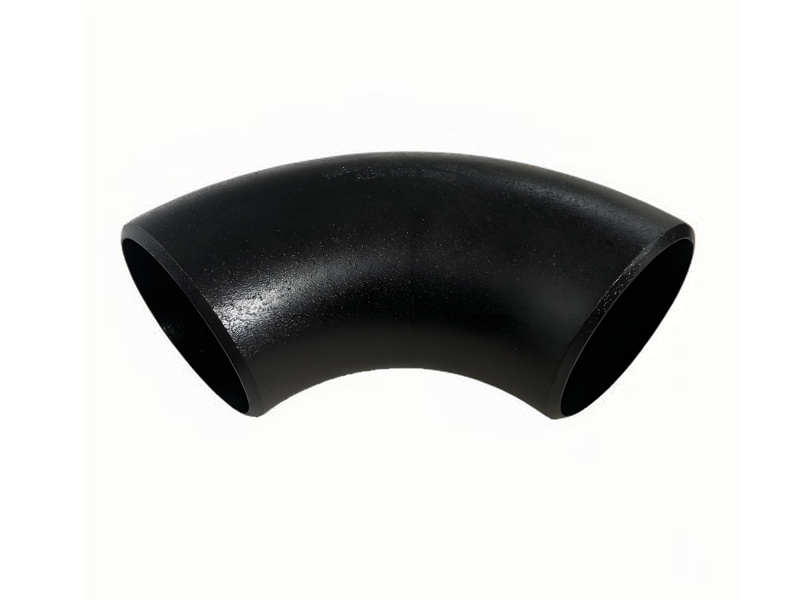
Understanding Forged Steel Elbows: Key Insights for Industry Professionals
Forged steel elbows are critical components in piping systems, particularly in construction and decorative applications where durability and reliability are paramount. These fittings are designed to change the direction of pipe runs, typically at angles of 45 or 90 degrees, effectively managing the flow of fluids or gases through the systems. The manufacturing process involves shaping steel under


Contact information
Address: North Ring Industrial Zone, Mengcun County
Telephone: 86 0317- 6729218 86 0317-6727320
Fax: 0317-6727310
mobile phone: 86 13833761688whatsapp: 86-13780271039
Email: shengyuanflange@163.comLeave Message