

-
Understanding DIN Weld Neck Flange PN40: A Key Component in Construction and Decoration
Date:
25 Jul,2025
In the realm of construction and decorative materials, the DIN weld neck flange PN40 is a critical component that ensures robust connectivity and safety in piping systems. This type of flange is designed according to the German Institute for Standardization (DIN) standards and is categorized under pressure rating PN40, indicating its capability to handle high pressures. A weld neck flange is chara
In the realm of construction and decorative materials, the DIN weld neck flange PN40 is a critical component that ensures robust connectivity and safety in piping systems. This type of flange is designed according to the German Institute for Standardization (DIN) standards and is categorized under pressure rating PN40, indicating its capability to handle high pressures.
A weld neck flange is characterized by its long neck that gradually tapers to the flange’s rim. This design provides several advantages, making it a preferred choice for many piping applications. The long neck allows for proper alignment and reduces the risk of stress concentration at the flange joint, which can occur in shorter flanges. As such, weld neck flanges are commonly used in high-pressure and high-temperature environments where reliability and durability are paramount.
One of the key benefits of the DIN weld neck flange PN40 is its compatibility with various piping materials and sizes. This flexibility makes it suitable for use in a wide range of applications, from industrial plants to residential plumbing systems. Additionally, the flange can be readily welded to pipes, ensuring a strong, leak-proof connection that is essential in maintaining the integrity of the entire system.
When selecting a DIN weld neck flange PN40, several factors should be considered. First, it is crucial to match the flange size and pressure rating with the connecting pipe. This ensures that the entire system can withstand the operational pressures without risk of failure. Furthermore, attention should be paid to the materials used in the flange construction. Common materials include carbon steel, stainless steel, and alloy steel, each offering different benefits in terms of corrosion resistance and strength.
Installation of a DIN weld neck flange requires skilled labor to ensure proper welding techniques are applied. It is vital to follow best practices during installation to prevent any issues that could compromise the system's performance. Regular inspection and maintenance are also recommended to identify and rectify any potential problems before they escalate.
In conclusion, the DIN weld neck flange PN40 is an essential component in the construction and decoration materials industry, offering robust solutions for various piping applications. Understanding its design, benefits, and installation requirements can significantly enhance the safety and efficiency of piping systems. Professionals in the field should prioritize selecting the right flange for their specific applications to ensure optimal performance and longevity.Related News
04 Dec,2025
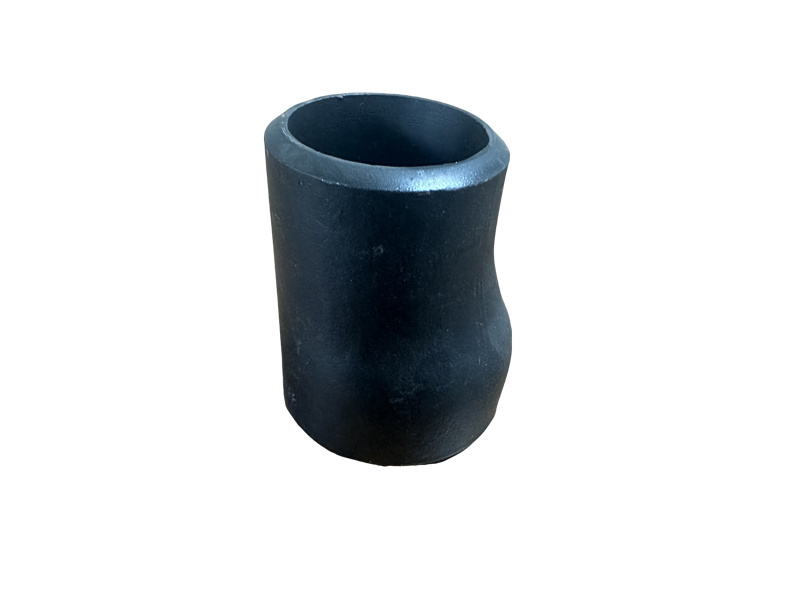
Understanding SS Concentric Reducers: A Critical Component in Pipe Fittings
In the realm of construction and decorative materials, particularly when it comes to pipe fittings, the SS concentric reducer stands out as a vital component. This type of fitting plays a crucial role in the efficient management of fluid flow in piping systems by facilitating the transition between pipes of different diameters. A concentric reducer is designed to connect two pipes with varying dia
02 Dec,2025
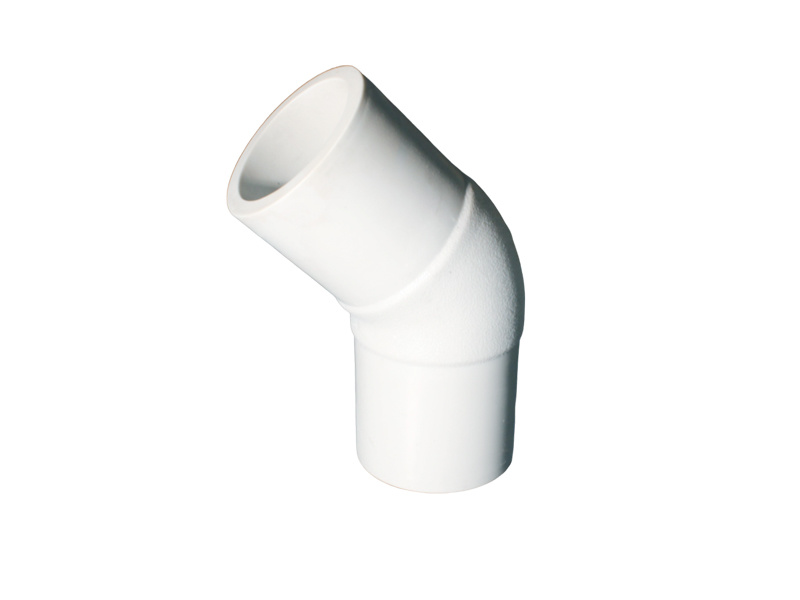
A Comprehensive Guide to Concentric Pipe Fittings: What You Need to Know
A Comprehensive Guide to Concentric Pipe Fittings: What You Need to Know Table of Contents Introduction to Concentric Pipe Fittings What Are Concentric Pipe Fittings? Types of Concentric Pipe Fittings Concentric Elbows Concentric Tees Concentric Reducers Applications of Concentric Pipe Fittings Choosing the Right Materials
30 Nov,2025
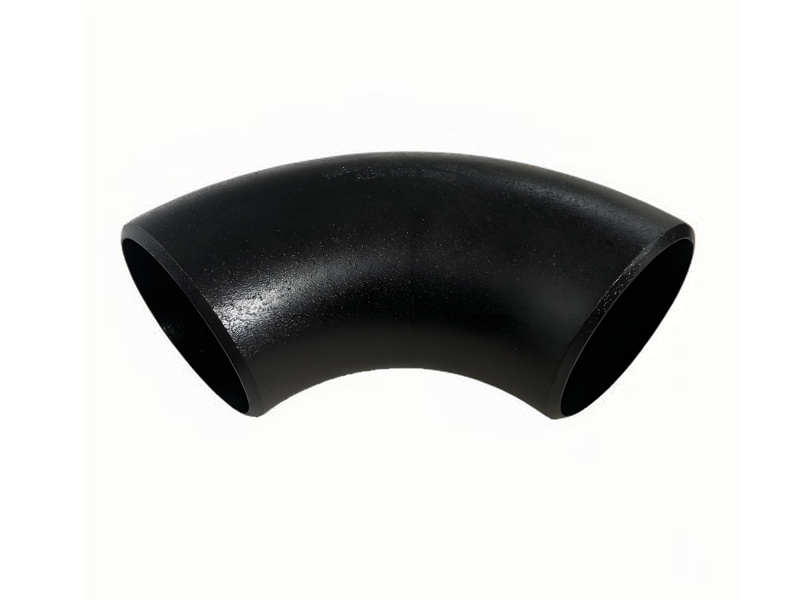
Understanding Forged Steel Elbows: Key Insights for Industry Professionals
Forged steel elbows are critical components in piping systems, particularly in construction and decorative applications where durability and reliability are paramount. These fittings are designed to change the direction of pipe runs, typically at angles of 45 or 90 degrees, effectively managing the flow of fluids or gases through the systems. The manufacturing process involves shaping steel under


Contact information
Address: North Ring Industrial Zone, Mengcun County
Telephone: 86 0317- 6729218 86 0317-6727320
Fax: 0317-6727310
mobile phone: 86 13833761688whatsapp: 86-13780271039
Email: shengyuanflange@163.comLeave Message