

-
Why Forged Steel Elbows Are Essential in Construction Projects
Date:
26 Jul,2025
Why Forged Steel Elbows Are Essential in Construction Projects Table of Contents 1. Introduction to Forged Steel Elbows 2. The Importance of Forged Steel Elbows in Construction 3. Types of Forged Steel Elbows 3.1 90-Degree Elbows 3.2 45-Degree Elbows 3.3 Other Types of Elbows 4. Advantages of Using Forged Steel Elbows
Why Forged Steel Elbows Are Essential in Construction Projects
Table of Contents
- 1. Introduction to Forged Steel Elbows
- 2. The Importance of Forged Steel Elbows in Construction
- 3. Types of Forged Steel Elbows
- 4. Advantages of Using Forged Steel Elbows
- 5. Applications of Forged Steel Elbows in Construction
- 6. Proper Installation of Forged Steel Elbows
- 7. Maintenance Tips for Forged Steel Elbows
- 8. Conclusion
- 9. FAQs
1. Introduction to Forged Steel Elbows
In the realm of construction and piping systems, **forged steel elbows** play a pivotal role. These fittings are essential for redirecting the flow of liquids and gases through pipes, ensuring that construction projects meet safety and efficiency standards. Unlike their cast counterparts, **forged steel elbows** are crafted through a process that enhances their strength and resilience, making them an ideal choice for various applications.
2. The Importance of Forged Steel Elbows in Construction
The use of **forged steel elbows** is far more than a structural necessity; they embody the principles of reliability and safety in construction projects. With the ability to withstand high pressure and temperature, these fittings are designed to maintain structural integrity, thereby minimizing the risk of leaks or failures during operation. In construction, where project timelines and budgets are often tightly constrained, the reliability of materials plays a crucial role in project success.
3. Types of Forged Steel Elbows
Understanding the different types of **forged steel elbows** is essential for selecting the right fitting for your project. Here are the main varieties:
3.1 90-Degree Elbows
**90-degree elbows** are among the most common types of fittings. They are used to change the direction of the piping system by 90 degrees, allowing for efficient flow management.
3.2 45-Degree Elbows
These elbows are designed to change the direction of flow by 45 degrees. They are often used in applications where a less abrupt change of direction is needed, helping to reduce turbulence and maintain fluid velocity.
3.3 Other Types of Elbows
Beyond the standard 90-degree and 45-degree elbows, there are other variations, including **long-radius elbows** and **short-radius elbows**. Each type serves specific purposes and is selected based on the requirements of the piping system.
4. Advantages of Using Forged Steel Elbows
The selection of **forged steel elbows** over other materials comes with several notable advantages:
4.1 Durability and Strength
Forged steel is known for its exceptional strength, making **forged steel elbows** capable of handling high pressure and extreme temperatures without deforming or failing. This durability ensures that they can endure the rigors of both industrial and commercial applications.
4.2 Corrosion Resistance
Construction projects often expose materials to harsh environments. **Forged steel elbows** can be treated with protective coatings to enhance their resistance to corrosion, thus prolonging their lifespan and reducing maintenance costs.
4.3 Cost-Effectiveness
Though initial costs may be higher than some alternatives, the long-term benefits of using **forged steel elbows** make them a cost-effective choice. Their durability reduces the need for frequent replacements and repairs, ultimately saving money for construction projects over time.
5. Applications of Forged Steel Elbows in Construction
**Forged steel elbows** find applications in a myriad of construction and industrial settings. Some common areas include:
- **Oil and Gas Pipelines**: They are essential in redirecting flow in complex piping systems.
- **Water Supply Systems**: Used for municipal and residential water distribution.
- **HVAC Systems**: In heating and cooling systems, where efficient airflow is critical.
- **Chemical Processing**: For conveying corrosive materials where durability is paramount.
6. Proper Installation of Forged Steel Elbows
The effectiveness of **forged steel elbows** greatly depends on their installation. Proper installation techniques should be followed to ensure a tight seal and optimal performance:
1. **Preparation**: Always ensure the pipe ends are clean and free of debris.
2. **Alignment**: Carefully align the elbow with the adjoining pipes to avoid stress on the fittings.
3. **Welding or Threading**: Depending on the application, either weld or thread the elbow securely to the pipes.
4. **Testing**: After installation, conduct pressure tests to verify the integrity of the connections.
7. Maintenance Tips for Forged Steel Elbows
To ensure the longevity of **forged steel elbows**, routine maintenance is advised. Here are a few tips:
- **Regular Inspections**: Check for signs of wear, corrosion, or leaks.
- **Cleaning**: Remove any accumulated debris that may hinder performance.
- **Pressure Testing**: Conduct periodic tests to detect weaknesses early.
8. Conclusion
In summary, **forged steel elbows** are integral components in construction projects, providing unmatched durability, reliability, and efficiency. Their various types and applications make them versatile solutions for piping systems across multiple industries. By understanding their advantages and implementing proper installation and maintenance practices, construction professionals can ensure the success and longevity of their projects.
9. FAQs
1. What is the difference between forged and cast elbows?
Forged elbows are made from solid steel and have higher strength and durability than cast elbows, which are made by pouring molten metal into a mold.
2. Can forged steel elbows be used in high-temperature applications?
Yes, forged steel elbows are designed to withstand high temperatures and are commonly used in applications that involve heat.
3. How do I know which type of elbow to use for my project?
The type of elbow to use depends on the required angle of turn (e.g., 90 degrees or 45 degrees) and the specifics of your piping layout.
4. Are forged steel elbows resistant to corrosion?
Yes, forged steel elbows can be treated with coatings to enhance their resistance to corrosion, making them suitable for various environments.
5. What are the common materials used for forged steel elbows?
Common materials include carbon steel, stainless steel, and alloy steel, each chosen based on the specific demands of the application.Related News
04 Dec,2025
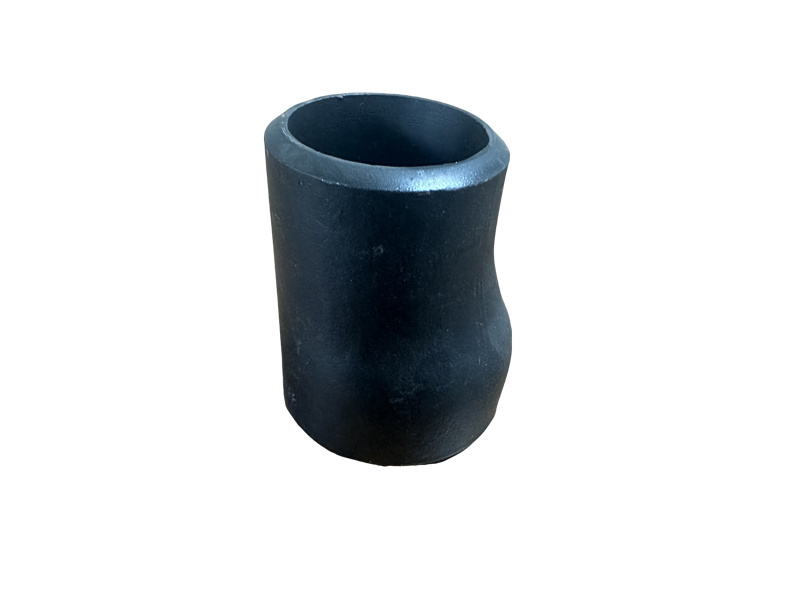
Understanding SS Concentric Reducers: A Critical Component in Pipe Fittings
In the realm of construction and decorative materials, particularly when it comes to pipe fittings, the SS concentric reducer stands out as a vital component. This type of fitting plays a crucial role in the efficient management of fluid flow in piping systems by facilitating the transition between pipes of different diameters. A concentric reducer is designed to connect two pipes with varying dia
02 Dec,2025
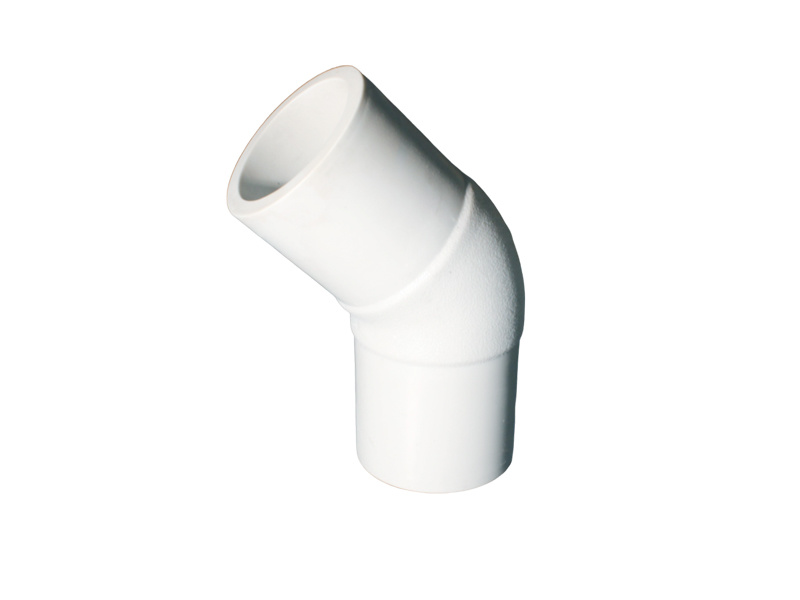
A Comprehensive Guide to Concentric Pipe Fittings: What You Need to Know
A Comprehensive Guide to Concentric Pipe Fittings: What You Need to Know Table of Contents Introduction to Concentric Pipe Fittings What Are Concentric Pipe Fittings? Types of Concentric Pipe Fittings Concentric Elbows Concentric Tees Concentric Reducers Applications of Concentric Pipe Fittings Choosing the Right Materials
30 Nov,2025
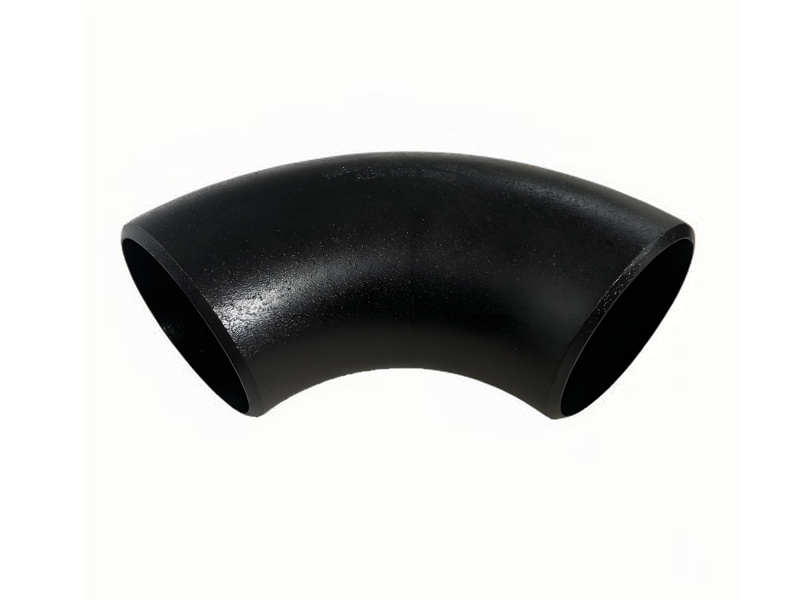
Understanding Forged Steel Elbows: Key Insights for Industry Professionals
Forged steel elbows are critical components in piping systems, particularly in construction and decorative applications where durability and reliability are paramount. These fittings are designed to change the direction of pipe runs, typically at angles of 45 or 90 degrees, effectively managing the flow of fluids or gases through the systems. The manufacturing process involves shaping steel under


Contact information
Address: North Ring Industrial Zone, Mengcun County
Telephone: 86 0317- 6729218 86 0317-6727320
Fax: 0317-6727310
mobile phone: 86 13833761688whatsapp: 86-13780271039
Email: shengyuanflange@163.comLeave Message