

-
Understanding GOST Slip-On Flange Standards in Russia: An In-Depth Guide
Date:
14 Dec,2025
Understanding GOST Slip-On Flange Standards in Russia In the realm of construction and decorative materials, particularly when dealing with piping systems, GOST Slip-On Flanges play a crucial role. As industries continue to evolve, understanding these standards becomes more significant, especially in the Russian market. This article delves into the intricate details of GOST Slip-On Flange standard
Understanding GOST Slip-On Flange Standards in Russia
In the realm of construction and decorative materials, particularly when dealing with piping systems, GOST Slip-On Flanges play a crucial role. As industries continue to evolve, understanding these standards becomes more significant, especially in the Russian market. This article delves into the intricate details of GOST Slip-On Flange standards, providing insights that will equip professionals with the knowledge they need to make informed decisions.
What are GOST Slip-On Flanges?
GOST Slip-On Flanges are designed to be fitted over the pipe's end and are then welded in place. This design offers several advantages, including ease of installation, cost-effectiveness, and versatility in various piping applications. The GOST (Gosudarstvennyy Standart) standards governing these flanges ensure that they meet specific quality and performance requirements, particularly for use in the Russian Federation.
The Importance of GOST Standards
GOST standards serve as a benchmark for quality and safety in various industries, including construction, manufacturing, and engineering. By adhering to these standards, manufacturers can guarantee that their products meet the necessary statutory requirements, enhancing safety and performance.
Applications of GOST Slip-On Flanges
GOST Slip-On Flanges are widely used in various industries, including:
- **Oil and Gas**: Used for connecting pipelines, accommodating thermal expansion and contraction.
- **Water Supply Systems**: Ideal for municipal water systems where reliability is crucial.
- **Chemical Processing**: Ensuring safety in applications involving corrosive substances.
- **Construction Projects**: Essential in building infrastructure that requires robust piping solutions.
Specifications of GOST Slip-On Flanges
When discussing GOST Slip-On Flanges, it's vital to understand their specifications. These include:
- **Dimensions**: GOST standards outline the dimensions that these flanges must adhere to, ensuring compatibility with pipes and other fittings.
- **Material Standards**: Typically made from carbon steel, stainless steel, or other alloys, the material used must comply with GOST specifications for strength and durability.
- **Pressure Ratings**: Different flanges are rated for various pressure levels, allowing professionals to select the appropriate flange for their specific application.
Comparing GOST Slip-On Flanges with Other Flange Types
Understanding how GOST Slip-On Flanges compare to other flange types is essential for making informed choices. Here’s a brief comparison:
- **Weld Neck Flanges**: While offering excellent strength for high-pressure applications, they are more complex to install compared to slip-on flanges, which are easier and faster to position.
- **Blind Flanges**: Used to seal off piping systems, they serve a different function compared to slip-on flanges, making them less versatile.
- **Socket Weld Flanges**: Like slip-on flanges, they are also designed for easier installation but provide a stronger connection due to the socket weld feature.
Advantages of Using GOST Slip-On Flanges
Opting for GOST Slip-On Flanges comes with multiple benefits:
1. **Ease of Installation**: Their design allows for straightforward installation, which can save time and labor costs.
2. **Cost-Effectiveness**: Generally, slip-on flanges are less expensive than other types due to their simpler manufacturing process.
3. **Versatile Applications**: Suitable for various industries, making them a reliable choice for many projects.
Compliance and Certification of GOST Slip-On Flanges
To ensure quality assurance, manufacturers must adhere to GOST certification processes. Compliance involves thorough testing and documentation, which verifies that the flanges meet the necessary operational standards.
Quality Control Measures in GOST Standards
Quality control is a critical aspect of producing GOST Slip-On Flanges. Here are some measures usually implemented:
- **Material Testing**: Before production, raw materials undergo rigorous testing to confirm they meet the specified GOST requirements.
- **Dimensional Accuracy**: Each flange is inspected to ensure that it adheres to the standardized dimensions.
- **Performance Testing**: Flanges are subjected to pressure and stress tests to verify their durability and reliability under operational conditions.
Choosing the Right GOST Slip-On Flange
Selecting the appropriate GOST Slip-On Flange for a project requires careful consideration of several factors:
- **Pipe Size and Type**: Ensure the flange matches the pipe's dimensions and material.
- **Operating Conditions**: Understand the pressure and temperature conditions under which the flange will operate to select the most suitable type.
- **Industry Standards**: Be aware of specific industry regulations that may dictate the use of certain standards.
Frequently Asked Questions
1. What is the primary difference between GOST Slip-On and Weld Neck Flanges?
The primary difference lies in their installation and strength. Weld neck flanges provide a stronger connection for high-pressure applications, whereas slip-on flanges are easier and quicker to install.
2. Are GOST Slip-On Flanges suitable for high-pressure applications?
While they can be used in moderate pressure applications, for high-pressure situations, weld neck flanges are typically recommended due to their superior strength.
3. How can I ensure that the GOST Slip-On Flanges I purchase are compliant?
Look for certification from the manufacturer indicating compliance with GOST standards, and ensure that they can provide documentation for quality assurance.
4. What materials are commonly used for GOST Slip-On Flanges?
Common materials include carbon steel, stainless steel, and alloy steels, all of which must meet GOST specifications for durability and performance.
5. Can GOST Slip-On Flanges be used in corrosive environments?
Yes, provided that the correct materials are used (such as stainless steel or specially treated alloys) that can withstand corrosive conditions.
Conclusion
In conclusion, understanding GOST Slip-On Flange standards in Russia is critical for professionals involved in construction and piping systems. By familiarizing ourselves with the specifications, advantages, applications, and compliance requirements of these flanges, we are better prepared to make informed decisions that ensure the safety and reliability of our projects. As industries grow and evolve, staying informed about these standards will be essential for maintaining quality and efficiency in our work.Related News
16 Dec,2025
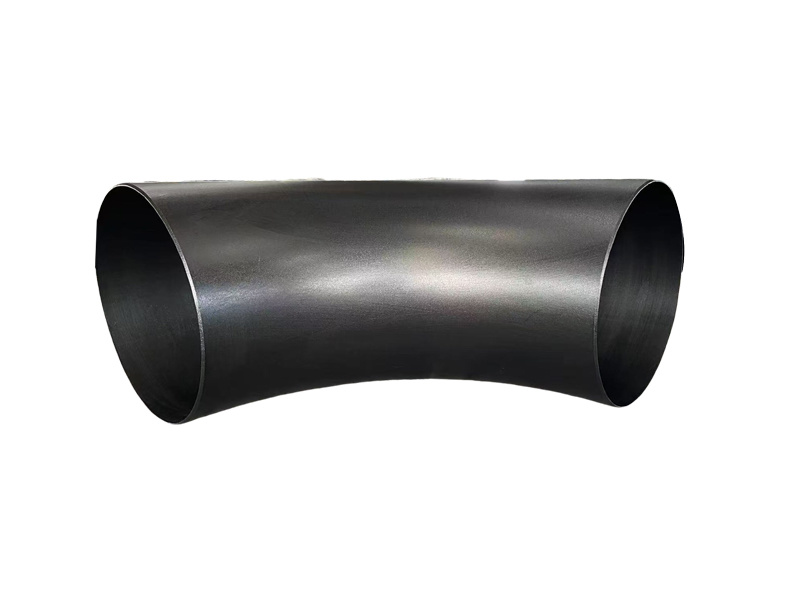
The Essential Guide to Forged Steel Elbows in Construction and Decoration
In the realm of construction and decorative materials, the use of forged steel elbows is vital for enabling efficient and effective piping systems. Forged steel elbows, specifically designed to change the direction of piping, are critical components in a variety of applications, ranging from industrial settings to residential projects. Understanding the characteristics and benefits of these fittin
14 Dec,2025
Understanding GOST Slip-On Flange Standards in Russia: An In-Depth Guide
Understanding GOST Slip-On Flange Standards in Russia In the realm of construction and decorative materials, particularly when dealing with piping systems, GOST Slip-On Flanges play a crucial role. As industries continue to evolve, understanding these standards becomes more significant, especially in the Russian market. This article delves into the intricate details of GOST Slip-On Flange standard

12 Dec,2025
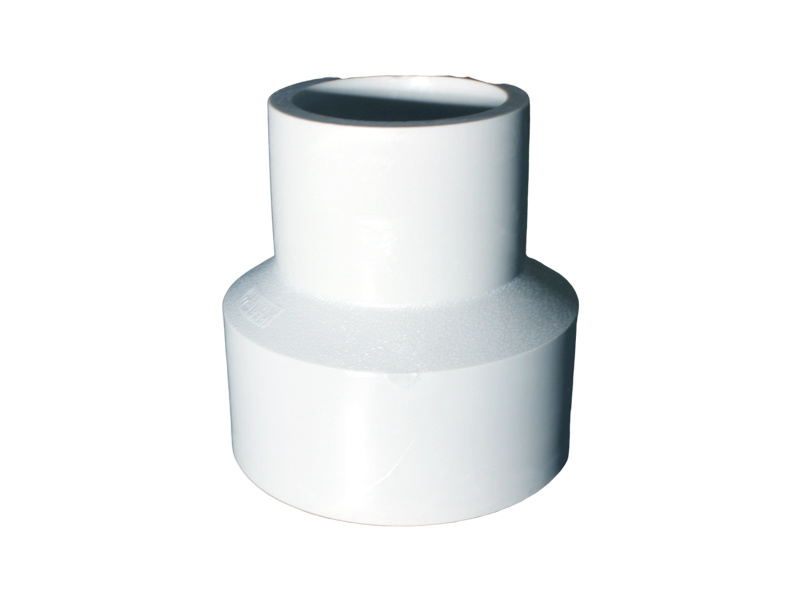
Understanding Concentric Reducers: Essential Components for Efficient Piping Systems
Concentric reducers are vital components in piping systems, particularly in the building and decoration materials industry. These fittings are designed to connect two pipes of different diameters, allowing a seamless transition from a larger diameter to a smaller one, or vice versa. The design of a concentric reducer features a symmetrical shape that maintains the central axis of the pipes, result


Contact information
Address: North Ring Industrial Zone, Mengcun County
Telephone: 86 0317- 6729218 86 0317-6727320
Fax: 0317-6727310
mobile phone: 86 13833761688whatsapp: 86-13780271039
Email: shengyuanflange@163.comLeave Message